

WaterSense fixtures are transforming home water efficiency in 2024, cutting thousands of gallons from utility bills and putting real savings back in homeowners’ pockets. Unlike older fixtures, modern WaterSense certified toilets, faucets, and showerheads deliver strong performance while reducing waste, making them a smart upgrade for eco-conscious families and budget-minded households alike.
Key Takeaways
- WaterSense fixtures save households an average of 13,000 gallons of water and $380 per year over conventional fixtures, according to new 2024 EPA data.
- Upgrading is straightforward—paybacks are often under two years, and modern designs match or outperform older high-flow models.
- Local rebates may reduce costs further, but understanding technical standards and common pitfalls ensures a smooth, lasting installation.
- What Are WaterSense Fixtures and Why Upgrade?
- Step-by-Step Guide to Upgrading to WaterSense Fixtures
- Advanced Analysis & Common Pitfalls
- Conclusion
- FAQ
What Are WaterSense Fixtures and Why Upgrade?
WaterSense fixtures are bathroom plumbing products—such as toilets, faucets, and showerheads—that meet strict EPA standards for water efficiency and performance. These fixtures use at least 20% less water than standard models and must pass independent tests ensuring consistent spray coverage, waste removal, and usability. The not-so-obvious benefit: WaterSense products save real money and prevent unnecessary water waste without the common headaches that plagued early “low flow” designs.
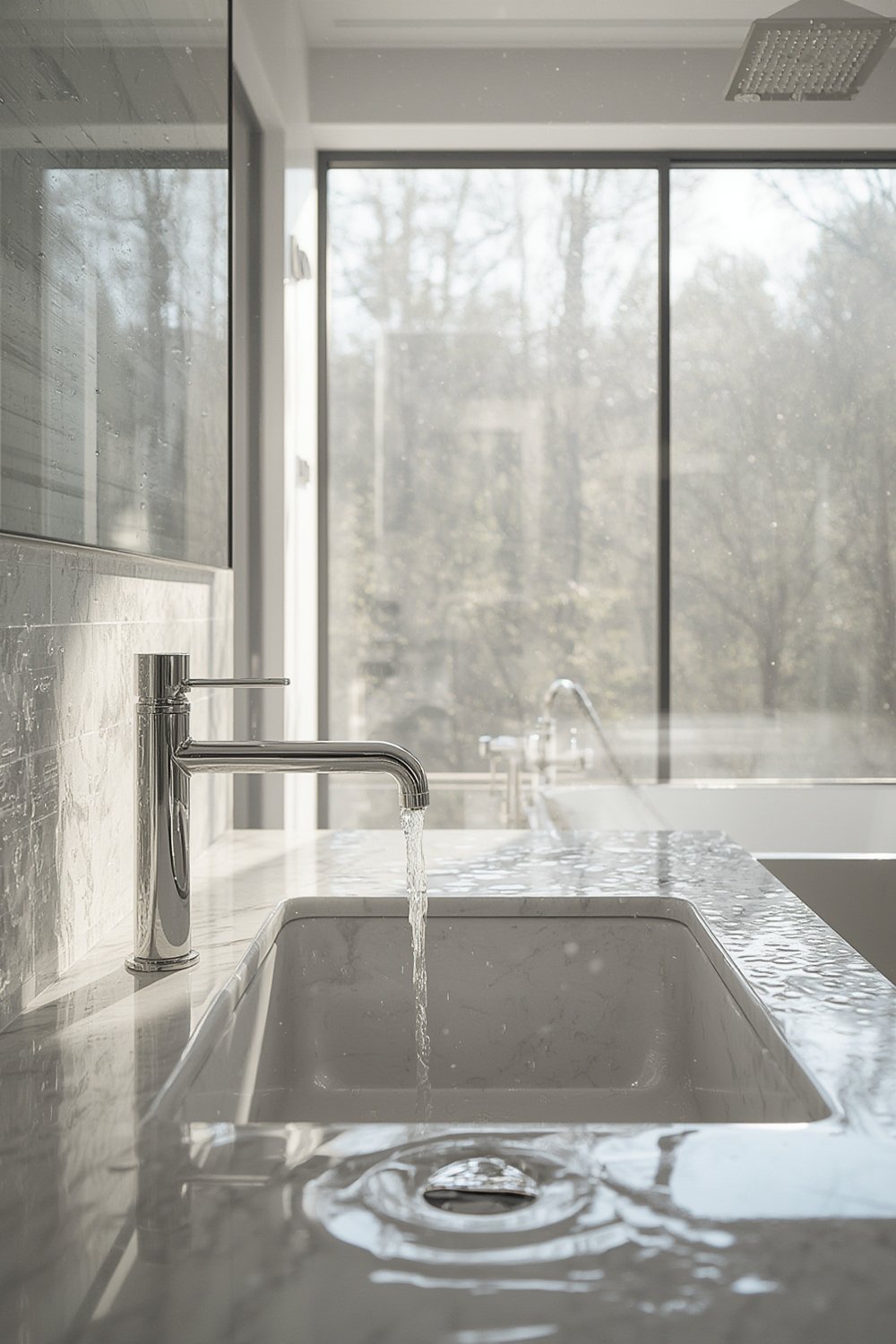
Based on 2024 regulations and utility data, swapping older fixtures for WaterSense certified ones typically saves households around 13,000 gallons of water annually—equivalent to $380 per year in combined water and energy savings. The average family can recoup costs in less than two years, and full-home upgrades near 38,000 gallons saved every year (FieldEdge, EPA WaterSense Current Fall 2024).
For example, new WaterSense showerheads deliver equivalent spray and comfort while saving roughly 2,700 gallons and 310 kWh per year—around $75 off utility bills. Faucets and toilets follow similar patterns but require correct installation and attention to proper standards. Thanks to rigorous certification protocols, performance complaints are rare, and durability now rivals conventional alternatives (EPA WaterSense Current).
Step-by-Step Guide to Upgrading to WaterSense Fixtures
-
Audit Your Current Bathroom Fixtures
Identify your toilets, faucets, and showerheads. Check year of manufacture—pre-1994 fixtures likely use more water. Take note of leaks or any performance issues; leaks multiply savings potential with new installations. -
Research Local Rebates and Utility Programs
Depending on your city, you may qualify for rebates. For instance, Seattle offers up to $100 for replacing toilets over 15 years old with WaterSense-labeled models (Seattle Public Utilities). Programs vary, so check your local government or water provider for current offers (EPA WaterSense Current Fall 2024). -
Select Certified WaterSense Fixtures
Look for the WaterSense label. Confirm the following standards:- Toilets: ≤1.28 gallons per flush. (Both single- and dual-flush full flushes must meet this volume.)
- Showerheads: ≤2.0 gallons per minute at 80 psi.
- Bathroom Faucets: ≤1.5 gallons per minute (2024 code).
Performance is tested for spray coverage and waste removal. Faucet aerators further boost savings without reducing experience.
-
Prepare for Installation (DIY or Pro)
Turn off water supply. For toilets, have a replacement wax ring and basic tools on hand. For faucets and showerheads, use Teflon tape and check installers’ reviews if hiring a professional. -
Install Fixtures and Check for Leaks
Follow manufacturer instructions. After installation, run each fixture and check behind connections for drips. Fix any leaks immediately—10% of US homes waste 90+ gallons per day due to leaks (FieldEdge). -
Claim Rebates and Register Warranties
Submit required documentation and keep manufacturer information for long-term support.
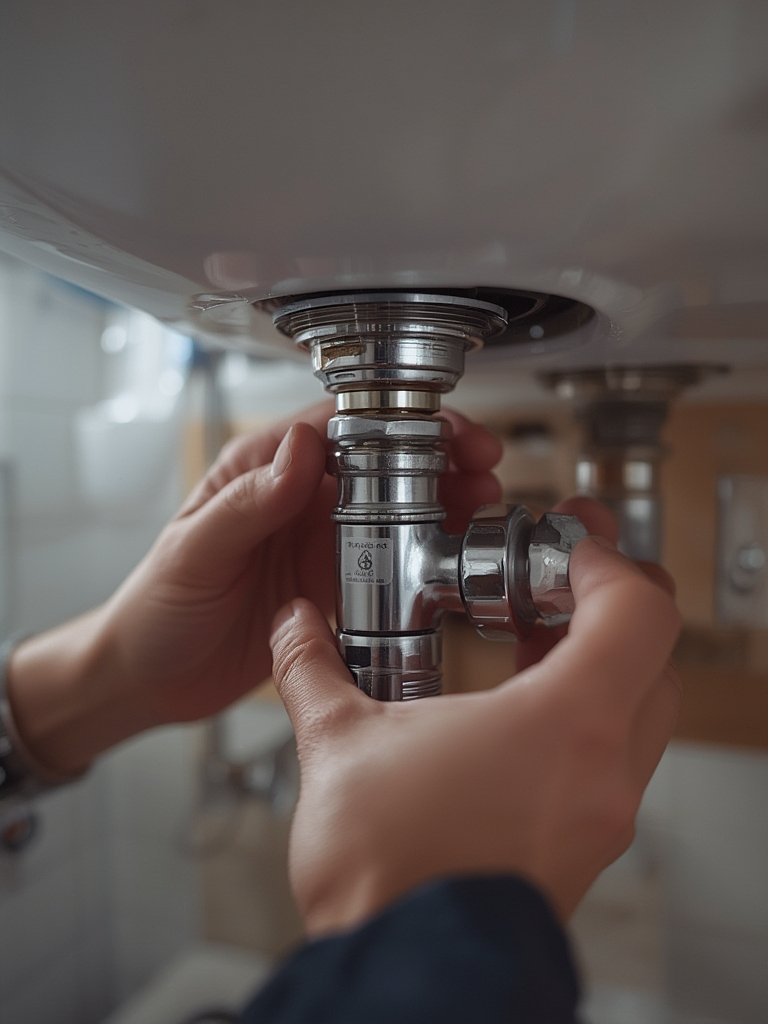
If you’re tackling a full bathroom remodel, consider combining WaterSense fixture upgrades with other efficient appliances, such as a heat pump water heater for maximum water and energy bill reductions. Both strategies have fast payback and compounding savings effects.
Advanced Analysis & Common Pitfalls
Modern WaterSense fixtures are built to minimize typical drawbacks—yet certain issues can undermine both performance and savings if ignored.
- User Error with Dual-Flush Toilets: Recent EPA updates show that dual-flush toilets often confuse users about which button to press. As a result, full flush volume is now standardized (single or dual—1.28 gallons), protecting savings even if users always choose the same button (Working Pressure Mag).
- Ignoring Leak Sources: Upgrading fixtures without checking for hidden leaks leaves massive savings behind. The EPA estimates 900 billion gallons lost to leaks annually in US homes. Always pair upgrades with leak remediation.
- Overemphasis on Upfront Cost: While prices for WaterSense fixtures are slightly higher initially, the average household recoups the extra investment in around 1-2 years through water and energy savings (FieldEdge).
- Performance Myths: Some fear “low flow” means poor experience. However, WaterSense requires independent performance equivalence testing. Showerheads and toilets must match or beat spray coverage and waste extraction compared to higher-flow units (EPA WaterSense).
- Inconsistent Pressure: In homes with weak water pressure, even WaterSense fixtures may perform suboptimally. Address whole-home pressure issues before blaming new fixtures.
| Fixture | Maximum Flow/Volume | Standards | Performance in Daily Use |
|---|---|---|---|
| Toilets | 1.28 gpf | Single or dual-flush; full flush = 1.28 gpf; must pass waste extraction test | Equivalent to older toilets; confusion on dual-flush now addressed by standardization |
| Showerheads | 2.0 gpm | Must match spray coverage of 2.5 gpm | Satisfying flow; saves ~2,700 gallons & 310 kWh/year |
| Bathroom Faucets | 1.5 gpm (2024 IPC) | Aerators required | No reported performance loss; saves ~700 gallons/year |
It is also valuable to plan for future maintenance. Research shows that WaterSense fixtures have proven durable with no major complaints reported even after a decade. Satisfaction in WaterSense-labeled homes remains high, with water use per unit dropping to around 41 gallons per day (down from a US average of 300+ gallons) (EPA WaterSense Current).
For more ways to protect your floors and fixtures, see our guide on the best washable rugs for bathroom floor protection.

Conclusion
Switching to WaterSense fixtures is a practical, high-impact upgrade that offers measurable water, energy, and cost savings with few downsides. Performance and durability now match traditional fixtures, rebate options can offset upfront costs, and attentive installation eliminates potential headaches. If you want a proven, lasting method to slash bathroom water waste, WaterSense fixtures are the clear choice for 2024 and beyond.
Ready to start saving? Audit your bathroom, check for rebates, and plan your next upgrade. For further improvements in home durability and efficiency, see how SPC flooring can transform wet area performance or explore effective sound dampening with fluted panels.
FAQ
How much water and money can I actually save with WaterSense fixtures?
On average, upgrading to WaterSense fixtures saves 13,000 gallons of water and about $380 annually per household—plus around $75 each year for every showerhead replaced (EPA WaterSense Current).
Will I notice any performance drop with WaterSense toilets or showerheads?
No. All WaterSense fixtures must pass independent performance tests, ensuring spray coverage and waste removal matches or beats older models (Working Pressure Mag).
Do all WaterSense fixtures qualify for rebates?
Not everywhere. Rebates for WaterSense products are offered by local governments and utilities, not nationally. Seattle, for example, offers up to $100 for qualifying toilets. Always verify locally.
Can I install WaterSense bathroom fixtures myself?
Many WaterSense showerheads and faucets are straightforward for DIYers, but toilet replacement can be more challenging. Always follow manufacturer instructions and check for leaks post-install.
Are there any long-term durability complaints with WaterSense fixtures?
No. EPA studies show users remain satisfied with WaterSense fixtures even after 10+ years, with no notable durability issues reported (EPA WaterSense Current).