

Steam shower installation is one of the fastest ways homeowners add wellness, relaxation, and increased property value in a single bathroom upgrade. In 2024, the demand for residential spa features is booming, yet many would-be renovators underestimate both the benefits and challenges involved. If you’re seeking unbiased, up-to-date advice on safe and cost-effective steam shower installation, this guide will equip you with everything you need to know—without sales hype or ignored downsides.
Key Takeaways
- The steam shower installation market in 2024 is surging, offering home value boosts of up to 30.7%, but high initial costs, technical complexity, and ongoing energy use must be calculated realistically.
- Success relies on proper sizing of generators, strict waterproofing, understanding DIY limitations, and effective moisture control—details often overlooked by competitors.
- Leading brands like MrSteam and Kohler offer advanced reliability and aromatherapy features, but improper installation can cause leaks, energy waste, and costly repairs.
- The Core Concept: Steam Shower Installation—What and Why
- Step-by-Step Guide: How to Install a Steam Shower (Residential)
- Advanced Analysis & Common Pitfalls
- Conclusion
- Frequently Asked Questions
The Core Concept: Steam Shower Installation—What and Why
Modern steam shower installation transforms an ordinary bathroom into a personal home spa, combining heated steam with enclosure upgrades, advanced controls, and optional aromatherapy. In 2024, the global steam shower market surpassed $1.2 billion, with wellness trends and smart technology fueling rapid growth, especially in North America and Europe. Homeowners opt for steam showers mainly to improve relaxation, stress relief, and respiratory health, with studies showing up to a 30.7% increase in property value for upgraded homes (Data Insights Market | MrSteam Report).
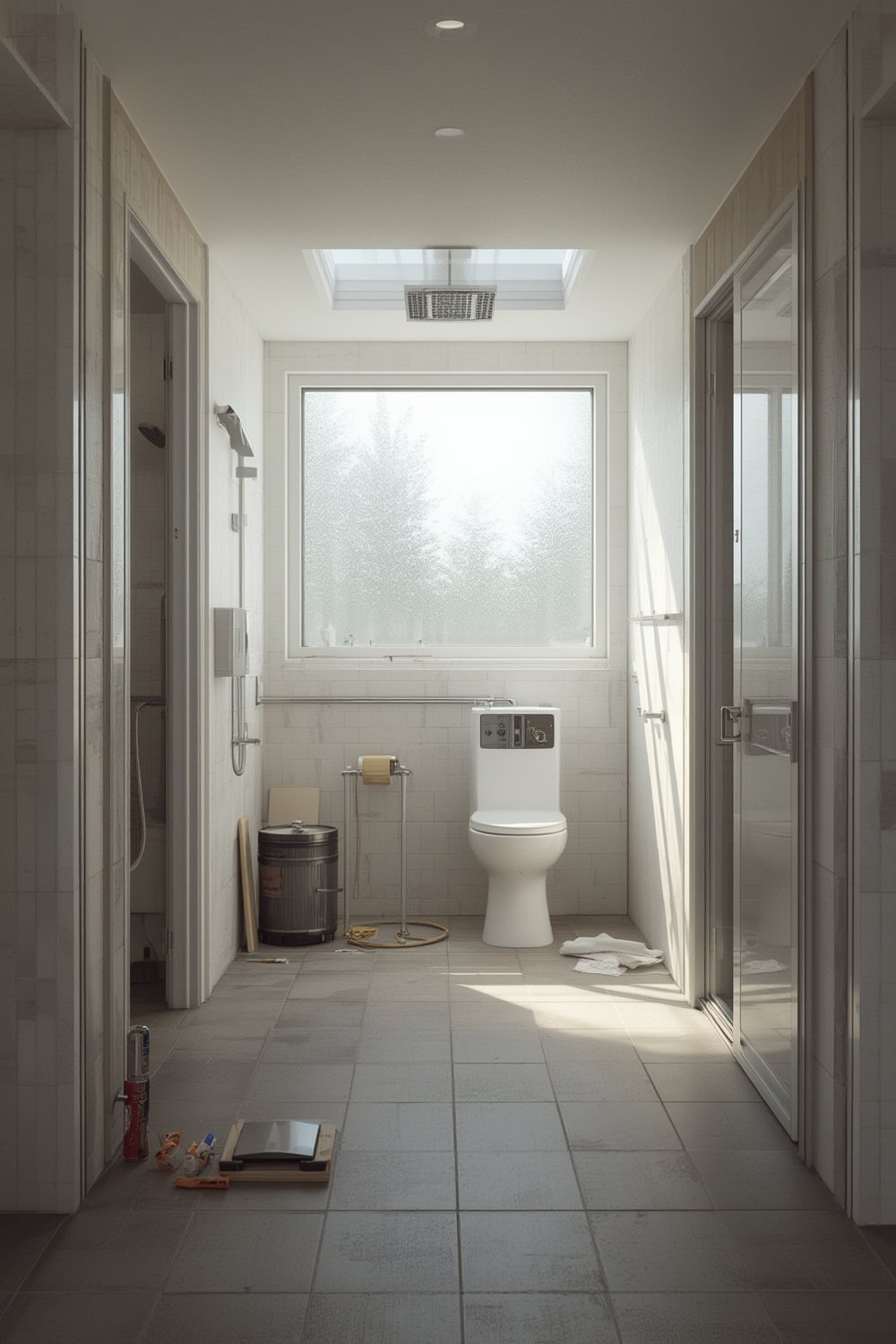
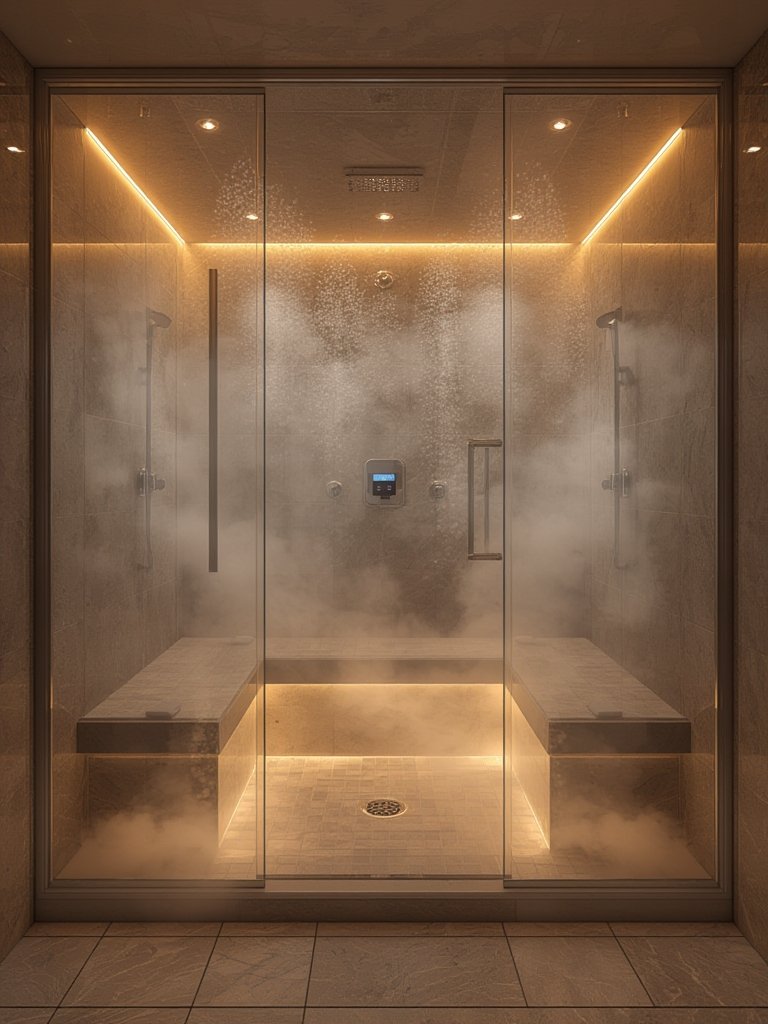
Unlike traditional showers, a residential steam shower uses a specialized generator to produce billowing clouds of moist, heated vapor—enclosed for 10-30 minutes of spa therapy. Today’s top systems often include smart controls, low-water consumption, and aromatherapy options for a fully customized experience. However, the installation process involves far more than simply swapping out fixtures. You need to factor in room size, waterproofing, generator selection, electrical and plumbing upgrades, ventilation, and ongoing energy use—topics this guide covers in depth.
Ready to see how to plan and complete a successful steam shower installation?
Step-by-Step Guide: How to Install a Steam Shower (Residential)
- Assess Space and Requirements
- Measure bathroom dimensions. For best energy performance and heat retention, ceiling height should not exceed 8 feet.
- Check for enough space to accommodate both a seating bench and steam generator, accounting for maintenance access.
- Evaluate subfloor and wall integrity, as well as location of existing plumbing/electrical.
- Choose the Right Steam Generator
- Calculate the cubic footage: width x length x height (in feet).
- Multiply by usage factors: For stone or marble, add 50% to generator size. Frequent use or larger bathrooms require a higher kW output.
- Example: A 4’ x 5’ x 7’ shower (140 cubic feet) usually needs a minimum 6 kW unit. Add 1-2 kW for stone walls or if two people plan to use it at once.
- Brands like MrSteam, Steamist, and Kohler offer energy-efficient, app-integrated units with advanced features. Reliability is higher than off-brand imports but comes at a premium.
- Prepare the Enclosure
- Fully waterproof all walls, floor, and ceiling using products like Schluter-Kerdi or RedGard.
- Install vapor barriers and insulate cavities to prevent heat loss and eliminate condensation inside the wall assembly.
- Ensure all tilework and grout are sealed 100%—unsealed gaps can cause hidden water damage and mold.
- Run Plumbing and Electrical (Professional Required)
- Steam generator needs a dedicated 240V GFCI-protected circuit, usually 30-50 amp depending on system size.
- Routing a 3/4” hot water supply, shutoff valves, and an approved drain line is essential. Permits may be required—verify local codes before starting.
- Professional installation is mandatory for wiring and pipework; DIY risks are high due to shock, steam leaks, and code violations.
- Install the Steam Generator & Controls
- Mount the generator in a nearby dry, ventilated closet or under-bench (never inside the steam enclosure itself).
- Control panels should be accessible both inside and outside the shower, enabling quick session programming and emergency shut-off.
- Install aromatherapy ports and accessories per manufacturer guidelines for safe operation.
- Ventilation & Moisture Management
- Install a high-CFM bathroom exhaust fan, ideally with a timer that activates after each use (20-30 min post-steam).
- Dehumidifiers may help in poorly ventilated homes.
- All seams, lighting, and fixtures inside the steam shower must be rated for high moisture and vapor-tight.
- Final Testing & Safety Check
- Test for leaks at all connections with the generator running.
- Check GFCI breakers, emergency shutoff, and steam output.
- Educate all users on proper operation, weekly cleaning, and schedule annual maintenance for the generator.
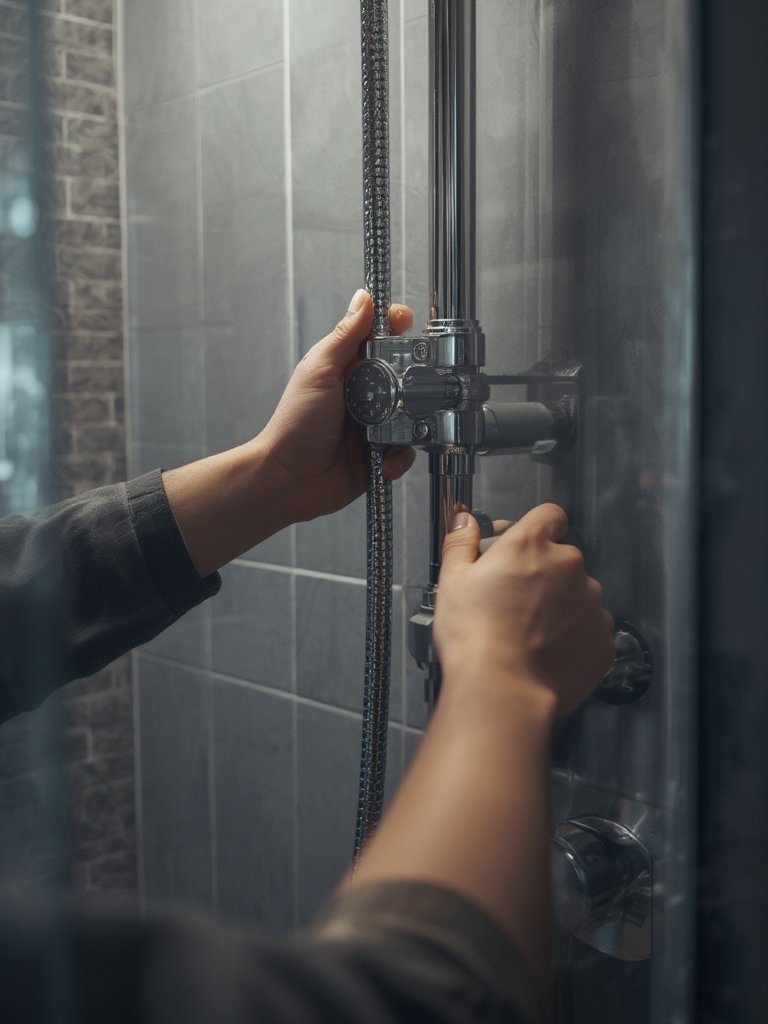
Labor costs for a full-featured steam shower typically run $2,800 to $7,100, with prefabricated kits starting at $1,000 (plus $2,000 for labor). Custom luxury options (think built-in aromatherapy, wireless controls) can reach $25,000. Ongoing energy costs vary but usually come in at about $0.50 to $1.00 per 20-30 minute session. Energy-efficient generator models and proper insulation can reduce these bills (HomeAdvisor Cost Guide).
You might also want to consider energy-saving upgrades similar to what’s used in heat pump water heater installations to optimize your steam shower’s energy consumption.
Advanced Analysis & Common Pitfalls
Even with careful planning, many steam shower installations fall short due to critical mistakes. Let’s break down the most frequent issues and overlooked technical specs from recent homeowner surveys and market reports:
| Common Pitfall | Impact/Problem | How to Prevent or Fix |
|---|---|---|
| Undersized Steam Generator | Weak or slow steam, dissatisfied users, generator stress | Calculate total room cubic feet, add margin for dense materials/dual occupancy |
| Poor Waterproofing/Sealing | Leaks, structural water damage, mold growth | Use 100% waterproof barriers (e.g., Schluter-Kerdi), fully seal grout & corners |
| Improper Ventilation | Persisting humidity, mildew/mold, odors, ceiling damage | Install high-CFM exhaust fan with timer, maintain post-use airflow |
| Non-compliant Electrical or Plumbing | Shock/fire risk, failed inspection, voided warranty | Always hire licensed electrician/plumber, obtain required permits |
| DIY Kit Misuse | Code violations, leaks, unsafe operation | DIY only permitted for basic kits; complex jobs require pro installation |
| Choosing Low-End Brands | More frequent part failures, poor energy efficiency, difficult repairs | Select trusted brands (see below), check local warranty and service |
| Neglecting Ongoing Maintenance | Clogged nozzles, scale buildup, reduced lifespan | Flush generator as recommended and schedule annual service visits |
Comparison of Top Steam Shower Brands and Kits:
| Brand/Kit | Reliability | Energy Efficiency | Features (Aromatherapy/Smart) | Market Share/Support |
|---|---|---|---|---|
| MrSteam | High (premium markets) | Yes (eco modes/insulation) | Essential oil ports, WiFi/app controls | Strong (global, many installers) |
| Steamist | High (luxury residential) | Yes (low-watt units) | AromaSense, LCD panels | Wide (excellent warranty) |
| Kohler Invigoration | Moderate to High | Yes | Optional digital controls, basic aroma ports | Very broad (big box retailers) |
| Generic DIY Kits | Variable (lower on average) | Fair/Poor | Few advanced features | Limited (local or no support) |
It’s also important to think about how steam showers impact related upgrades—excess moisture can affect fluted wall panels or washable rug placements nearby, so plan accordingly.
Other actionable tips:
- Have an electrician calculate panel load if you are retrofitting a steam shower into older homes—avoid tripping breakers shared with high-draw appliances like ventless washer dryers (see space-saving laundry solutions).
- Remember: Poor waterproofing is the leading cause of steam shower failure, which may not show for months or years after installation (HomeAdvisor).
Steam therapy provides noticeable relaxation and supposed respiratory benefits, but peer-reviewed scientific studies on the wellness impact of residential units remain limited (MrSteam Wellness Trends).
Conclusion
Steam shower installation offers powerful advantages, from boosting home resale value to improving daily well-being. Yet success depends on thorough planning: accurate generator sizing, adhering to strict waterproofing and ventilation standards, and relying on licensed professionals for complex work. Cost, complexity, and moisture risks aren’t minor—but for many homeowners, the unique spa experience more than justifies the investment. If you’re ready to upgrade, research your space, budget for hidden costs, and insist on pro installation for safety and warranty.
If you want your steam shower installation to deliver long-term results—relaxation, energy efficiency, and a higher property value—start planning with accuracy, get professional advice early, and don’t cut corners. Ready to create your home spa? Get quotes from licensed pros today and transform your bathroom into a haven of relaxation.
Frequently Asked Questions
How much does it cost to install a steam shower?
On average, expect to pay between $2,800 and $7,100 for a standard steam shower installation with aromatherapy features. Custom spa builds can reach up to $25,000. Prefab kits start at $1,000 (plus labor). Ongoing energy use adds $0.50 to $1 per session. For further cost breakdowns, see HomeAdvisor’s Cost Guide.
Can I install a steam shower myself?
DIY installation is feasible for basic prefab kits, but most steam showers require professional electrical and plumbing work for safety and code compliance. Incorrect waterproofing, poor sealing, or code failures can cause leaks, shock hazards, or expensive repairs. Know your limits and don’t cut corners.
How do I choose the right steam generator size?
Calculate your shower’s cubic footage (length x width x height) and compare to the manufacturer’s kW sizing table. For stone, concrete, or frequent dual occupancy, add 25% to 50% to generator size. When in doubt, always round up.
What’s the best way to ventilate a steam shower room?
Install a high-capacity exhaust fan (80+ CFM) with humidistat or delay timer, run after every use. Use tightly sealed enclosures, vapor barriers, and mold-resistant materials. Consider supplementary dehumidifiers in humid climates. For more on managing moisture and energy, see our energy-saving dryer guide.
Do steam showers improve health?
Steam therapy is linked with improved relaxation, stress relief, and better respiratory comfort, though direct clinical studies on home steam showers are limited. Most homeowners seek these for perceived wellness rather than proven medical results.
—