

Focus Keyword: smart home wiring
Smart home wiring is the critical backbone that transforms ordinary houses into seamless, connected environments. Whether you want cleaner automation, robust security, or to avoid the headaches of poor connectivity, getting your wiring right matters — and mistakes are expensive. This guide goes beyond the hype to show you exactly what’s involved, what to expect, and how to avoid costly problems when upgrading your home’s electrical infrastructure for smart technology.
Key Takeaways
- Most U.S. homes use smart devices, but few are wired for seamless, scalable smart home upgrades.
- Connectivity, protocol compatibility, retrofitting legacy wiring, and budget overruns are frequent challenges.
- Step-by-step planning, hybrid wired/wireless setups, and targeted troubleshooting help maximize ROI and reliability.
- The Core Concept: What is Smart Home Wiring and Why It Matters
- Step-by-Step Guide: Planning and Upgrading Your Smart Home Wiring
- Advanced Analysis & Common Pitfalls
- Conclusion
- FAQ
The Core Concept: What is Smart Home Wiring and Why It Matters
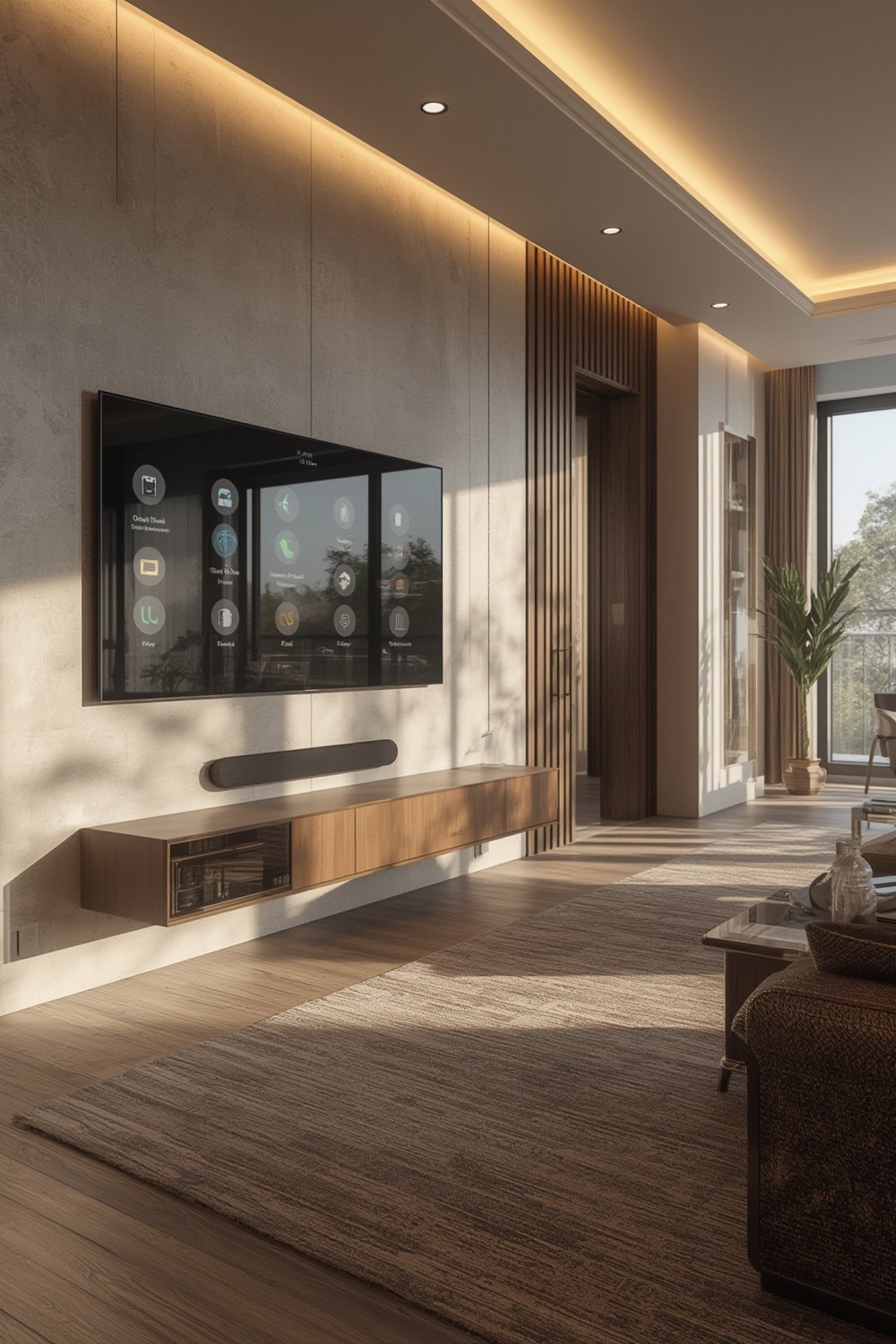
Smart home wiring refers to the structured electrical and network infrastructure designed specifically to support the installation and operation of smart devices throughout your house. Unlike traditional setups, which were built for basic lighting and outlets, modern smart homes integrate specialized wiring (low-voltage data runs, centralized hubs, power-over-ethernet, and hybrid wirelessly-connected endpoints) for enhanced security, automation, and convenience.
Why is this important? Most American homes now own at least one smart device, and nearly half have several automated systems (source). But just plugging devices into old outlets often leads to unreliable connections, interference, and networking headaches, especially as the number of devices grows. Upgrading your wiring is the only reliable way to future-proof against these issues while adding value and safety to your home.
Step-by-Step Guide: Planning and Upgrading Your Smart Home Wiring
Wiring your house for smart technology is more strategic than just buying a Wi-Fi router or a few smart bulbs. Here is a practical, actionable framework to guide you:
1. Audit Existing Infrastructure
Assess your current electrical panel, breaker capacity, and existing wiring runs. Identify areas with weak wireless connectivity or electrical issues. Look for older two-wire systems (no ground) which may need upgrades.
2. Choose Structured Wiring vs. Hybrid Systems
If building or fully remodeling, structured wiring (Ethernet, coax, low-voltage control wires) is the gold standard. For retrofits, consider hybrid systems using power-line Ethernet adapters and wireless protocols (like ZigBee, Z-Wave, or Wi-Fi 6). These can dramatically minimize the need for invasive rewiring and future-proof against the chaos of crowded Wi-Fi environments. If your renovation is mostly cosmetic, focus on where you actually need strong connectivity: security hubs, entertainment centers, and smart appliances.
3. Size Upgrades for Capacity, Not Just Immediate Needs
Even if you only have a handful of smart switches or sensors now, plan for growth. Adding an extra 5-10% circuit or wiring capacity during upgrades is far cheaper than tearing open walls later. Consider adding a subpanel if your main panel is full or nearly full.
4. Select Devices and Ecosystems Carefully
Choose smart devices that are compatible with broadly adopted protocols (Matter, Zwave, Zigbee), and avoid proprietary or single-brand solutions that may limit your future choices. Ensure backward compatibility with your home’s infrastructure – if you have a lot of legacy wiring, focus on systems that support hybrid/wired communication. For automation, platforms like Google Assistant, Siri, and Alexa dominate the market. Research local requirements for upgrades and check if ENERGY STAR rated products can save on long-term energy costs. Learn more about maximizing whole-home energy savings with our specialized heat pump water heater guide.
5. Retrofit with Minimal Intrusion
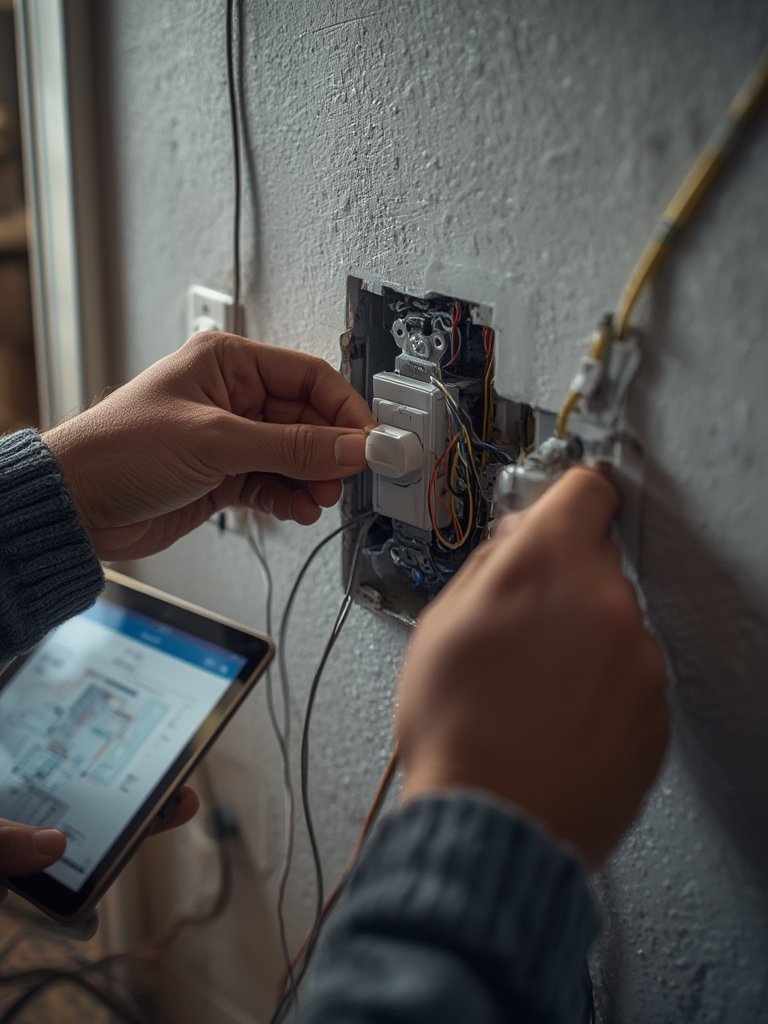
Instead of full rewiring, use wireless sensors and hardwired smart switches in key spots. Look for smart hubs/controllers that use hybrid protocols to strengthen connections. Centralize your control panels (electrical + network) to one location so troubleshooting is easier. Use blank wall plates as access points if you anticipate future upgrades.
For older homes, professional advice may be essential — some legacy wiring is incompatible with certain smart switches, especially where no neutral wire is present. Always verify with a voltage tester before proceeding with installations.
6. Prepare for Troubleshooting and Maintenance
Label every new run and outlet in your panel or patch panel. Keep a wiring map for future reference. Install surge protection or whole-home surge suppressors to protect sensitive smart devices. Consider sound dampening upgrades for tech hubs (see our fluted panels acoustic guide for optimal results).
7. Budget: Typical Costs and How to Avoid Overruns
The average cost to install smart home devices is $1,173, but this can balloon fast for larger homes or if extensive rewiring is needed (source). Structured wiring for a mid-sized house can easily reach $2,000-$5,000, and electrical panel upgrades add $1,500-$3,000. Hybrid retrofits are usually cheaper but may sacrifice ultimate reliability or speed. Always factor in labor, device compatibility, and the need for permits. If you want cost-effective upgrades that also maximize energy savings, see our ventless washer dryer guide for additional strategies.
Advanced Analysis & Common Pitfalls
Smart home wiring presents significant benefits — but also many potential traps for homeowners. Below are the most common pitfalls and objective technical problems based on industry data:
Common Pitfalls and Troubleshooting
- Unstable Connectivity: Over 50% of households worry about poor connections and interference (source), particularly as more devices crowd the Wi-Fi spectrum or tap into older power lines.
- Device Incompatibility: Not all smart devices play nicely together. Mixing wireless protocols or brands can cause delays, failed automation, or lock-in.
- Partial Upgrades: Only upgrading select rooms leads to network “dead spots” and troubleshooting headaches.
- Legacy Wiring Barriers: Older homes often lack the necessary wiring — think two-wire setups without neutral — which can block installation of many smart switches/relays.
- Insufficient Panel or Circuit Capacity: Adding too many devices to old circuits risks tripping breakers or exceeding safe loads, especially with kitchen and laundry upgrades. Refer to our guide on SPC flooring durability for complementary whole-house upgrades that can be coordinated during rewiring.
- Security Risks: Many users ignore device and hub security. With over 46% of users concerned about hacking (source), use encrypted protocols, regular updates, and strong passwords — never install devices from untrusted vendors.
Comparison Table: Structured vs. Hybrid Smart Home Wiring
| Feature | Structured Wiring | Hybrid (Wired + Wireless) |
|---|---|---|
| Reliability | Maximum, low latency | Moderate, occasional dropouts |
| Installation Cost | High (labor, materials, finish work) | Moderate (less wall work) |
| Integration with Old Wiring | Usually not compatible | Made for legacy retrofits (MoCA, power-line Ethernet) |
| Support for Latest Devices | Excellent (Gigabit+ bandwidth) | Varies (limited by wireless or power-line tech) |
| DIY-Friendly | No, professional install typically required | Yes, many solutions DIY-upgradable |
Safety, Permits, and Electrical Codes
The current U.S. electrical code (NEC) does not yet directly address “smart home wiring” as a special category, and no unique national certifications exist for smart wiring specifically — requirements depend on your state, locality, and device type. You must still pull permits and use licensed electricians for panel or circuit additions. ENERGY STAR still only covers end devices like thermostats (source).
For DIYers, always de-energize circuits and test for voltage before working. If in doubt, hire professional help, especially in older homes.

Conclusion
Smart home wiring is the true foundation for any connected home, but it’s not as simple as plugging in new gadgets. Evaluating your current infrastructure, choosing the right hybrid or structured system, and planning for future expansion will save you hours of troubleshooting and potentially thousands in remediation. Focus on compatibility, reliability, and incremental upgrades. With the right approach, your smart home wiring project can add lasting value, safety, and convenience. Ready to start? Map your project and reach out to licensed professionals when required. For more tips on protecting your investment (including flooring, laundry tech, and sound dampening), explore our guides on floor protection with washable rugs and space-saving laundry upgrades to round out your smart home plan.
FAQ
Do I need to rewire my entire house for smart home tech upgrades?
No, most homeowners can use hybrid solutions (power-line, MoCA, or wireless smart switches) to add connectivity without full rewiring. However, some older homes with knob-and-tube or ungrounded wiring may need targeted upgrades for safety and device compatibility.
Can smart devices be hacked through my wiring system?
Yes, any connected device is potentially vulnerable. Always change default passwords, use encrypted protocols, and keep your hubs and devices up to date to reduce risk. Segment your network if possible and only buy devices from reputable brands.
How much does a typical smart wiring upgrade cost?
The average U.S. homeowner spends $1,100–$5,000 for an upgrade, depending on home size, device count, and whether structured wiring is used. Electrical panel upgrades and professional labor increase costs. Retrofits using hybrid tech are more affordable.
Will smart home wiring increase my property value?
Yes, robust smart home wiring can boost resale value and appeal to buyers, especially if the system is clearly labeled, supports common protocols, and is professionally installed. Document upgrades for your real estate records.
Can I use a ventless washer dryer or heat pump water heater with smart panels?
Absolutely — many ventless and HPWH systems offer smart features (remote monitoring, efficiency alerts) that integrate with modern hubs. Combine with efficient smart wiring for easy automation and energy savings. See our energy-saving ventless washer dryer guide for details.
—