

Peel and stick floor tiles bathroom solutions are surging in popularity for renters and homeowners aiming for a quick, water-resistant upgrade—without demolition or messy adhesives. Whether you’re looking to refresh a dated bath, need renter-friendly flooring, or want a DIY weekend project, it pays to know exactly how these tiles perform, what to expect, and where common mistakes cost users time and money.
Key Takeaways
- Peel and stick floor tiles are affordable and DIY-friendly, making them especially popular for bathrooms and rentals in 2024.
- Moisture resistance is improving, but users still report adhesion and durability issues over time—especially in high-humidity or wet environments.
- Most brands don’t address easy, residue-free removal in rentals, nor do they provide detailed specs on waterproofing or eco-friendliness.
- The Core Concept: What Are Peel and Stick Floor Tiles for Bathrooms?
- Step-by-Step Guide: Installing Peel and Stick Floor Tiles Bathroom
- Advanced Analysis & Common Pitfalls
- Conclusion
- FAQ
The Core Concept: What Are Peel and Stick Floor Tiles for Bathrooms?
Peel and stick floor tiles for bathrooms are adhesive-backed vinyl or PVC tiles designed to mimic ceramic, stone, or wood while being much easier to install. Unlike traditional tiles, there’s no mortar, grout, or special tools. These tiles are particularly marketed for their water resistance, making them appealing for bathrooms and moisture-exposed rental floors. With global market value estimated at USD 13.7 billion in 2024 and North America leading adoption, the main draw is affordability and simplicity—tiles can go directly over most existing floors without a pro install.
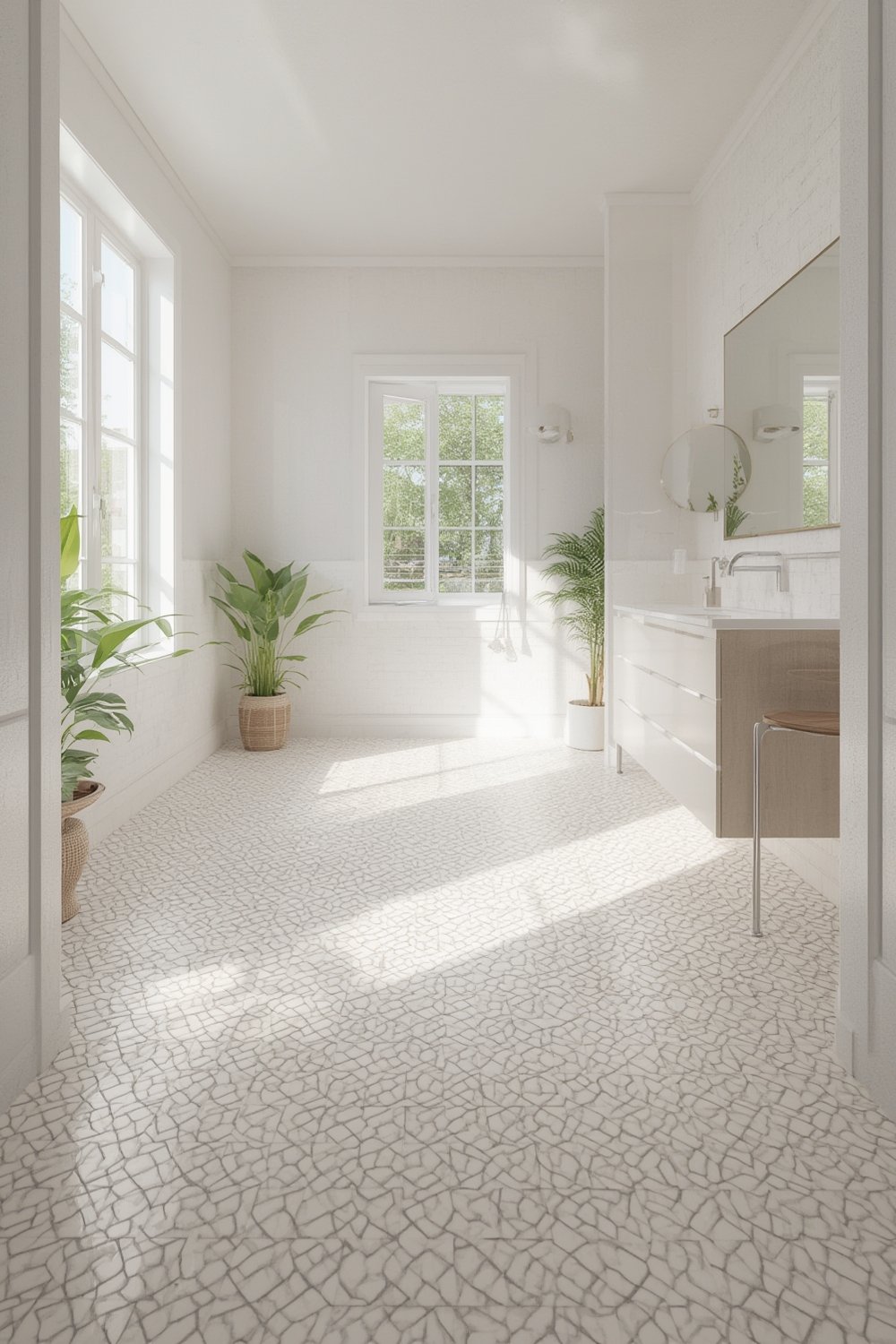
Brands like Armstrong, Mohawk, Tarkett, and others dominate thanks to water-resistant vinyl formulations. Homeowners also appreciate being able to change the look of a bathroom quickly—ideal for renters wary of permanent upgrades or anyone prepping for resale.
Looking to optimize bathroom storage during your renovation? Pair your flooring update with ideas from our guide on storage cabinet organization for a total refresh.
Step-by-Step Guide: Installing Peel and Stick Floor Tiles Bathroom
Follow these steps for a smooth, long-lasting peel and stick floor tile installation in your bathroom.
- Floor Prep: Sweep and mop the existing bathroom floor. Remove all debris, loose caulk, or soap residue. Make sure the surface is absolutely dry. Moisture is the number one cause of failed adhesion.
- Layout Planning: Measure your space, then lay tiles (without removing backing) to visualize the pattern and minimize small tile cuts near walls.
- Start from the Center: Snap chalk lines to find the room’s center. Start tiles here to ensure even, balanced lines along all visible walls and fixtures.
- Peel and Stick: Remove the paper backing, align carefully, and press tiles into place one at a time. Use a rolling pin or floor roller to activate the adhesive.
- Trimming: For edges and corners, score tiles with a sharp utility knife, snap at the cut, then trim as needed. Templates are key for pipes or awkward angles.
- Seal Joints (Optional): Some pros recommend applying a bead of silicone caulk along tub and toilet edges to block water submersion at seams.
- Weight the Tiles: Walk over the entire area or place a heavy object (protected by a board) to help each tile bond fully.
- Wait to Use: Wait 24 hours before exposing the floor to water or heavy foot traffic for best results.
If you want a truly spa-like finish, consider complementing your new floor with upgrades featured in our deep soaking tub bathroom transformation guide.
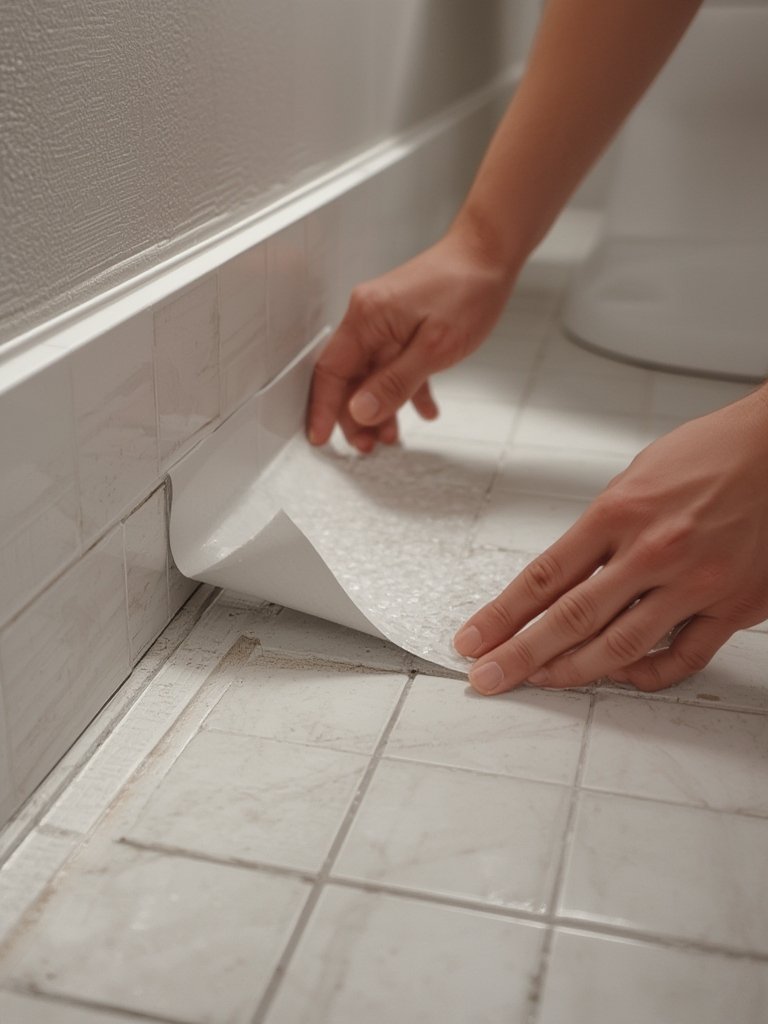
Budget tools: All you need is a measuring tape, utility knife, a level, and a damp rag for cleaning the surface—no specialty adhesives or underlayment required.
Want to keep your cleaning routine as efficient as your floor install? Check out our handheld vacuum review for spot-cleaning tile grout lines or post-construction debris.
Thinking about eco-friendly material choices or water savings? See practical sustainability tips in our WaterSense fixtures guide—another quick win for green bathrooms.
Advanced Analysis & Common Pitfalls
While peel and stick tiles can be a useful short-term fix, the research numbers and authentic user reviews show real limitations. Here are some pitfalls and realistic performance points to weigh before installing these bathroom tiles, especially in rentals.
| Feature | Waterproof Bathroom Models | Standard Peel & Stick Tiles |
|---|---|---|
| Material | Vinyl/PVC enhanced for moisture, slip resistance, antimicrobial | Basic vinyl; may lack moisture or mildew protection |
| Water Resistance | Improved by specialized coatings, tech advances | General durability, limited proofing |
| Removal | Rarely discussed; risk of adhesive residue on subfloor | Little to no brand guidance; can damage rental floors |
| Eco-Friendly Options | Emerging, but few details on renter-safe, bio-based adhesives | Traditional vinyl, rarely recycled or bio-based |
| Adhesion Life (Real-World) | Still prone to peeling or delamination in high moisture | More likely to fail in humid/rental use after 1–2 years |
| Cost | Low overall (exact 2026 pricing unavailable) | Also low; DIY-friendly, no pro install required |
User Complaints:
- Adhesion failures in humid or wet bathrooms—even “waterproof” models may lift at edges if not perfectly dry at install [source].
- Water can seep through seams causing mold or mildew below tiles—few brands publish actual mildew-resistance test data [source].
- Limited longevity: Expect visible wear, bubbling, or corners peeling after 1-2 years, especially in high-traffic rentals [source].
- Lack of independent lab tests or performance reviews—most brand claims are unsupported by third-party data.
Unmet Topics in Most Online Guides:
- Removability in Rentals: No major brands or review sites provide proven, damage-free removal processes; adhesive residue can damage floors, risking rental deposits [source].
- Mildew & Moisture Validation: While vinyl is marketed as water-resistant, actual long-term mildew testing (especially in bathrooms) is rarely shared [source].
- Eco-Friendliness: Options for recycled content or bio-based adhesives are emerging, but still rare and seldom tailored to renter needs [source].
If you’re tackling a larger bath remodel, our guide to creating a modern, accessible wet room explores alternative flooring, waterproofing, and accessibility strategies.
Conclusion
Peel and stick floor tiles bathroom projects deliver easy, affordable style—perfect for fast DIY makeovers or temporary rental upgrades. Just recognize their limits: expect some risk of adhesion issues in wet environments, finite durability (especially in high-traffic or humid areas), and research the removal process if you’re renting. While big brands keep innovating with better water resistance and styles, most don’t address full waterproofing or guaranteed, damage-free removal yet. If you want peace of mind, compare options or look for professional-grade SPC or luxury vinyl plank alternatives for maximum bathroom durability.
Ready for your own upgrade? Start planning your peel and stick floor tiles bathroom project today—then check out more smart storage, cleaning, and water-saving essentials across our bathroom and home guides.
FAQ
Are peel and stick floor tiles really waterproof for bathrooms?
Most “waterproof” peel and stick tiles use improved vinyl or PVC and resist splashes, but can still fail if seams aren’t perfectly sealed or the subfloor is damp. Edge lifting and water getting underneath is the top risk. For maximum water resistance, add silicone caulk at tub or toilet seams.
How long do peel and stick tiles actually last in a bathroom?
In a low-traffic, well-ventilated bath, tiles might last up to 2–5 years. In humid, busy settings (like rentals), users report peeling, bubbling, or adhesion loss after 1–2 years.
Will peel and stick tiles damage rental floors or leave residue?
Risk depends on subfloor and adhesive type. Many users find adhesive residue is hard to remove—sometimes damaging wood or leaving permanent marks. There is very little official guidance on totally damage-free removal for rentals.
Can you install peel and stick tiles directly over tile, vinyl, or laminate?
Yes—if the existing surface is clean, flat, and dry. Textured tile grout lines may show through thinner options. Sanding or applying a leveling compound can improve results for bumpy floors.
Are there eco-friendly options for peel and stick bathroom floors?
Some brands are exploring recycled vinyl or bio-based adhesives, but very few carry verified certifications. Always check product specs or request details from the supplier if sustainability is a top priority.
—