

Outdoor wellness space is quickly becoming a must-have for homeowners seeking better physical and mental health right in their own backyard. Whether you want a place to unwind after work or boost your energy naturally, a dedicated outdoor wellness area can deliver major benefits—if it’s set up the right way.
Key Takeaways
- Strategic design and the right features can transform any backyard into an effective outdoor wellness space.
- Most homeowners overlook maintenance challenges and hidden costs, so careful planning is vital.
- Time spent in nature is linked to better physical and mental health, making outdoor wellness investment worthwhile.
The Core Concept
An outdoor wellness space is a thoughtfully designed area in your yard or garden dedicated to activities that support your body and mind. These spaces often include features like seating for meditation or yoga, nature-focused landscaping, water elements, and sometimes equipment like outdoor saunas or climbing walls. The goal is to create a personal sanctuary that makes it easier to stay active, reduce stress, and reconnect with nature—right at home.
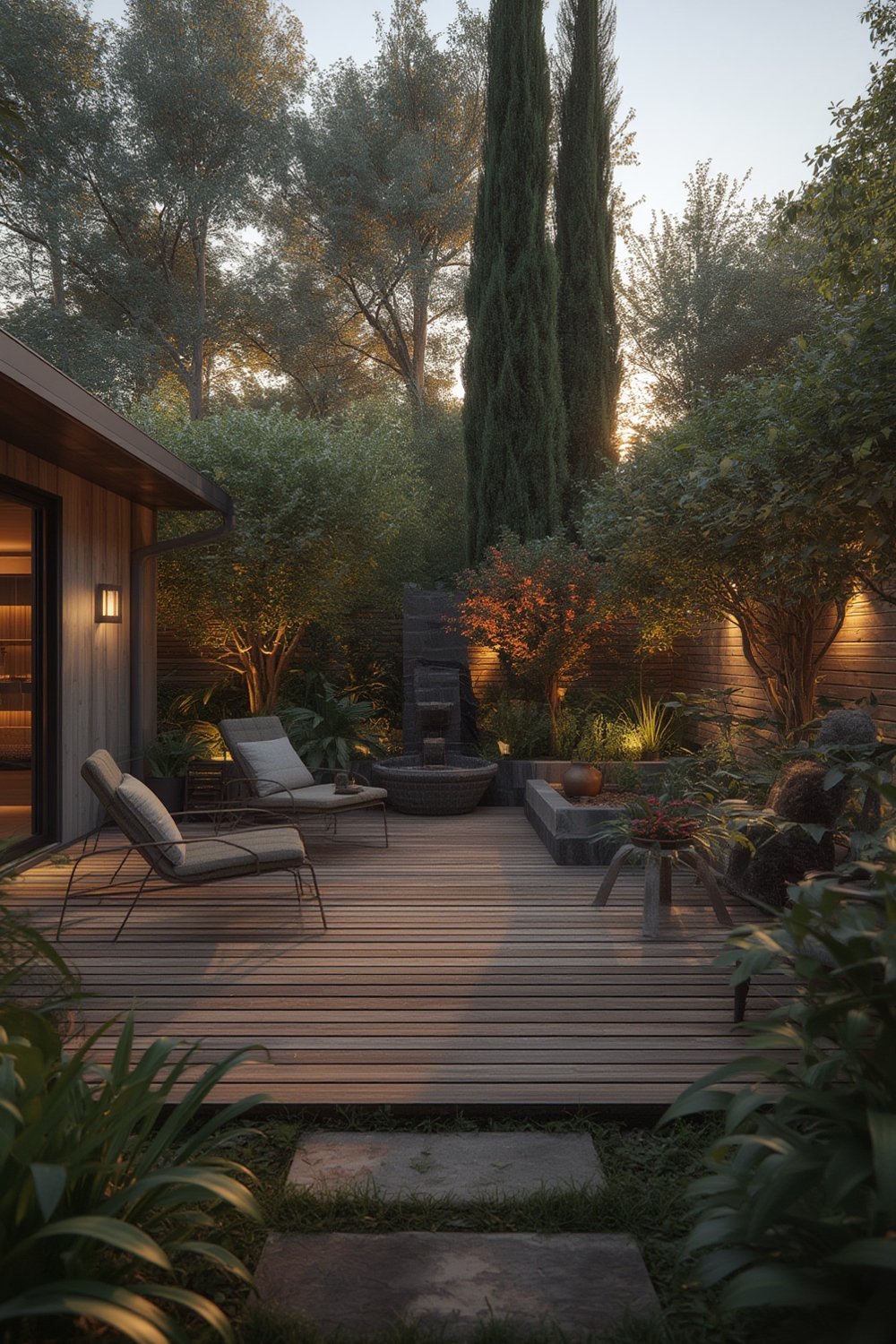
The concept’s popularity is driven by strong research: time spent in nature provides documented benefits for both physical and mental health, from reducing mortality to enhancing mood. Further, the wellness real estate market nearly doubled in value from 2019 to 2023 and is projected to keep growing fast. This trend reflects a wider recognition—wellness is now a top priority for 82% of US consumers, especially Millennials and Gen Z, according to Altus Group research.
But there’s a challenge: while general statistics prove the trend, there’s little guidance on the homeowner level. Most advice omits real costs, maintenance demands, or pitfalls homeowners face maintaining these spaces over time.
Step-by-Step Guide
Here’s a proven, stepwise process to create your own outdoor wellness space—balancing budget, durability, and daily use for a truly restorative environment.
- Define Your Health Goals
List what you want from your outdoor wellness space: relaxation, cardio, stretching, stress relief, quiet reading nook, or family play? This guides all future decisions. - Set a Realistic Budget
Prices for specialty features can add up quickly. Research basic costs (fencing, pavers, seating, water elements). Expect to spend from $2,500 for a simple setup up to $30,000+ for premium features like outdoor saunas or landscape lighting. Always add a 20% buffer for surprises. - Focus on Core Components
- Privacy: Use fencing, shrubs, or screens. For sound dampening, fluted panels can help block out street noise naturally.
- Comfortable Surfaces: Install weatherproof flooring; SPC flooring (SPC flooring offers long-term savings) and washable rugs work well for bare feet.
- Seating: Choose weather-resistant materials. Include hammocks, lounge chairs, or meditation cushions for versatility.
- Landscaping: Mix evergreens, flowering shrubs, and pest-repellent plants for color and function—consider maintenance needs.
- Lighting: Add warm, low-voltage LED fixtures for safety and ambiance.
- Define Your Health Goals
- Plan for Weather and Shade
Incorporate pergolas, shade sails, or even small gazebos. This keeps your space usable in hot sun or drizzle. Install drainage solutions under flooring to avoid puddles and mold. - Include Simple Water Features
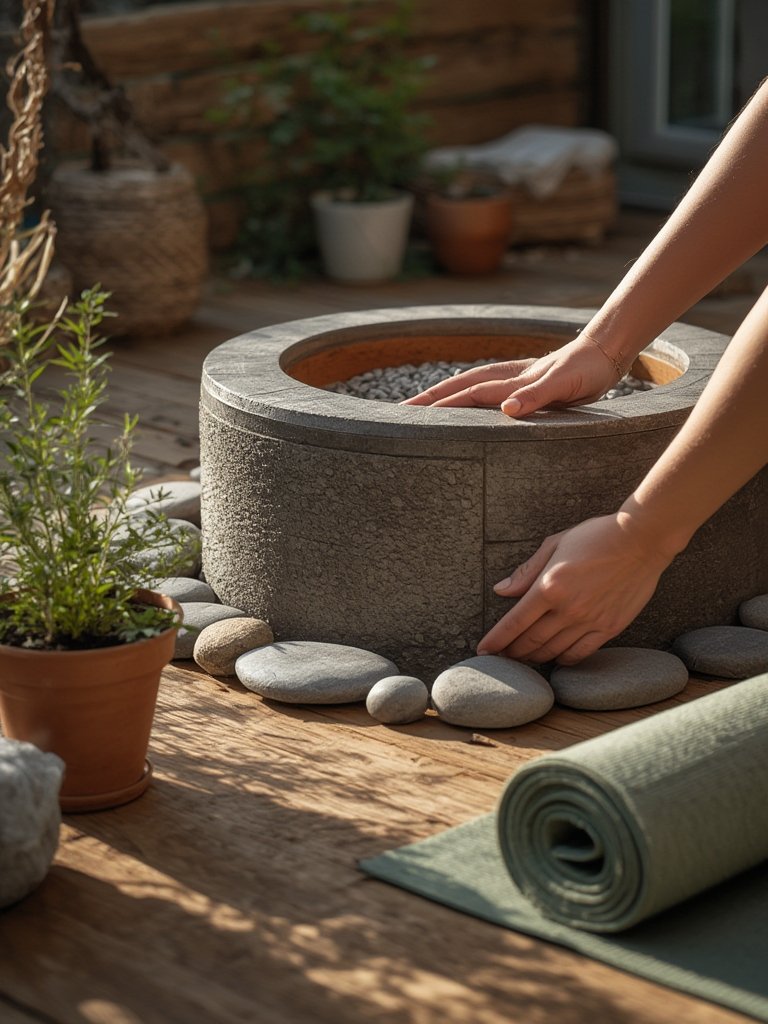
Water sounds dampen outside noise and promote relaxation. tabletop fountains or small ponds are affordable. For bigger budgets, consider a plunge pool (note: maintenance and safety are critical). - Sneak in Storage and Multi-Purpose Zones
Built-in benches with waterproof storage hide gear and keep clutter down so the wellness vibe lasts. - Make it Low-Maintenance
Choose materials that hold up in your climate. Synthetic decking, composite furniture, and hardy plants will reduce time on upkeep. - Optional Bonus Features
- Outdoor saunas (costs can range $5,000–$15,000 installed; check local zoning and power needs).
- Open-air yoga studio (simple platforms with shade, $800–$2,500 for DIY, more with premium finishes).
- Ventless washer dryer (ventless washer dryer for a poolside spa laundry—saves space and handles towels efficiently).
Maintenance tip: Budget ongoing costs for cleaning, repainting, sealing, or equipment repairs. Consider energy-efficient tech like a heat pump water heater if your wellness space has a shower or spa—this can improve savings and environmental impact.
Advanced Analysis & Common Pitfalls
Many homeowners underestimate the challenges and long-term costs involved in setting up and sustaining an outdoor wellness space. Here is what you really need to know:
- Material Choices Are Critical: Wood rots, paint peels, metal rusts, and some plastics fade quickly in sun or rain. Choose UV-stable and water-resistant products—even if initial costs are a bit higher.
- Maintenance Is Ongoing: Outdoor wellness equipment, especially water features, saunas, or even lighting, requires persistent upkeep. Expect seasonal cleaning, filter changes, mold checks, and replacement parts.
- Cost Overruns: Upgrades and add-ons pile up. Installation, hidden permit fees, and surprise landscaping issues (tree roots, erosion) easily push projects over budget.
- Lack of Privacy or Poor Sound Control: If you’re near a busy road, train line, or neighbor’s deck, skip basic lattice fences. Opt for acoustic solutions like fluted panels, thick hedging, or sound-absorbing landscaping berms.
- Weather Extremes: Wind, hail, and UV can stress even premium materials. Shade sails and waterproof covers extend furniture life but don’t eliminate all wear. Regular inspections help avoid costly surprises.
- Pest Intrusions: Standing water and lush planting can invite mosquitos or rodents. Design with drainage and natural repellents in mind.
| Common Feature | Typical Problem | Fix or Prevention |
|---|---|---|
| Wood Deck/Furniture | Moisture damage, warping, rot | Finish with outdoor sealant; inspect for early water damage every 3 months |
| Saunas & Water Features | High energy costs, mold, scale buildup | Install energy-efficient heat pump water heater; set regular cleaning schedule |
| Plants & Landscaping | Pests, overgrowth, drought stress | Choose low-maintenance native plants; install drip irrigation |
| Noise & Privacy | Street/neighbor noise intrudes | Acoustic fluted panels, thick hedges, smart fence design |
Remember, not all “outdoor wellness” products are created equal. Seek out reviews and ask local homeowners what has worked—and what failed—in your climate and location. Quality, not quantity, pays off in the long run.
Conclusion
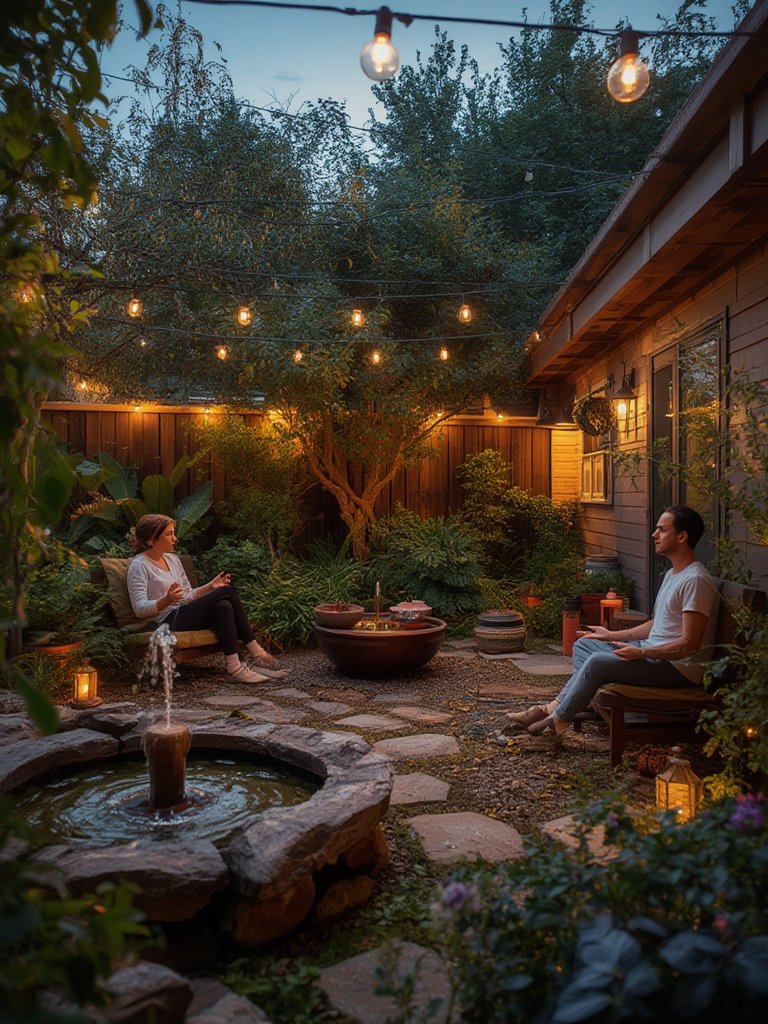
Creating an outdoor wellness space is one of the smartest ways to invest in your well-being while boosting property value. Prioritize comfort, privacy, and durability, and don’t overlook ongoing maintenance and real costs. By following the steps above, you’ll avoid common mistakes and get true restorative value every time you step outside. Ready to start your own outdoor wellness space? Begin with a realistic plan—your healthiest backyard starts today.
For tips on maximizing energy savings for any backyard spa or fitness setup, check out our heat pump water heater guide. Looking for low-maintenance surfaces? See our breakdown of SPC flooring durability vs. other options. And don’t forget to explore fluted panels if noise reduction is a priority for your outdoor retreat.
FAQ
What is the ideal size for an outdoor wellness space?
There’s no one-size-fits-all answer. Many effective spaces are as small as 100 square feet—but layout and privacy matter more than pure size. Focus on how each area will be used, and design for flexibility.
How much does it cost to install an outdoor sauna or yoga studio?
Expect to pay $5,000–$15,000 for a quality outdoor sauna installed, and $800–$2,500 for a basic open-air yoga platform (higher for premium or custom designs). Always include extra budget for permits, power, and weatherproofing.
What maintenance does an outdoor wellness space require?
Routine cleaning, seasonal sealing of wood, checking water features for leaks or mold, and maintaining plants. Choose synthetic or composite materials for furniture and decking to minimize upkeep.
Are there health benefits to using an outdoor wellness space?
Yes. Studies show that regular time in nature can lower stress, boost mood, and even reduce mortality. Dedicated wellness areas make healthy routines easier to keep up at home.
How can I make my outdoor space more private and peaceful?
Use fencing, dense hedges, or even acoustic panels. Adding water features and strategic landscaping also helps mask outside noise and improve tranquility.