

Outdoor kitchen upgrade projects have quickly become a leading home improvement trend for 2024, offering both functional and entertaining backyard spaces. But while demand rises, planning a truly successful backyard kitchen means addressing hidden costs, technical challenges, and maximizing long-term value.
Key Takeaways
- Outdoor kitchen upgrades are booming, with the global market set to double by 2033, but costs and complexity are often underestimated.
- Choosing durable, weather-resistant materials and proper installation methods is vital to avoid costly repairs or safety hazards.
- Integrated appliances and smart tech drive both function and backyard resale value—yet many overlook critical technical and permit considerations.
- What Is an Outdoor Kitchen Upgrade and Why Is It a 2024 Must-Have?
- Step-by-Step Guide: Planning and Installing Your Outdoor Kitchen Upgrade
- Advanced Analysis & Common Pitfalls to Avoid
- Conclusion
- Frequently Asked Questions
What Is an Outdoor Kitchen Upgrade and Why Is It a 2024 Must-Have?
At its core, an outdoor kitchen upgrade transforms basic backyard grilling into a fully functional, weather-resistant, and entertainment-ready space. The shift isn’t just about convenience—it’s about creating an extension of your home for cooking, socializing, and boosting property value in one of real estate’s hottest sectors.
Market data shows that the outdoor kitchen industry is projected to reach as high as USD 52.75 billion by 2033, with North America accounting for up to 38% of worldwide demand. Most projects focus on upgrading built-in grill stations, alfresco appliances, and outdoor bar areas. These investments offer a seamless indoor-outdoor lifestyle, but also require proper design and material expertise to ensure long-term ROI and ease of use.
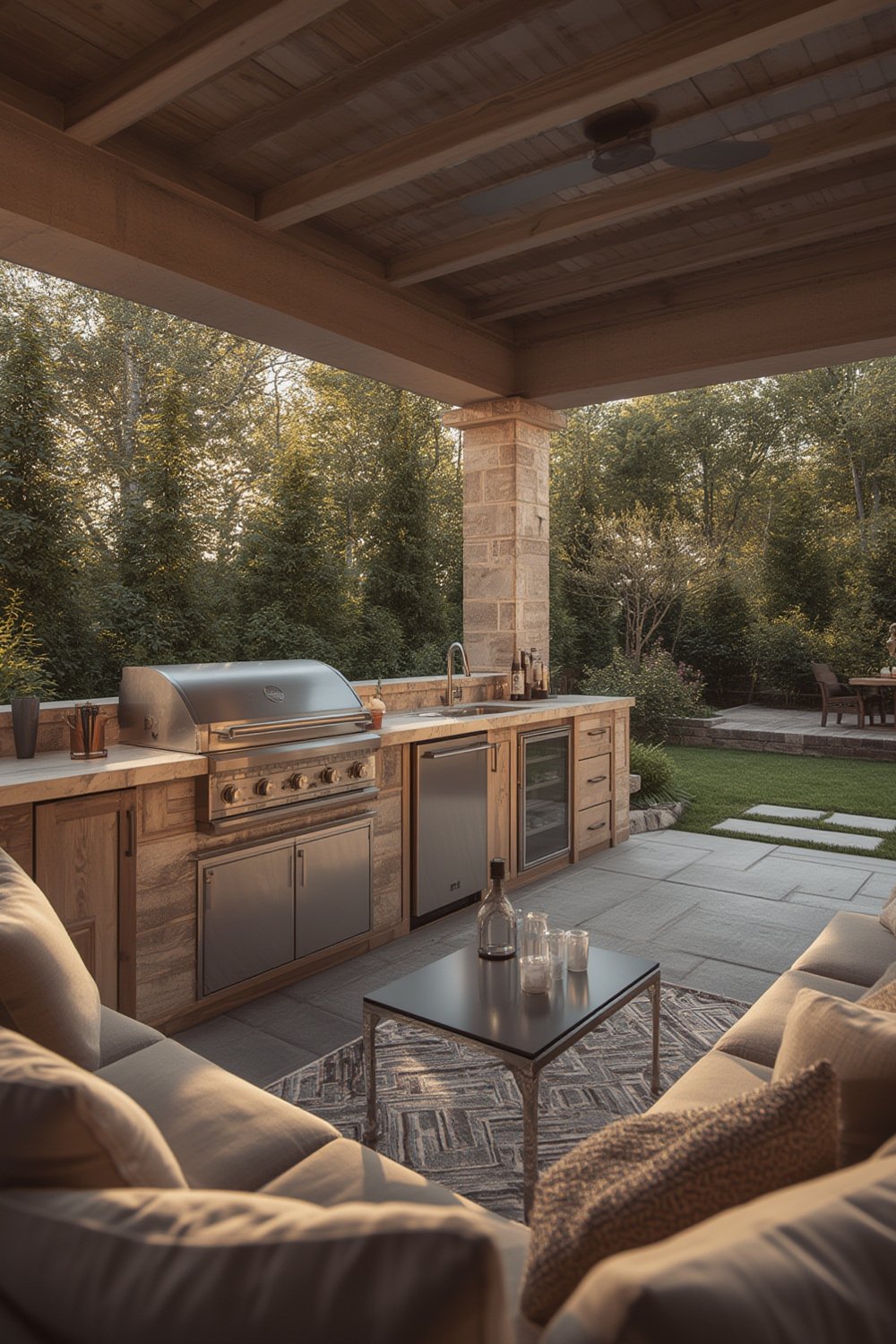
Functional upgrades go beyond aesthetics. Integrated outdoor kitchen cabinets, energy-efficient lighting, smart appliances, and weatherproof designs top the list for both year-round cooking and future-proofing your space for resale—especially as trends shift toward sustainable materials and modular layouts. That said, expensive materials like stainless steel or high-end polymers (while durable and eco-friendly) can increase sticker shock and project complexity.
With no universal template, every outdoor kitchen upgrade must be tailored for local climate, maintenance realities, and even permit requirements. Skipping these details is a recipe for regret—be it warped countertops, rusted grills, or compliance headaches.
Step-by-Step Guide: Planning and Installing Your Outdoor Kitchen Upgrade
-
Define Your Project Scope and Budget
Begin by clarifying how you plan to use your outdoor kitchen. Will it be a cook-and-serve zone, a full alfresco dining area, or an entertainment center with a bar? List your must-haves (grill station, outdoor refrigeration, sinks, storage, smart controls, bar area) and estimate your total investment—noting that high-quality, weatherproof materials will raise upfront costs but reduce maintenance headaches later. Marketplace trends consistently show that outdoor kitchen cabinets and built-ins are pricier than indoor units, largely due to material and installation demands (source).
-
Choose Durable, Climate-Appropriate Materials
Material selection is not just a style choice—it’s the biggest factor impacting longevity and maintenance. Stainless steel, composite polymers, stone, and concrete are leading picks for cabinets and countertops. If you live in a region with extreme UV or moisture, synthetic materials offer better resistance than wood, which can warp or fade. Eco-friendly options such as Moso bamboo and renewable steel are growing in popularity for their durability and reduced environmental impact. For climates with temperature swings, look for insulated cabinetry and sealed surfaces to prevent cracking and spoilage.
-
Focus on Ventilation, Utilities, and Safety Codes
Proper ventilation for built-in grill stations, secure gas or electrical connections, and moisture-resistant construction are non-negotiables for a safe and functional outdoor kitchen. Plan electrical outlets, GFCI protection for wet areas, and confirm you meet local building codes—especially regarding setback distances, gas/electrical permits, and weatherproofing. For example, a poorly ventilated grill station or mismatched electrical installation can pose major fire risks and fast-track appliance failures. Always verify permit needs with your local authority, since requirements change by city and county.
-
Select Appliances for Function and Resale Impact
High-functioning upgrades like built-in barbecue grills, refrigerator drawers, ice makers, smart grill controls, and outdoor bar sinks add day-to-day convenience and increase resale value. Modular and customizable systems, as noted in recent market research, allow you to phase your project or adapt to changing needs. Integrated lighting, WiFi-enabled technologies, and energy-efficient appliances can further differentiate your outdoor space.
-
Plan Installation for Longevity
Installation timelines vary. Basic modular units may only take a few days, while custom builds—with poured concrete, built-in plumbing, or large stone courts—can exceed several weeks. Be realistic about site prep, seasonal weather issues, and supply chain delays. Expert installation is recommended for built-ins and utility hookups. For flooring, consider SPC flooring or similar waterproof, impact-resistant solutions to prevent cracking and extend the life of your design.
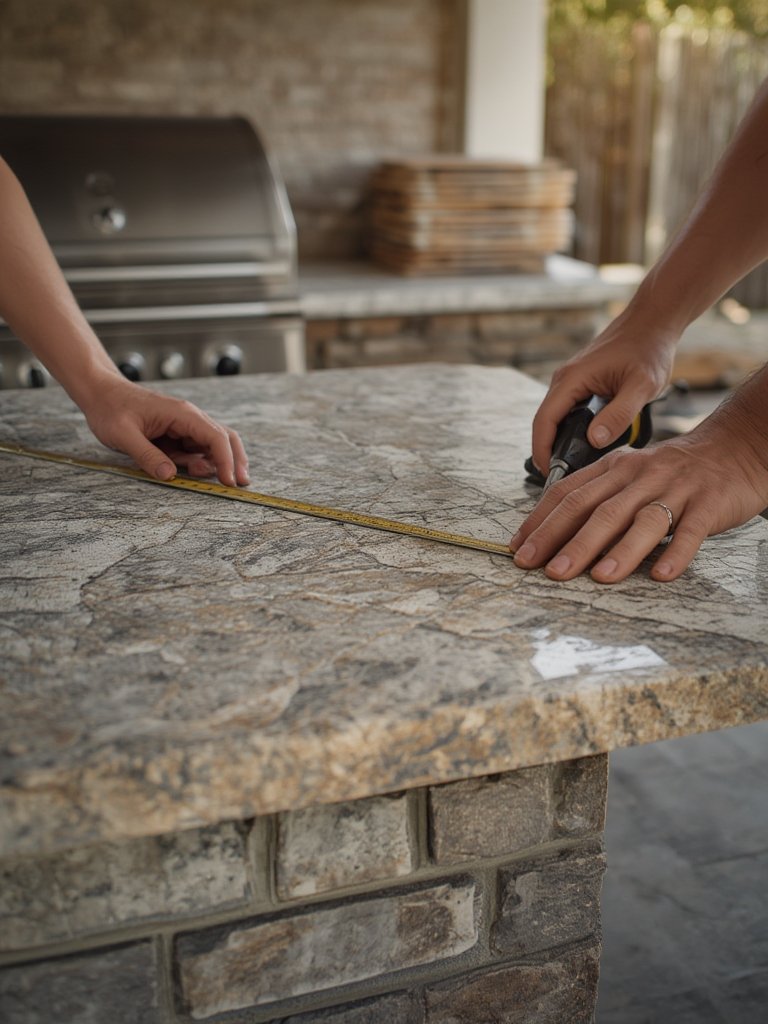
For extra cost savings, explore energy-efficient appliance upgrades such as heat pump water heaters for your outdoor bar sink or pool area, which can cut water heating energy by up to 70 percent. Use washable outdoor rugs (learn more here) to protect outdoor flooring from heavy traffic and spills.
Advanced Analysis & Common Pitfalls to Avoid
Even with solid planning, an outdoor kitchen upgrade comes with distinct challenges—and some are often overlooked by both DIYers and professionals. Below is an at-a-glance table comparing key decisions and their risks:
| Decision | Benefits | Potential Pitfalls | Mitigation |
|---|---|---|---|
| Stainless Steel Cabinets | Weatherproof, durable, low maintenance | High upfront cost, prone to fingerprints and scratches, can feel hot in sun | Choose brushed finishes; provide shade; budget ahead |
| Natural Stone Countertops | Attractive, long lasting, heat resistant | Requires sealing, can stain or crack in freeze-thaw cycles | Seal regularly; select dense stones for cold climates |
| Built-in Grill Stations | Professional look, saves space, higher resale value | Complex install, ventilation and utility challenges | Hire experienced installers; follow safety codes |
| Modular Cabinets | Customizable, faster install, lower cost than custom masonry | May not fit non-standard appliances; stability varies | Measure carefully; anchor units securely |
- Permit Oversights: Many skip checking permit requirements, only to face fines or forced removal later. Always ask your city about codes for gas, water, and electrical installations.
- Insufficient Weatherproofing: Even “outdoor-rated” products fail if poorly installed or maintained. Cabinets, sockets, and lighting require weather gaskets and drainage solutions.
- Long-Term Maintenance: Regular cleaning, re-sealing, and inspection are required. For sound control in entertainment areas, consider noise dampening with fluted wall panels (learn more).
- Utility Costs: Gas, water, and electricity usage can spike. Plan for energy-efficient upgrades and always insulate pipes against freezes.
Conclusion
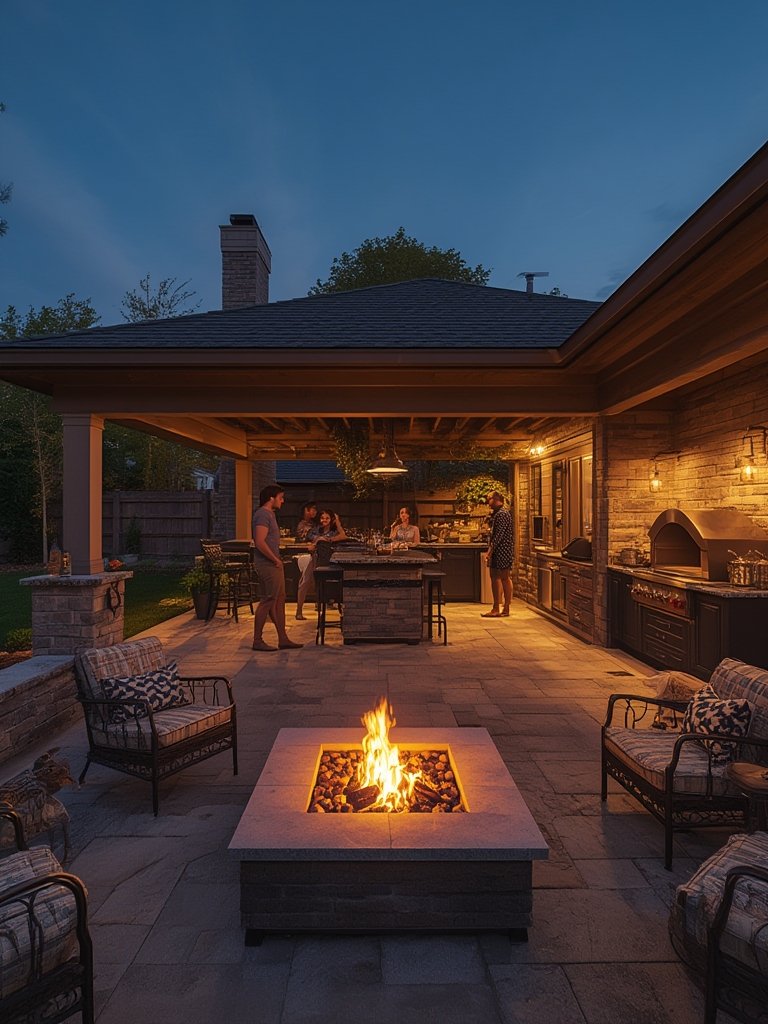
Outdoor kitchen upgrade projects combine lifestyle, entertainment, and resale value gains. Success depends on smart material selection, technical planning, compliance with safety codes, and realistic budgeting. Don’t rush decisions. Always compare installation approaches, consult local authorities about permits, and invest in durable products that stand up to your region’s climate. The right outdoor kitchen upgrade will become the heart of your backyard—and a solid investment for years to come.
Ready to start planning your dream outdoor space? Download our checklist or request a quote to bring your renovation to life—don’t let small oversights cost you big in the future.
Frequently Asked Questions
How much does an outdoor kitchen upgrade cost in 2024?
While costs vary widely by region and materials, most sources agree that outdoor kitchen upgrades are pricier than indoor kitchen cabinets due to weather-resistant construction. Plan for a minimum budget of several thousand dollars for modular units and expect custom, built-in designs to cost much more due to premium materials and skilled labor. As of 2024, specific price ranges for components like built-in grills and outdoor bars are still hard to pin down, so always obtain detailed quotes.
Do I need a permit to install an outdoor kitchen?
Permit requirements depend on your city and the complexity of your project (gas, water, electric). Always consult your local building department before starting. Cutting corners on permits can result in fines or removal of unapproved installations.
Which materials are best for outdoor kitchen durability?
Stainless steel, composite polymers, concrete, natural stone, and masonry all offer excellent weather and UV resistance. For cabinets, stainless steel is the top performer, while sealed stone or composite countertops handle the elements best. Avoid plain wood in exposed areas.
How do I maintain my outdoor kitchen over time?
Regularly clean and inspect surfaces. Re-seal stone annually. Lubricate stainless steel hinges and keep appliances covered when not in use. Drain and insulate any water lines before winter. For flooring, use washable outdoor rugs or consider stone plastic composite flooring for waterproof durability.
Can I do the installation myself?
Basic modular kitchens and appliance upgrades may be DIY, but built-in grills, electrical, and plumbing work almost always require a licensed professional. This ensures safety and code compliance.