

Ready to transform your backyard? An outdoor kitchen upgrade delivers serious value when planned realistically—but only if you avoid hidden pitfalls and set clear priorities. Here’s what you need to know before you spend a dime.
Key Takeaways
- Outdoor kitchen upgrades in 2024 average $13,000 with premium builds exceeding $30,000, yet offer 100% cost recovery according to experts.
- Common pain points include overlooked code requirements, installation complexity, weatherproofing, and maintenance challenges—not just up-front cost.
- Durable, low-maintenance materials like stainless steel and composites pay off long-term, but many homeowners underestimate ongoing care and permit needs.
- What Is an Outdoor Kitchen Upgrade and Why It Matters
- How to Plan and Execute the Perfect Outdoor Kitchen Upgrade
- Advanced Analysis & Common Pitfalls of Outdoor Kitchen Upgrades
- Conclusion
- FAQ
What Is an Outdoor Kitchen Upgrade and Why It Matters
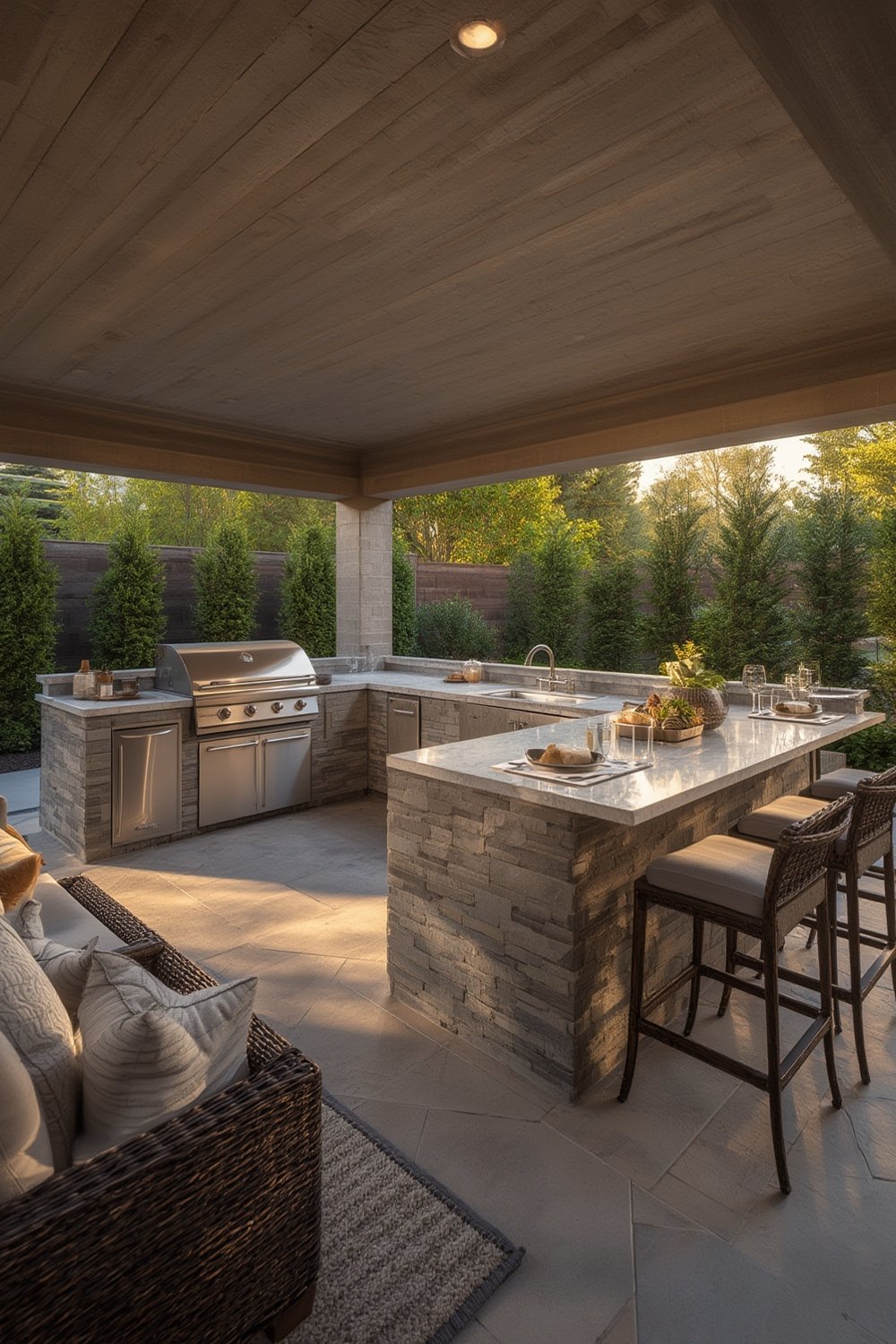
Upgrading your outdoor kitchen means designing, installing, or renovating a dedicated cooking and entertainment space on your patio or backyard. In 2024, U.S. homeowners are investing more than ever—$13,000 on average—to achieve versatile areas for grilling, lounging, and gathering with family. Outdoor kitchen upgrades now span modular kits or fully custom designs with built-in grill, refrigeration, sinks, and even smart lighting.
The appeal? According to the National Association of Realtors, the average outdoor kitchen upgrade offers a 100% cost recovery when selling your home—something indoor renovations rarely match. Millennials are leading these upgrades, but all age groups are increasing their spending thanks to rising home values and lifestyle changes driven by a $24.45 billion global market. The key is planning for function, durability, and future maintenance—not only style.
How to Plan and Execute the Perfect Outdoor Kitchen Upgrade
Maximizing your ROI and daily usability demands a practical, step-by-step approach. Here’s how homeowners can avoid regret and ensure a smooth upgrade.
- Assess Your Needs & Space
Sketch your ideal layout, factoring in space for prep, cooking, dining, and storage. Modular cabinets fit compact patios, while larger yards may suit island kitchens with multiple zones. Record sunlight patterns and exposure to wind or rain. - Set a Realistic Budget
Most outdoor kitchen upgrades land between $13,180 and $16,480 in 2024. Budget extra for utility installations and weatherproofing. Don’t forget permits and site prep costs—these can add thousands. - Check Codes and Permits
Before you break ground, research local regulations regarding gas, electrical, and fire safety. Requirements vary widely and ignoring them can lead to fines, or worse, a teardown. Always check with your local building department. - Choose Materials for Your Climate
Prioritize durability over looks: Stainless Steel Cabinets, high-density polymer, and composite cabinetry resist heat and moisture. Stone or concrete withstands extremes but can be costly. Remember, lower maintenance now means fewer headaches later. - Select Appliances and Features
Decide on a built-in grill, sink, refrigerator, and storage. Modular systems allow easy upgrades. Ensure appliances are certified for outdoor use and come with solid warranties. Consider energy-efficient lighting and smart controls to save on utility bills long-term.- Research appliance-specific energy savings, as you would with high-efficiency indoor equipment—see our guide on how to maximize savings with heat pump water heaters.
- Plan for Utilities and Drainage
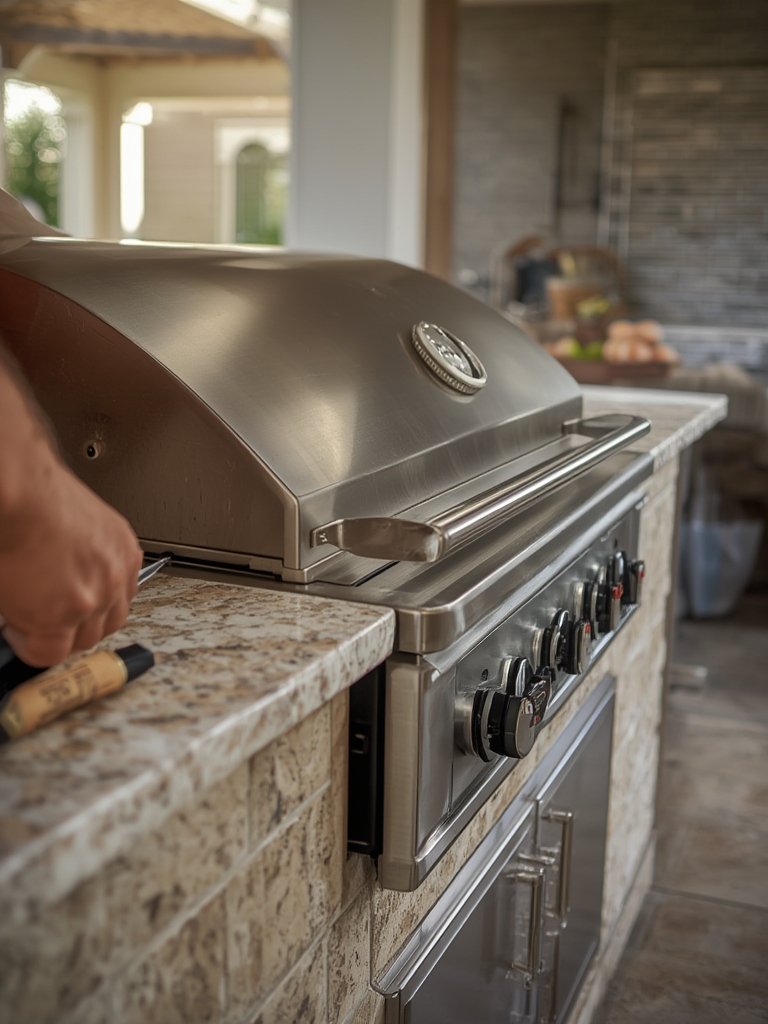
Professional installation of gas, water, and electrical lines is a must for safety. Plan routes before construction. Ventilation is non-negotiable—outdoor doesn’t mean you can skip safety codes. - Schedule Professional Installation
Most homeowners (84%) hire pros for at least part of the work. Professional installers can help streamline the approval process and ensure your kitchen meets code —minimizing costly mistakes. - Finalize and Maintain
Once installed, follow manufacturer cleaning and maintenance tips. Set a reminder for annual appliance checks. Choose non-rusting, easy-to-clean surfaces for longevity.- Protect your investment—using the right rug or pad beneath dining areas can shield floors, as explained in our washable rug guide.
For additional durability underfoot in high-traffic backyard kitchens, consider SPC flooring: it’s waterproof, impact-resistant, and easy to clean compared to traditional patio pavers.
Advanced Analysis & Common Pitfalls of Outdoor Kitchen Upgrades
Despite the promise of higher home value and improved lifestyle, many homeowners experience frustration after an outdoor kitchen upgrade. Realistic issues include:
- Complex Permitting: Codes and requirements vary by city—missing a permit can mean fines or forced changes. Always clarify with your local building department.
- Installation Delays: Custom work and field modifications lead to delays. Modular, pre-built components can minimize timelines but may not suit every space.
- Maintenance Surprises: Even “maintenance-free” cabinets require routine cleaning. Appliances can rust if not certified for outdoor use, especially in humid climates.
- Material and Durability Mismatch: Stone and wood offer luxury but demand more upkeep. Modern polymers and stainless steel win for practical, long-term use but are pricier up front.
- Inadequate Ventilation or Drainage: Skimping here risks safety issues and equipment failures.
- Warranty Gaps: Many leading brands tout durability but offer few details on long-term warranties—research before you buy.
- Misjudged ROI: Cost recovery rates are strong, but only when quality, function, and compliance come together. Cutting corners on materials or professional help risks both comfort and resale value.
| Feature/Decision | Upfront Cost Impact | Long-Term Maintenance | Resale/ROI Impact |
|---|---|---|---|
| Stainless Steel Cabinets | High | Low | Very Strong |
| Stone & Concrete Surfaces | Medium-High | Medium | Strong if weatherproofed |
| Mahogany/Wood Accents | Very High | High | Luxury, but risky for harsh climates |
| Polymer/Composite Cabinets | Medium | Very Low | Excellent |
| Smart Tech Integration | Medium | Variable | High for modern buyers |
If you’re concerned about noise near entertaining zones, using fluted panels for outdoor sound dampening can offer an unexpected edge in comfort for parties and family gatherings.
Conclusion
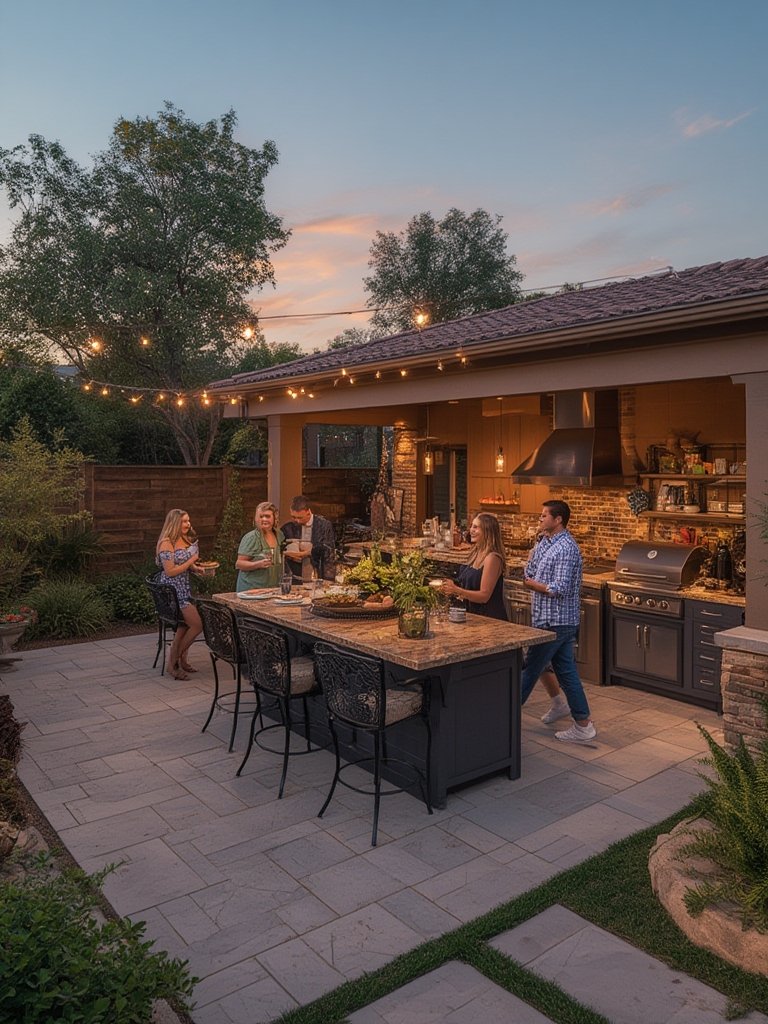
An outdoor kitchen upgrade is one of the few home improvements that can pay you back in both daily satisfaction and resale value—but success requires clear priorities, material smarts, and local code awareness. By budgeting realistically, focusing on professional installation, and choosing proven weather-resistant materials, you’ll build an outside kitchen space that actually lasts.
Ready to start your outdoor kitchen upgrade? Research your local codes, get multiple bids, and don’t cut corners on safety or materials. Questions? Explore our energy-saving guides or connect with a local pro for tailored advice.
FAQ
How much does a full outdoor kitchen upgrade really cost in 2024?
In the U.S., the average cost in 2024 is roughly $13,000, but 22% of homeowners spend over $30,000 for premium builds. Your price will depend on size, features, materials, and local labor rates.
Do I need a permit for an outdoor kitchen upgrade?
In most regions, yes—especially for any project involving gas, electrical, drainage, fire features, or permanent structures. Code compliance is critical for safety and resale value, so always check with your local building department before starting.
Which materials are best for durability and easy maintenance?
Stainless steel, composite or polymer cabinets, and stone work surfaces rate highest for weather and rust resistance. Avoid untreated wood in exposed areas unless you’re committed to regular maintenance and sealing.
What are the most overlooked challenges with outdoor kitchen upgrades?
Common regrets include failing to plan utility lines up front, skipping permits, and underestimating cleaning needs. Extra effort spent on layout, appliance selection, and drainage pays off for years.
Can I reduce energy use in my outdoor kitchen?
Yes. Choose Energy Star-certified refrigerators and LED outdoor lighting. Smart outlets and well-planned appliance usage also help, similar to strategies described in our energy savings guide for laundry appliances.