

Outdoor kitchen on a budget projects are becoming the go-to solution for homeowners who want an outdoor cooking space without overspending. The truth is, building an affordable outdoor kitchen can be done—but only if you know where the real costs and risks hide. This guide offers a practical, no-nonsense roadmap to planning, building, and actually finishing an outdoor kitchen that saves money while avoiding costly surprises.
Key Takeaways
- DIY outdoor kitchens can cost 40%–60% less than professional builds, but only if you plan for hidden utility and permitting expenses.
- Most budget headaches come from underestimating required tools, local code or permit surprises, and weather-damage to affordable materials.
- Prefab grill islands and cinder block construction are the best bets for balancing cost, longevity, and DIY feasibility.
- What Makes an Outdoor Kitchen on a Budget Work?
- How to Build: Step-by-Step Guide
- Pitfalls, Challenges, and Cost Comparison
- Conclusion
- FAQs
What Makes an Outdoor Kitchen on a Budget Work?
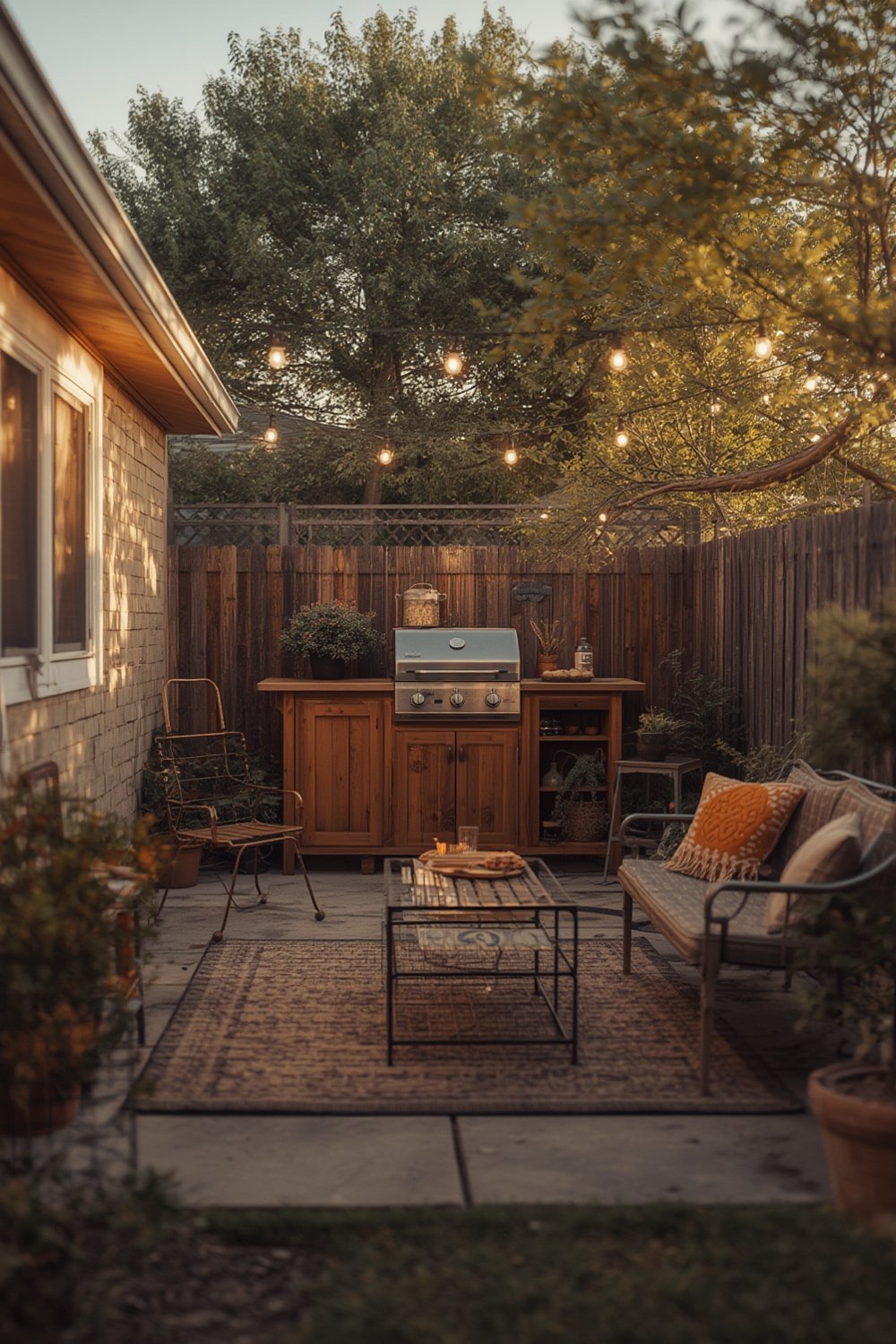
A budget outdoor kitchen means stripping the project down to essentials: a sturdy cooking area, some weather-resistant prep space, and basic storage for grilling tools—all without luxury appliances or complex utilities. According to recent data, DIY setups with a grill, countertop, and simple cabinets can start as low as $950, but most realistic builds range between $4,000 and $10,000, excluding labor fees [source].
The biggest cost factors are the size of your kitchen, the materials you select (concrete, stone, metal), and whether you add extras like plumbing, electrical, or built-in storage. Choosing prefab modular kits can lower upfront expenses, but these often mean sacrificing on long-term durability or flexibility. Always budget for permits and hidden utility extensions—these can derail even the tightest plan. See our proven outdoor kitchen upgrade guide for resale-focused advice.
How to Build: Step-by-Step Guide
1. Plan the Layout and Budget
Sketch your kitchen on graph paper, marking grill, countertop, and any appliances. Set a firm budget, adding at least 15% for overruns.
2. Choose Your Build Method
- Prefab Kit: Simplest for starters. Expect $2,000 for a basic grill island, but minimal storage or longevity (more info).
- Cinder Block/DIY Masonry: Makes custom shapes possible; stronger and cheaper long-term at $200–$400 per square foot.
3. Prep the Site
Level the ground or reinforce your deck. Lay a concrete foundation if needed—skipping this step causes settling and instability.
4. Build the Framework
Stack cinder blocks using mortar for the walls. Reinforce with rebar at corners and under grill locations to hold weight. Prefab kits often snap together, but double-check with a level for safety.
5. Run Utilities (optional but plan ahead)
Bringing in gas or new electrical? Get quotes first; costs jump fast with trenching or new circuits. Inspections, permits, and code compliance are mandatory—hidden fees can reach $2,000–$5,000 for even small kitchens (see estimate breakdown).
6. Countertops & Finish Work
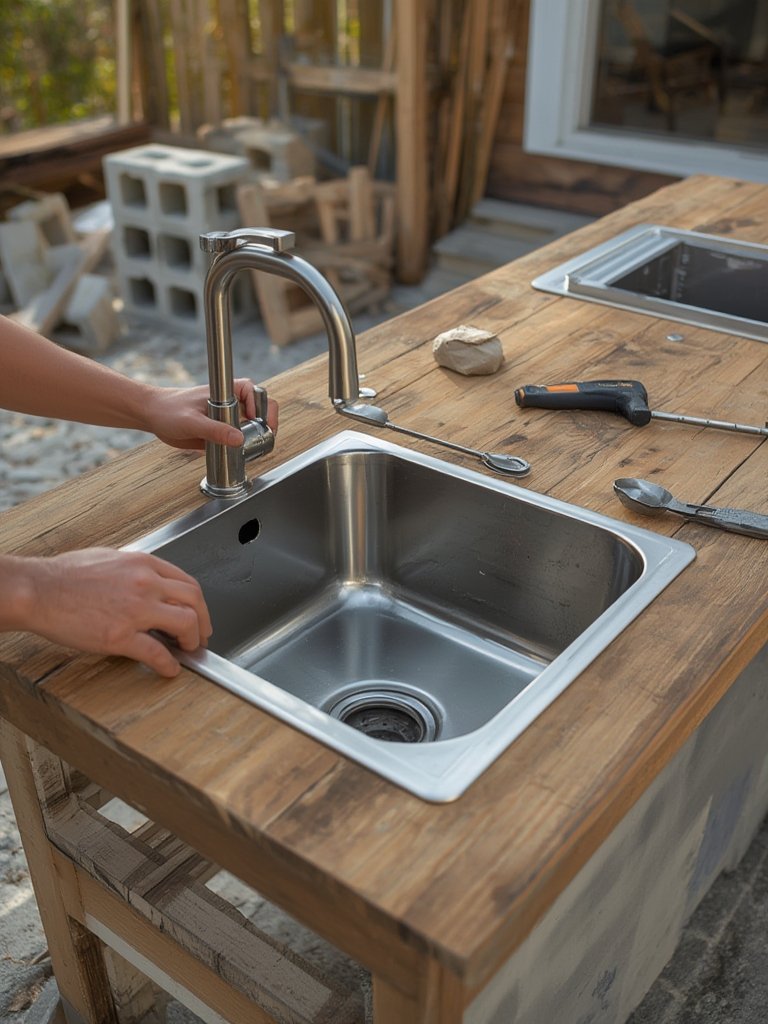
Concrete counters are the best value for weather-resistance and DIY installation. Prefab stone slabs are also practical—skip luxury granite or quartz to keep costs low (detailed countertop guide). Avoid wood surfaces—they won’t last outdoors.
Want more on clever storage for outdoor spaces? Review our storage cabinet organization secrets to maximize efficiency even in small kitchens.
7. Install the Grill and Appliances
Slide-in grills work best; be sure to ventilate gas units. Secure sinks, storage doors, and any built-in small fridge or cooler. Read appliance warranties—DIY installs can void coverage.
8. Seal and Weatherproof Everything
Caulk all gaps, use stone sealer, and consider covers for appliances. Frugal materials need extra protection in wet or freezing climates.
Pitfalls, Challenges, and Cost Comparison
Going budget doesn’t mean skipping planning. Here are the real-world challenges, hidden costs, and a side-by-side look at cheap prefab kits versus DIY cinder block builds.
Common Pitfalls Homeowners Face
- Skipping Permit Steps: Fines or forced removal if you miss required inspections—especially for gas/electrical (video proof).
- Ignoring Deck Support: Raised decks may not handle the weight of stone or masonry without extra joists.
- Cheap Materials Don’t Last: Entry-level prefab kits or bargain counters often crack, rust, or rot within a year.
- Hidden Utility Costs: Extending gas lines or adding new circuits can double your budget—expect $1,000–$3,000 on top of materials.
- DIY Skill Overload: Without masonry/carpentry basics, mistakes cost time and potentially safety (read the warnings).
Budget Outdoor Kitchen Kit Comparison
| Kit Type | Average Cost | What You Get | Durability |
|---|---|---|---|
| Basic Prefab Grill Island | $1,750 – $2,000 | 1 grill, small prep counter, little storage | Minimal weatherproofing; 1–3 years service on average |
| Entry-Level Modular | Under $2,000 (few options) | Drop-in grill, base cabinets, no extras | Low-end materials, higher risk of rust/damage |
| DIY Cinder Block Build | $3,500 – $6,500 (materials only) | Custom layout, superior counter, more storage | 10+ years with proper sealing and maintenance |
For even more tips on maximizing tricky indoor and outdoor spots, see our hidden pantry storage guide and garage shelving solutions.
Curious about integrating wellness features in your backyard? Review our outdoor wellness space strategies to create a true retreat.
Conclusion
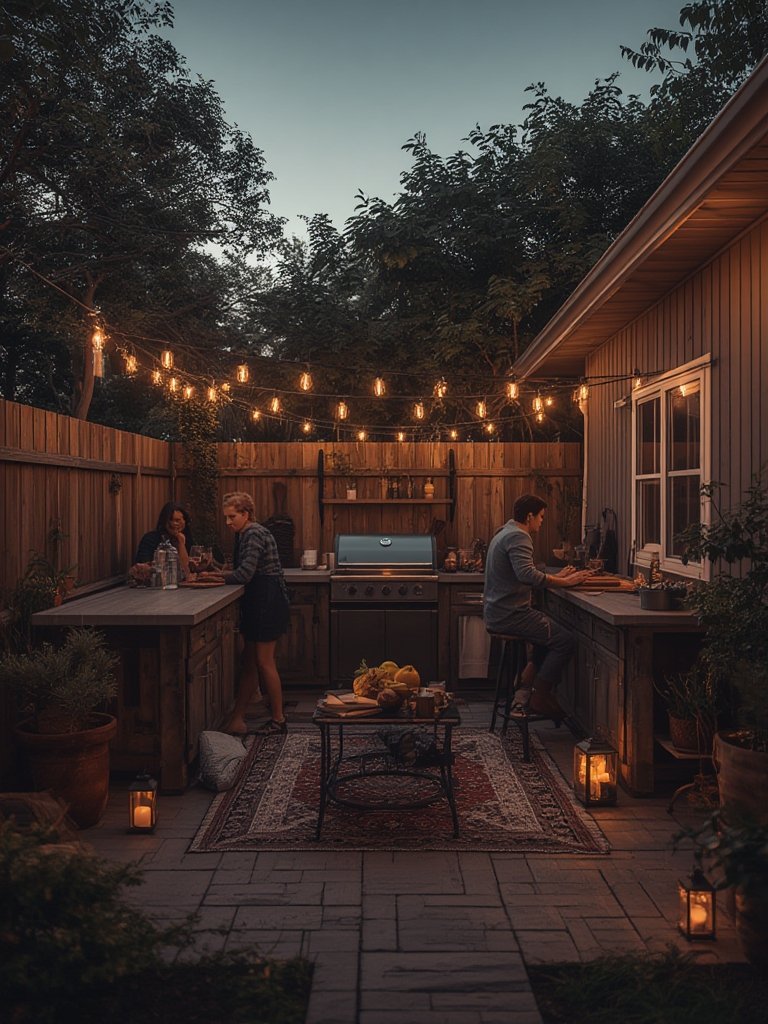
Building an outdoor kitchen on a budget is entirely possible with a pragmatic plan, steady execution, and realistic expectations. Be upfront about hidden costs like permitting and utilities, invest in well-sealed durable materials, and don’t hesitate to ask a professional for a one-hour consultation to spot risks. Ready to start your own build? Download our free checklist, explore our organization hacks, and let us know how your project turns out below!
FAQs
How much can I really save with a DIY outdoor kitchen versus hiring a pro?
Homeowners often save 40%–60% by handling the labor themselves. However, savings can shrink fast if you make mistakes, need utilities added, or have to redo work due to code violations.
Do I always need permits for a budget outdoor kitchen?
Yes, especially for anything with new gas hookups, electrical lines, or plumbing. Fines for skipping permits can be substantial, and projects can be halted by inspectors.
What cheap countertop material lasts best outdoors?
Concrete is the most affordable and weather-resistant for DIY use. Basic stone slabs are a solid alternative if you can find discounted or surplus pieces.
Will prefab grill islands under $2,000 hold up in bad weather?
Most budget prefab kits use less durable materials and may only last 2–3 years in harsh climates without extra protection and regular maintenance.
Can I build an outdoor kitchen on a raised deck?
Yes, but you must review and reinforce the deck’s structure. Standard decks rarely support the weight of stone or concrete builds without modifications.