

Natural stone bathroom design has become a status symbol for luxury renovation, but not every stone is equal and the challenges often surprise even savvy homeowners.
Key Takeaways
- Not all natural stones perform equally in wet bathroom environments—porosity, sealing, and maintenance are critical for durability.
- Real-world daily care for a natural stone bathroom is more demanding than most expect; proper routines extend the lifespan but require consistency.
- Ignoring stone sourcing, integration, or surface innovations can leave both environmental value and easy-care potential untapped.
- What is a Natural Stone Bathroom?
- Step-by-Step Guide to a Stone Bathroom That Lasts
- Advanced Analysis & Common Pitfalls
- Conclusion
- FAQ
What is a Natural Stone Bathroom?
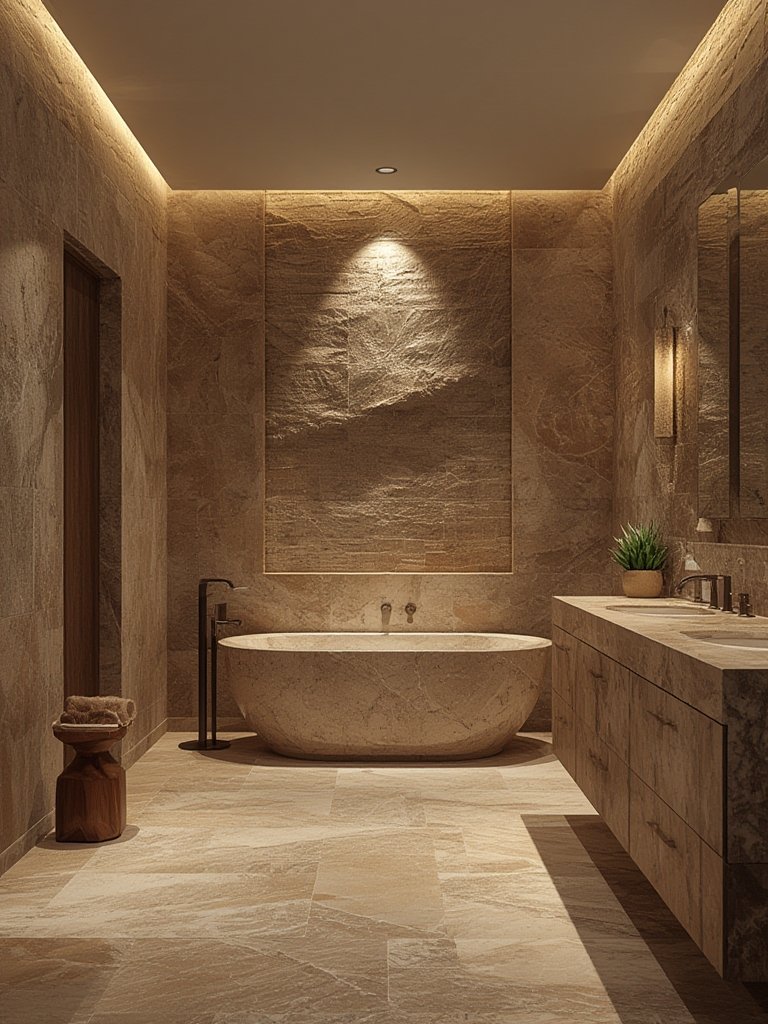
Natural stone bathrooms use authentic materials like marble, granite, limestone, and travertine for walls, floors, showers, and vanity surfaces. These bathrooms stand out for their organic patterns, tactile feel, and timeless look. But going natural isn’t just about beauty. It also means ongoing attention: each stone type comes with distinct performances against water, staining, and everyday wear.
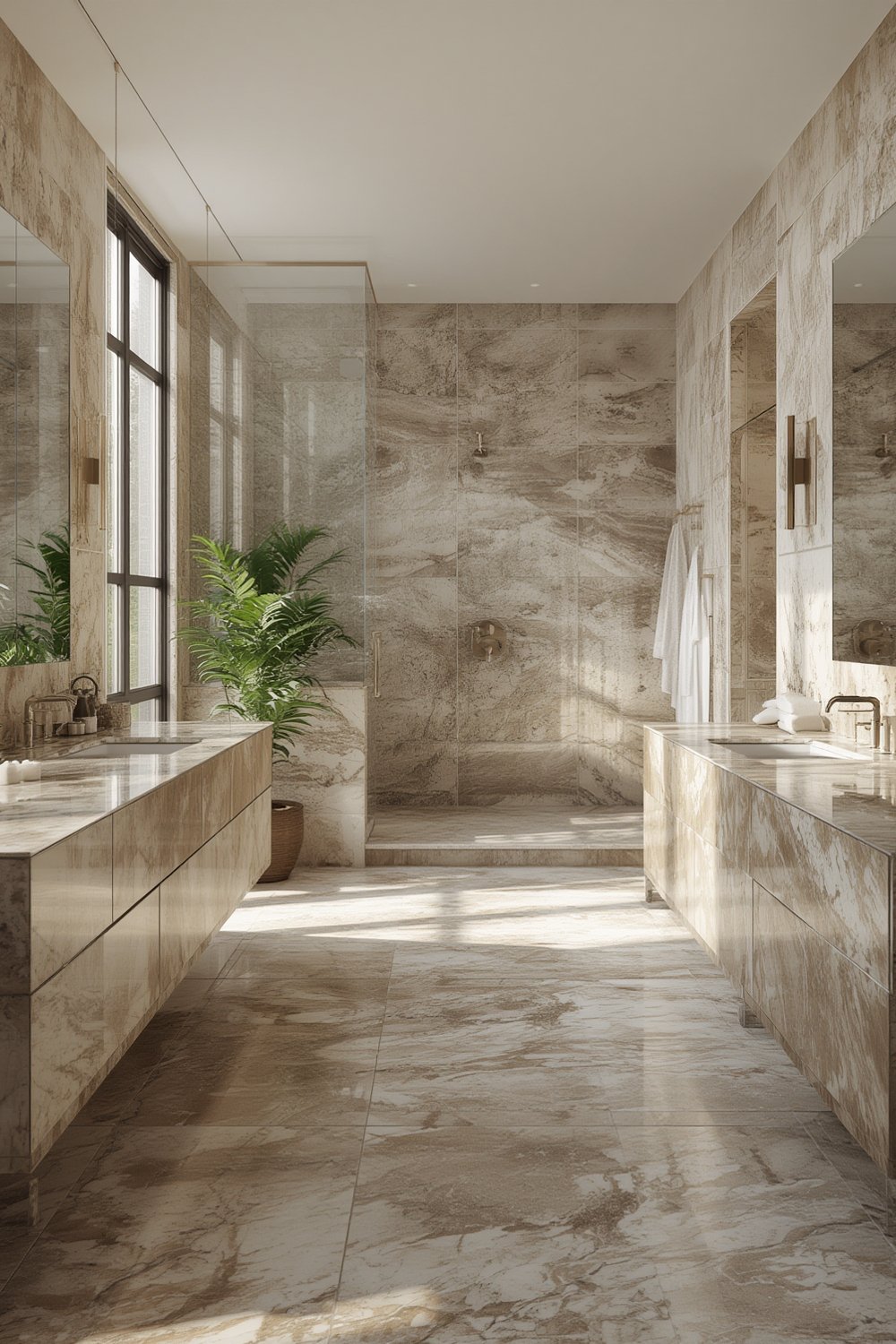
Some stones thrive in showers and wet areas, resisting stains and water penetration. Others demand regular sealing and careful cleaning to avoid discoloration or etching. Poor stone selection or haphazard installation can degrade your investment fast.
While pop-culture images make natural stone bathrooms look effortless, wise homeowners know that lasting value comes from understanding which stones suit which use, maintenance realities, and how to protect resale value by avoiding hidden regrets.
Step-by-Step Guide to a Stone Bathroom That Lasts
Bringing a natural stone bathroom vision to life—and keeping it beautiful—means making informed choices from the very first step. Here’s how to plan for style and success:
- Decide on Use & Placement
Walls and countertops face less splash damage than showers and floors. Choose denser, less-porous stone for wet zones and reserve decorative softer stones for accents or low-traffic areas. - Select the Right Stone for Wet Areas
Granite is best for wet bathrooms as it resists water and stains when sealed. Marble, limestone, and travertine can work—but frequent sealing and gentle cleaning are mandatory to avoid dulling and stains. - Vet Your Stone Source & Fabricator
Ask for documentation on ethical or eco-sourcing if sustainability matters. Choose experienced fabricators—installation errors often cause cracks or leaks, leading to headaches and expensive fixes. - Seal Thoroughly—Then Reseal
Even “low porosity” stones need initial professional sealing. Mark your calendar for resealing every 6-12 months in shower or splash-prone spots. - Set Daily Maintenance from Day One
Wipe spills fast, use only pH-neutral stone cleaner, vacuum grit, and use mats in busy or wet areas. - Never Use Acidic or Abrasive Products
No vinegar, lemon, bleach, or off-the-shelf bath scrubs—acids cause dullness and etching. Stick to microfiber cloths or mops. - Insist on Professional Deep Cleaning Every Year
This is vital to remove embedded stains, renew sealant, and restore surface shine safely.
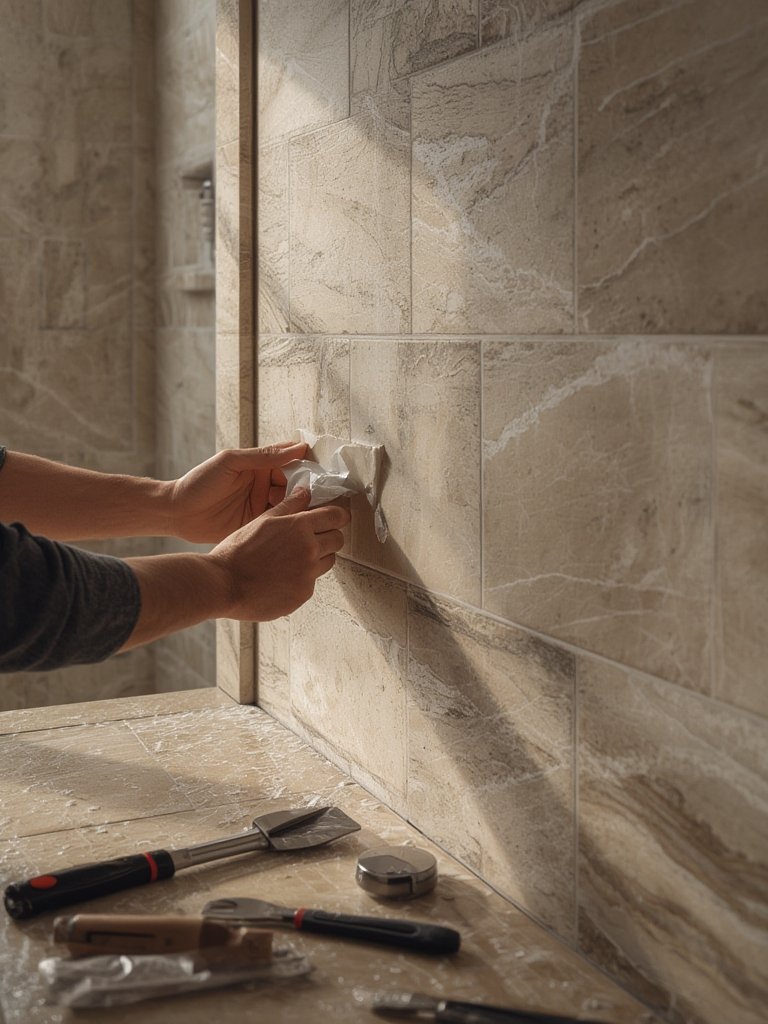
Proper planning makes natural stone a luxury you can truly enjoy—not a source of costly regret. For bonus peace of mind, consult your installer about adding antislip surface treatments, which can reduce slip risk in polished stones without ruining their look.
Want to maximize other elements in your bathroom’s performance and style? For durability and moisture resistance, upgrading floors to SPC (stone plastic composite) flooring in adjacent rooms is a smart, waterproof option.
Advanced Analysis & Common Pitfalls
Most homeowner complaints about natural stone bathrooms fall into a few predictable themes. Here’s what the research shows and how you can avoid major mistakes:
- High-porosity stones (like limestone, marble, and sandstone) stain or absorb water rapidly unless sealed and maintained constantly. Source
- Marble scratches and etches easily from soap, hard water, or even acidic skin-care drops, leaving dull spots that often require costly honing. Source
- Granite is stronger but can break or chip at edges if installed poorly—DIY jobs usually fall short.
- Homeowners frequently regret the ongoing sealing and careful daily cleaning that porous stones require, especially compared to modern materials.
- Using the wrong cleaners (like vinegar-based sprays) can permanently etch and mark stone that is otherwise pristine. Source
- Omitting waterproofing below stone in wet areas risks leaks and mold behind the surface.
| Stone Type | Porosity | Stain Risk | Slip Resistance* | Primary Maintenance Needs |
|---|---|---|---|---|
| Granite | Low | Low (sealed) | Moderate (unpolished best) | Damp mop, quick wipe-ups, annual reseal |
| Marble | High | High | Low (polished is slippery) | Gentle-only cleaning, regular resealing |
| Limestone | Very High | Very High | Low (unless textured) | Frequent sealing, pH-neutral care |
| Travertine | Very High | Very High | Variable (tumbled is safest) | Fill voids, reseal often, gentle cleaners |
*Slip resistance varies. For safety, opt for honed, textured, or tumbled finishes in wet zones rather than polished.
Stone slab installations can look seamless but require expert handling and can’t be repaired once cut or chipped. Large-format tiles are more forgiving. For an easy-care alternative, see our expert take on SPC flooring’s durability in bathrooms.
If acoustic comfort matters, consider combining stone with fluted wall panels outside the wet zone to reduce echo and improve sound quality.
Conclusion
Natural stone bathrooms deliver bold luxury and enduring character—if you pick materials wisely and maintain them diligently. Understanding stone porosity, sealing routines, and daily care are essential for avoiding the most common pitfalls. For many, the authentic beauty and long-term value of a natural stone bathroom outweigh the extra effort, provided you go in with clear eyes. Ready to make your space timeless and functional? Talk to a trusted installer and use the steps above to make every choice count.
If you want to enhance overall efficiency and comfort further, check out our proven guides on heat pump water heaters or discover simple ways to save space with a ventless washer dryer—two more ways to add lasting value and convenience to your home upgrade.
FAQ
Which natural stone is best for a shower wall?
Granite is the most practical choice for shower walls. It has lower porosity, so it’s less likely to stain or suffer water damage when sealed properly, unlike marble or limestone which require very high maintenance and frequent resealing.
How often do I need to seal a stone bathroom?
Most stone bathrooms need resealing every 6-12 months, especially in wet zones like showers. High-traffic areas or highly porous stones may require sealing even more often. Always check with your installer or test water absorption yourself.
What’s the biggest maintenance mistake with natural stone?
The most common mistake is using acidic or abrasive cleaning products (like vinegar or standard bathroom sprays), which can etch, dull, or permanently damage the surface. Always use pH-neutral stone cleaners with soft cloths or mops.
Is natural stone slippery in a bathroom?
Polished stone (especially marble and granite) can be very slippery when wet. To reduce slip risk, choose honed or textured finishes or add anti-slip treatments. Floor mats and washable rugs also help, especially in entry and exit paths.
Does a natural stone bathroom add resale value?
While solid data is limited, well-maintained natural stone bathrooms are attractive to luxury buyers and can boost perceived value—if the stone is in good shape and properly installed. Poorly maintained or stained stone can deter buyers.