

Kitchen island storage is now a top priority in modern home design, offering more than just a spot for meal prep—it’s the key to a functional and adaptable kitchen. If you want a clutter-free, organized, and sociable kitchen space, understanding and optimizing your kitchen island storage can make an immediate, lasting impact.
Key Takeaways
- Kitchen island storage is trending in 2024, combining organization, functionality, and style in one centerpiece.
- Planning is essential—many homeowners overlook critical technical and cost considerations when adding advanced storage features.
- Integrated power, pullout tables, and open shelving are rising in popularity, though some solutions can be challenging or costly to install.
- What Makes Kitchen Island Storage So Important?
- How to Plan and Upgrade Your Kitchen Island Storage
- Analysis, Mistakes, and Pitfalls: Real-World Insights
- Conclusion
- Frequently Asked Questions
What Makes Kitchen Island Storage So Important?
Kitchen islands have evolved from simple prep stations to multifunctional hubs. Storage is now at the heart of these upgrades. According to the National Kitchen & Bath Association (NKBA) 2024 Design Trends Report, more than 48% of designers listed large islands as a top kitchen priority for serving and dining. Storage optimization remains a strong homeowner demand.
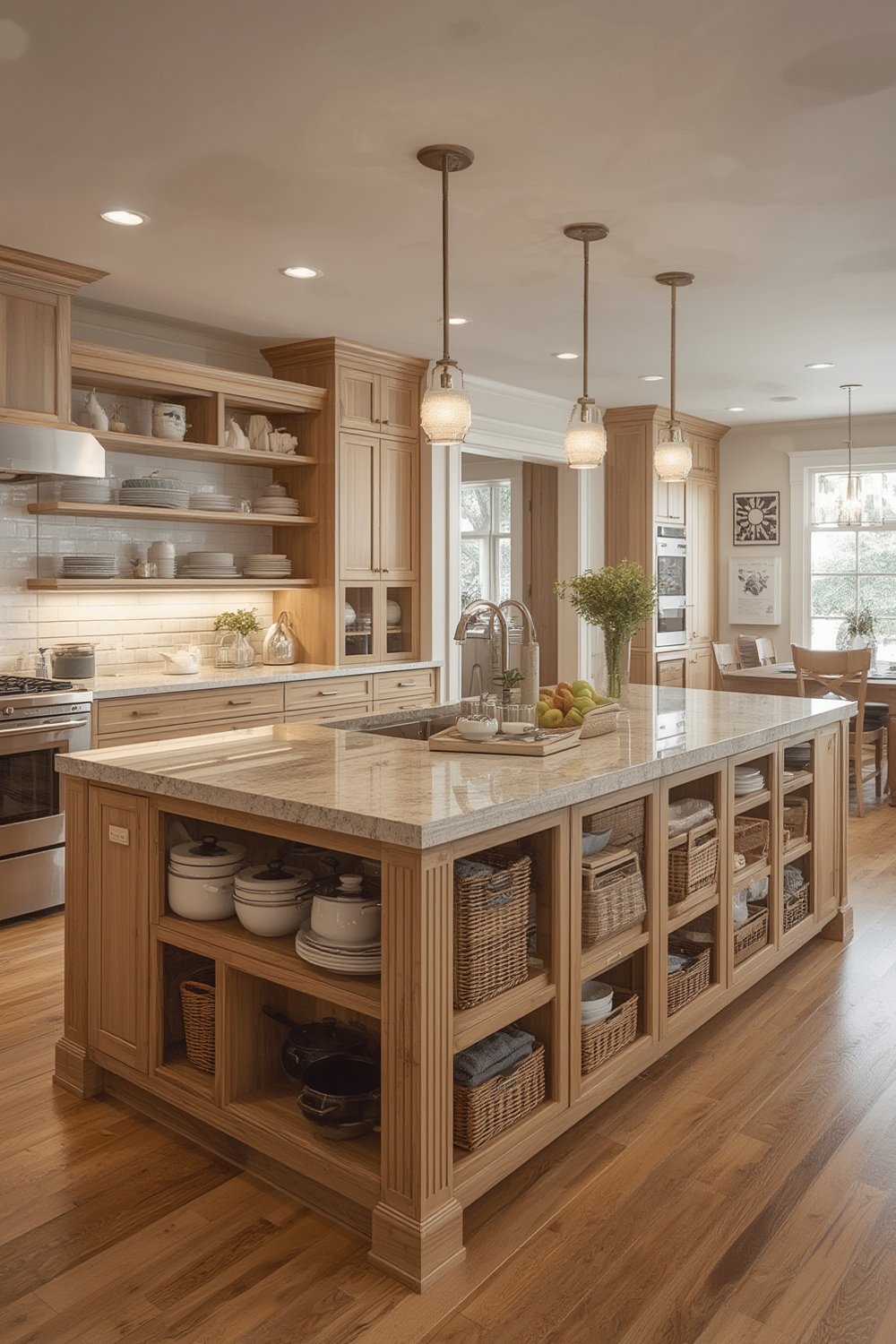
But it’s not just about adding more drawers or cabinets. Homeowners want flexible, organized solutions—pullouts for pots and pans, hidden trash, Built-in charging stations, and open shelving for looks and easy access. The goal: maximize usable space while supporting daily routines and entertaining guests.
These islands are the centerpiece for cooking, gathering, working, and storing essentials. Yet the wrong layout, lack of power, or poor access can turn a dream upgrade into a daily nuisance. Smart storage choices can also impact your kitchen’s energy efficiency and comfort—similar to upgrading a heat pump water heater to boost energy savings.
How to Plan and Upgrade Your Kitchen Island Storage
Effective kitchen island storage starts with a clear plan. Follow this step-by-step guide to avoid regrets and maximize every inch of space:
- Assess Your Space and Goals
– Measure the available floor space. Factor in walking paths and seating.
– Decide, honestly, if you need more prep space, storage, seating, or appliance access. - Choose Storage Types for Your Needs
– Deep drawers for pots and pans.
– Slide-out shelves for small appliances.
– Integrated trash/recycling bins.
– Open shelving for style and usability (see this 2024 trend roundup). - Add Multifunctional Upgrades
– Pullout or extendable work tables.
– Built-in charging stations or electrical outlets (mind local codes).
– Prep sinks or mini-fridges. - Review Technical Requirements
– Plumbing and electrical needs for sinks, outlets, or appliances.
– Reinforced support for heavy countertops (especially stone or concrete).
– TMP: Don’t overlook ventilation requirements near stoves or cooktops. - Create a Flexible Layout
– Modular or movable islands can be a smart option, especially in smaller spaces (trend overview here).
– For ultra-high-traffic homes, consider durable and easy-to-maintain options like SPC flooring for easy cleanup. - Plan for Lighting and Power
– Install task lighting above prep areas.
– Confirm any electrical upgrades are handled before cabinetry is finished. - Finalize and Review Your Budget
– Price out cabinetry, specialty hardware, outlets, plumbing, and finishes.
– Allow at least 10% extra for unexpected expenses.
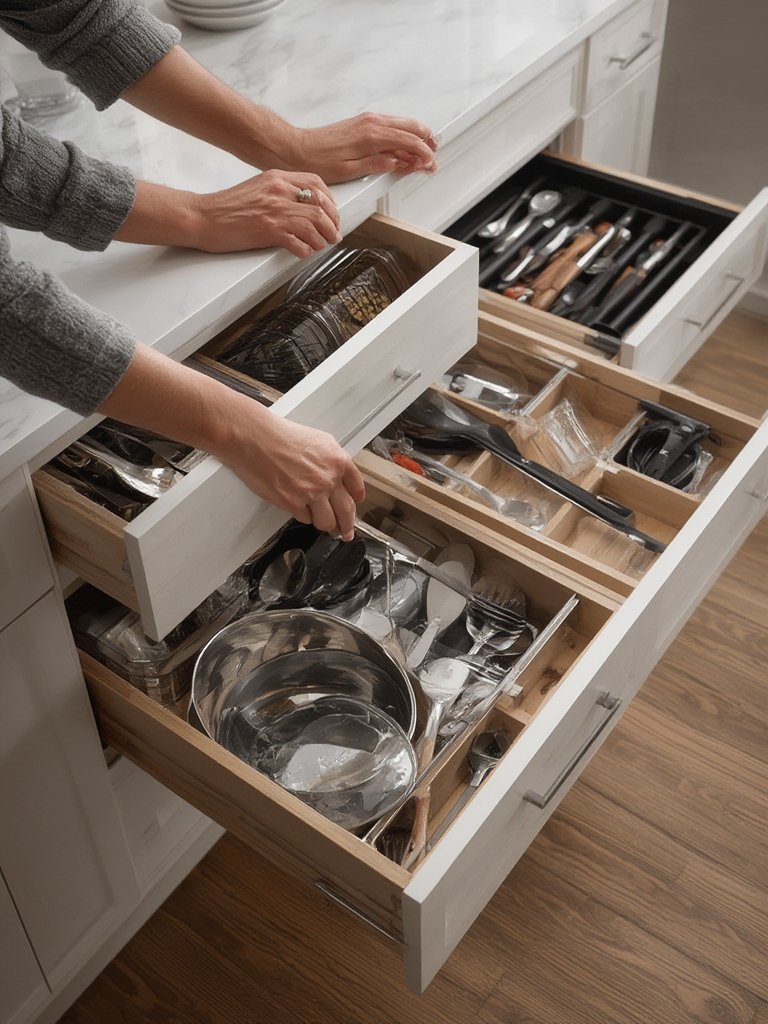
Incorporate easy-clean solutions with your island upgrades. For example, install a washable rug underneath your kitchen island to protect flooring and add comfort without sacrificing maintainability. Modular islands work especially well in small spaces—see also the benefits of compact, ventless washer-dryer combos for maximizing limited square footage.
Analysis, Mistakes, and Pitfalls: Real-World Insights
While the appeal of a beautifully organized island is strong, many homeowners run into real challenges:
- Hidden Costs: Advanced storage, like pull-outs and hidden appliances, often require custom cabinetry and skilled trades, but price estimates are scarce. Be prepared for installation and material costs to rise quickly if you add electrical, plumbing, or unique hardware.
- Technical Barriers: Many trend articles fail to warn about necessary electrical or plumbing upgrades. Adding a sink, refrigerator, or power outlets will likely require permits and pros. Cutting corners with DIY wiring or plumbing can cause serious long-term issues.
- Limited User Feedback: Few sites publish user reviews or real pain points, but we know from remodel forums that poorly planned islands (wrong cabinet depths, unreachable outlets, awkward corners) frustrate owners.
- Accessibility Issues: Deep drawers may look stylish but can be hard to access unless you’re tall—or unless they come with full-extension glides. Overhead or open shelving is great for looks but challenging if you have any mobility restrictions.
- Durability Concerns: Open shelves and exposed storage can become dust magnets or get battered by daily kitchen activity, especially in homes with kids or pets. Choose materials designed for long-term use, similar to strategies for maintaining durable acoustic wall panels.
| Feature | Pros | Cons |
|---|---|---|
| Deep Drawers | Great for pots, pans, small appliances. Easy access. | Can be costly, need strong hardware. Heavy when filled. |
| Open Shelving | Trendy, easy to grab items, airy look. | Collects dust, shows clutter, not always secure. |
| Pull-Out Trash/Recycling | Hides bins, keeps kitchen tidy, ergonomic. | Needs sturdy slides, may require custom install. |
| Prep Sink | Boosts function, ideal for chefs/multi-cook homes | Complex plumbing, risk of leaks, adds cost. |
Competitors rarely discuss these pitfalls. Cost-benefit analysis, installation headaches, and accessibility concerns are often ignored in glossy design guides. Seek out real feedback and technical details before starting. For more on maximizing space and built-in flexibility, see lessons from a ventless washer dryer for energy and space savings.
Conclusion
Kitchen islands with smart storage offer both beauty and efficiency, but careful planning is critical. Assess needs, plan every detail, and factor in technical requirements before building. Investing in the right kitchen island storage will make your kitchen more flexible and enjoyable for years to come.
Ready to maximize your kitchen’s potential? Start by listing what you need to store and sketching your ideal island layout. Explore our proven guides on durable kitchen flooring or energy-efficient appliances to complement your upgrade. Your kitchen island storage is the first step to a smarter, more welcoming home—act now!
Frequently Asked Questions
What storage features add the most value to a kitchen island?
Deep drawers, pull-out shelves, and integrated trash/recycling bins add high functionality. Built-in charging stations and open shelves provide modern appeal and versatile storage, matching 2024 home design trends.
How much space do I need on each side of a kitchen island?
Allow at least 36-42 inches of clearance on each side for safe and comfortable traffic flow around your island. This applies even if your island has seating.
Are open shelves on islands practical?
Open shelves are stylish and make grabbing everyday items fast, but they collect dust and can look cluttered if not maintained. Great for decorative storage, less ideal for heavy-use kitchens.
Do I need a pro to install electrical outlets or a sink in my kitchen island?
Yes. Adding outlets or plumbing to a kitchen island usually requires a licensed electrician or plumber and may need permits. This ensures your island is safe, code-compliant, and reliable for daily use.
Is a modular or movable kitchen island a good idea for small spaces?
Yes. Modular islands offer flexibility and allow easier reconfiguration if your needs change. They’re especially useful when paired with compact appliance solutions, inspired by ventless washer-dryer units for small homes.