

Home air quality monitor ownership is on the rise, but most homeowners still underestimate the daily contaminants they breathe. Understanding real metrics, integration options, and emerging pitfalls helps you ensure that you’re actually improving—not just monitoring—the air you and your family breathe.
Key Takeaways
- The global home air quality monitor market is growing steadily, driven by North American adoption and fast expansion in Asia Pacific.
- Top 2026 models focus on tracking multiple pollutants (PM2.5, CO2, VOCs), but standards and true long-term reliability data remain scarce.
- Smart integration is common, but effectiveness depends on accurate calibration, placement, and pairing with air improvement strategies.
- Understanding Home Air Quality Monitors: What & Why
- How To Use a Home Air Quality Monitor: Step-by-Step Guide
- Advanced Analysis & Common Pitfalls
- Conclusion
- FAQ
Understanding Home Air Quality Monitors: What & Why
Home air quality monitors are compact, sensor-equipped devices that measure real-time concentrations of harmful particles and gases inside your home. Common pollutants tracked include particulate matter (PM2.5, CO2, and VOCs), temperature, and humidity. In 2026, the demand for these monitors is driven by increased health awareness, more frequent wildfire smoke events, and airtight home construction that traps pollutants indoors.
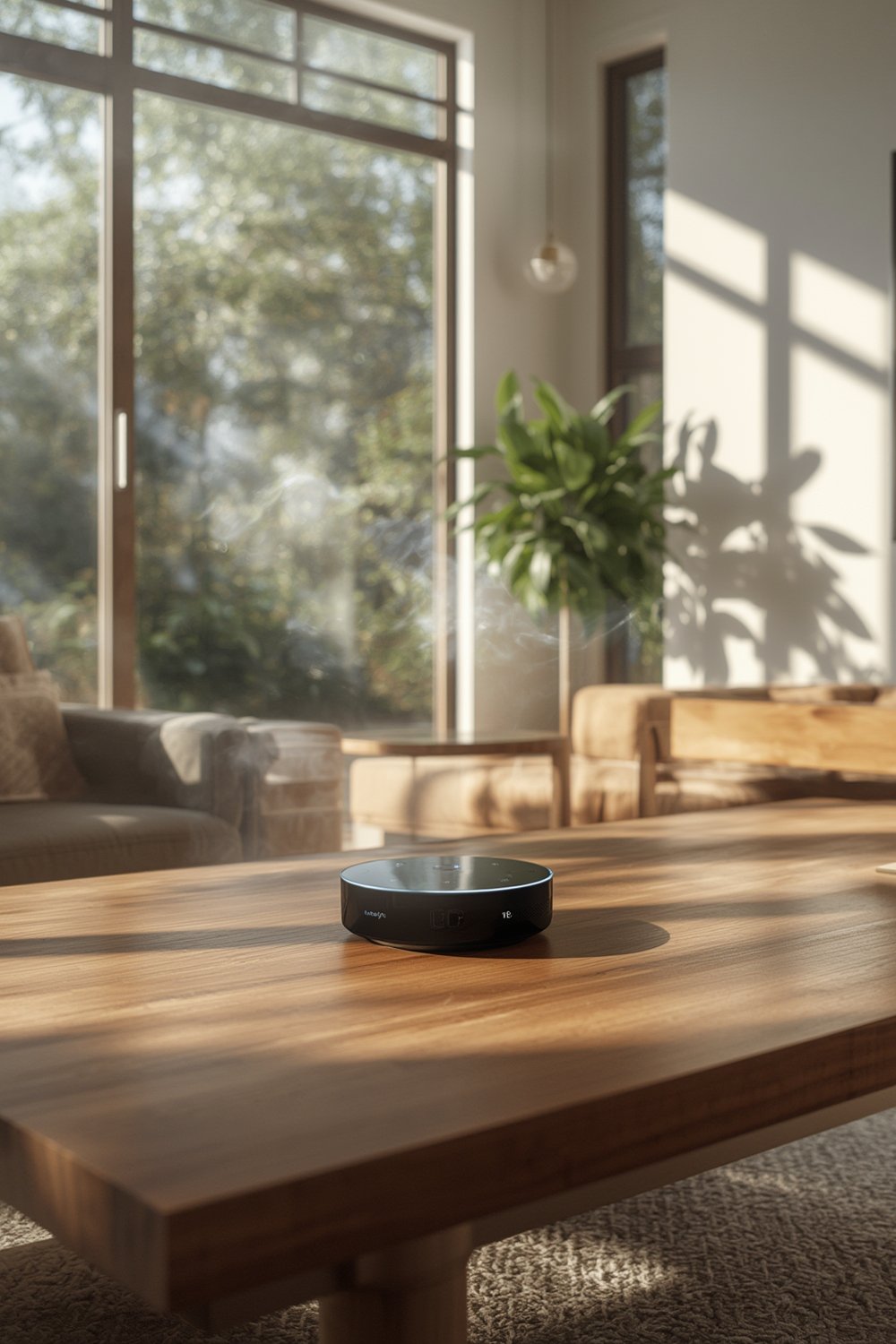
The global home indoor air quality monitor market is projected to grow from $732.72 million in 2026 to over $1.2 billion by 2035, with North America leading, thanks to government incentives and public health campaigns (source). The rise of green buildings and smart home devices has made it easier for homeowners to monitor indoor air and automate ventilation or air purification. Asia Pacific is seeing the fastest year-over-year adoption, spurred by stricter urban air quality rules and rapid smart city development (source).
Consumers who invest in a home air quality monitor tend to seek ongoing reassurance about their environment, immediate notifications of issues (like high CO2 at night), and data-driven recommendations for action. However, effective use depends not just on hardware, but also on smart placement, meaningful integration, and understanding what the numbers truly mean.
For those focused on holistic home upgrades, integrating air monitoring ties directly into improved wellbeing—alongside healthy storage (cabinet organization), advanced cleaning (handheld vacuum solutions), and even wellness-oriented bathroom transformations (spa bathroom features).
How To Use a Home Air Quality Monitor: Step-by-Step Guide
- Select the right device. If you want actionable results, choose a model that measures multiple pollutants simultaneously. Look for PM2.5, CO2, and VOCs at minimum. Smart integration with your existing platforms (Apple HomeKit, Google Home, Alexa) makes automation easier.
- Install in effective locations. Sensors should be placed away from direct vents, windows, and doors. Good locations include bedrooms, living areas, and spaces prone to pollution (like kitchens or basements).
- Set up the mobile app and cloud features. Link your monitor to its mobile app or cloud dashboard for 24/7 access and alert settings.
- Calibrate before trusting the readings. Most monitors perform a short on-board calibration. Air out the room before, and run the device for a few hours before making changes based on the numbers.
- Pair with ventilation and purification solutions. Data is only actionable if you respond. Link your monitor to smart purifiers or your HVAC system if possible, so bad readings trigger improvements—preferably with models designed for automation.
- Track history and adjust habits. Review long-term data to spot trends. Increased VOCs every time you use certain cleaners? Spike in CO2 overnight? Smart usage is proactive, not just reactive.
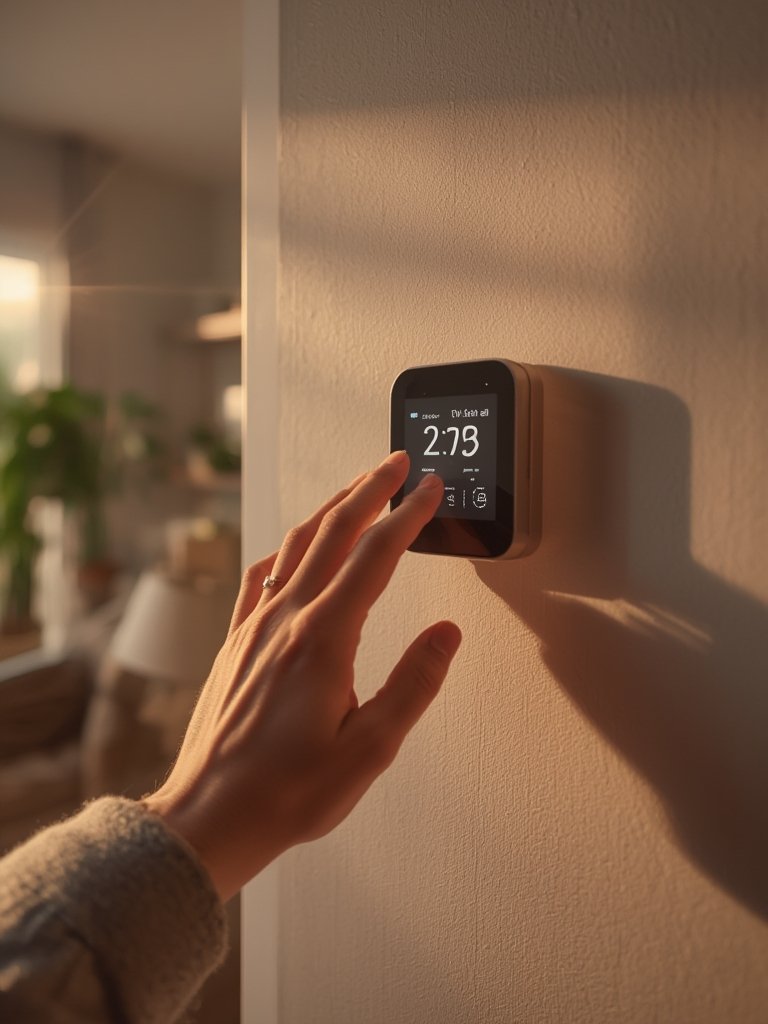
To maximize cleanup after a poor reading, combine smart alerts from your monitor with a cordless handheld vacuum on soft furnishings or HEPA-equipped portable air filters. For long-term improvements, integrate monitor alerts with smart HVAC control—for example, using a smart thermostat that triggers extra ventilation during high pollution spikes.
Beyond particle readings, many monitors now offer cloud-based recommendations—for instance, to schedule deep cleaning or to open windows only when outdoor readings are safe. Connect this data with cleaning routines, especially if you’re also tackling dust-prone storage areas like bookshelf organizers or dresser drawers.
Advanced Analysis & Common Pitfalls
Despite the rapid growth in adoption, buying a home air quality monitor in 2026 still brings challenges:
- No universal standards or certifications — Unlike smoke detectors, no consistent benchmarks (like UL listing or EPA certification) apply across all monitor brands. This makes it hard to judge real-world accuracy, especially since there is no published, universally accepted lab validation for most residential models.
- Confusing features and specs — Many devices advertise detection for “VOCs” or “formaldehyde,” but with no universal reporting standards, actual sensitivity and response times may vary drastically. Model comparisons are difficult without direct third-party testing.
- Lack of price transparency — There’s no comprehensive pricing database as of 2026. Installation, extra calibration, and recurring app subscriptions may be added costs, especially for smart HVAC-integrated systems.
- Poor placement reduces value — Placing monitors directly by windows, vents, or in unused corners gives unreliable results and can hide persistent pollution sources in living or sleeping zones.
- Integration doesn’t guarantee improvement — Automated purifiers and HVAC add-ons are best-in-class when data is accurate. However, no peer-reviewed studies confirm precise gains for homes that pair sensors with purifiers. Performance depends heavily on room layout, airflow, and device quality.
- User reviews and long-term reliability are missing — As of 2026, few reputable consumer sites provide side-by-side experience-based reviews or data on device accuracy after years of use. Realistic users understand that sensors may lose calibration over time and require periodic checking or replacement.
| Feature | What’s Available? | Potential Pitfall |
|---|---|---|
| Multi-Pollutant Monitoring | Standard on most 2026 models (PM2.5, CO2, VOCs) | No common accuracy benchmark or sensitivity |
| Smart Home Integration | Widespread (voice assistant, HVAC trigger) | May require extra hardware/apps or subscriptions |
| Lab-Verified Sensor Accuracy | Rare, not industry standard | Difficult to verify performance claims |
| Data Analytics & Cloud Dashboards | Available on premium models | Can lock data behind paywalls |
| Long-Term Reliability | Little published user data | Sensors may drift, requiring recalibration/replacement |
| Installation Costs | Varies, rarely upfront | Hidden fees for pro install or smart home setup |
Consumers searching for the best home air quality monitor face a real lack of long-term reliability stats, deep dives on HVAC integration costs, and objective user reviews. These gaps stand in contrast to how other smart home techs (like garage shelving or magnetic key storage) are routinely benchmarked and rated.

Conclusion
In 2026, investing in a home air quality monitor is an important step, but it’s not a silver bullet. Most monitors do a solid job tracking major pollutants—and can provide actionable alerts, especially if you live near highways or wildfire zones. To maximize benefits, focus on device placement, ongoing calibration, and real integration with solutions that improve air—not just monitor it. As of now, standards and long-term reliability data lag behind consumer demand, so buy thoughtfully and keep an eye out for incremental updates.
Ready to take meaningful control of your indoor environment? Start by identifying rooms for improvement and choose a home air quality monitor that fits your goals—then act on what you discover. Don’t just measure. Improve.
FAQ
How do I know if I need a home air quality monitor?
If you live near traffic, wildfires, use gas appliances, or frequently keep windows closed for climate efficiency, a monitor helps reveal hidden dangers and verifies if air is truly safe.
Where should I place my home air quality monitor?
Put the device at breathing height in bedrooms or main living areas, away from direct vents or windows. Place monitors where you spend the most time for the most meaningful readings.
Do I need a smart monitor with app connectivity?
Smart connectivity is useful for receiving alerts, tracking historical data, and automating air purifiers or HVAC responses. For most users, basic in-app analytics and notifications are worth it.
Can these devices actually improve my air quality?
Monitors report conditions, but improvement depends on pairing with responsive solutions: using air purifiers, opening windows at safe times, or triggering HVAC ventilation. Data guides action—not the solution itself.
What is the main purchasing pitfall in 2026?
The biggest is over-trusting marketing claims without standardized accuracy ratings or third-party tests. Always calibrate after install, and budget for possible sensor replacement as units age.