

Hidden pantry storage is rapidly changing how homeowners optimize kitchen space, blending organizational power with clean lines and a clutter-free look. Whether you’re renovating for function or stealth design, understanding the hidden pantry trend is essential before you remodel.
Key Takeaways
- Hidden pantry storage helps reduce visible clutter and enhances kitchen aesthetics while maximizing usable space.
- Planning is crucial—decisions about size, access, and concealment influence effectiveness and long-term satisfaction.
- Common pitfalls include accessibility challenges and overlooked technical requirements. Budget and material choices matter.
The Core Concept
Hidden pantry storage is a design strategy that conceals pantry space behind cabinetry, pocket doors, or even disguised entrances to create a seamless, visually calm kitchen. Instead of visible shelves or a standard open pantry, the storage is integrated out-of-sight—appearing as regular cabinets, walls, or sometimes even as a bookcase or appliance garage.
This approach increases kitchen usability and supports minimalist design trends by keeping everyday items organized and behind closed doors. Homeowners cite motivations like keeping counters clear, enhancing resale potential by appealing to modern buyers, and boosting the functional square footage of the kitchen.
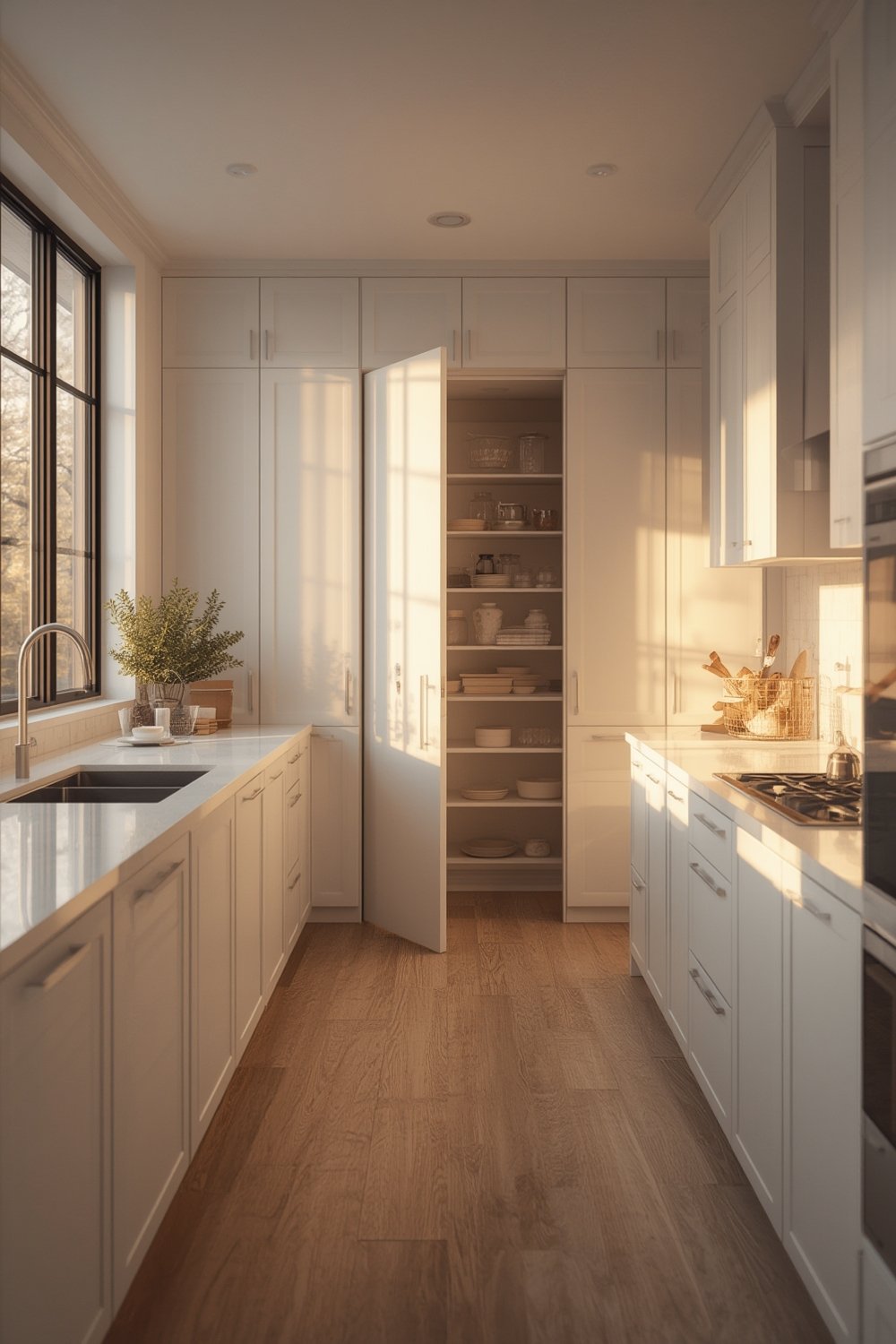
According to recent industry research, the global kitchen storage and pantry organization market hit USD 137.36 billion in 2024, with cabinet organizers growing at a 6 percent annual rate, reflecting increased demand for optimization and tidy interiors.
Related innovations—like appliance garages, smart storage, and textured wood finishes—are gaining traction. For homeowners struggling with bulky countertop appliances, concealed storage options can also pair well with other efficiency-boosting upgrades such as a heat pump water heater or ventless washer dryer, both which contribute to a cleaner, more modern home environment.
Step-by-Step Guide
Installing hidden pantry storage is a project that requires smart planning and a commitment to detail. Here’s how to get it right, from vision to construction and long-term success:
- Assess Your Kitchen Layout
Identify underutilized spaces like corners, areas adjacent to the fridge, or existing pantry closets. Decide if your concealment goal is total disguise (invisible entrance) or simply less visual clutter (refacing doors). - Choose Your Concealment Method
Popular strategies include swing-in or pocket doors, cabinet panels with no visible handles (often push-to-open doors), or sliding features. Match the mechanism with your family’s accessibility needs and available floor space. - Design for Organization
Plan shelves, pull-outs, and lighting before the build. Deep pantries benefit from full-extension pull-outs or Lazy Susans. Install task lights or motion-sensor strips to improve usability. appliance garages—enclosed nooks for toasters or blenders—are a trending hidden feature and are forecasted to increase in demand by up to 30 percent according to market analytics. - Material Selection
Choose durable, easy-to-clean materials that blend seamlessly with your existing kitchen. Textured wood and mixed finishes are especially popular. Considering sustainable glass versus plastic storage containers can support environmental goals (source). - Work With a Professional (Optional)
For complex concealment (e.g., secret doors), hiring an experienced cabinetmaker or general contractor is wise. Take time to review hardware options for push-to-open doors—seek brands with reliable user reviews, especially for frequent-use areas. - Plan for Maintenance & Upkeep
Some mechanisms like sliding tracks and push latches may require regular adjustments. Choose high-quality components to minimize headaches later.
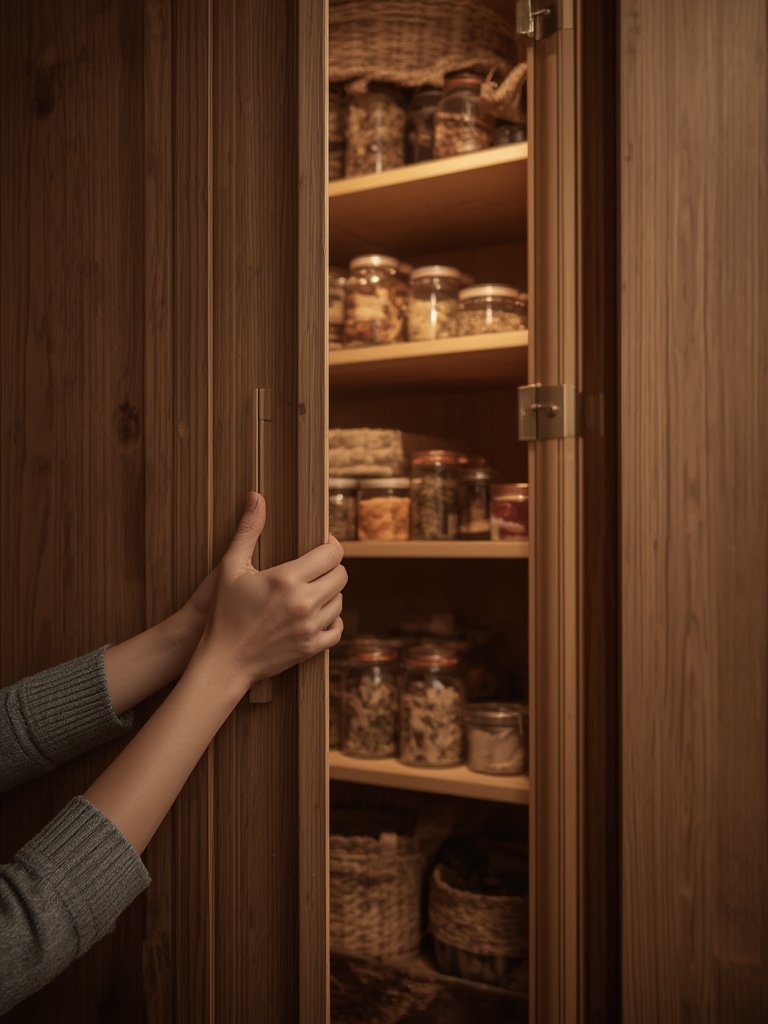
For an added design boost and noise control, consider incorporating materials such as acoustic fluted panels on entry doors or nearby walls. This reduces sound transfer and can provide a high-end look.
If household traffic is high or children will access the pantry often, prioritize robust hardware and easy access first—you may even want to add washable rugs in front of the entrance to protect the floor from spills or scuffs.
Advanced Analysis & Common Pitfalls
The promise of hidden pantry storage is significant, but it’s not without potential issues. Awareness of the downsides and common pitfalls is crucial for a successful outcome:
- Technical Complexity: Push-to-open doors and concealed hinges can misalign over time, causing sticking or poor closure. Not all hardware brands are equal—skimping on quality often leads to regrets.
- Accessibility Barriers: Oversized or heavy doors can be difficult for kids or older adults to operate. Hidden entrances sometimes confuse guests, though this is part of the appeal for those who prefer privacy.
- Maintenance & Durability: Moving parts (tracks, latches) require occasional maintenance. Appliance garages or slide-out components may eventually break with frequent use.
- Lost Space: Over-insulated panels or stacked shelves will shrink usable storage. Deep pantries without proper pull-outs can turn into “lost zones” for forgotten dry goods.
- Pricing Surprises: Because pricing data is limited, always budget a buffer—bespoke work and hidden hinges trend pricier than standard cabinetry. Lack of transparency here is a legitimate con, so get multiple contractor bids.
- Not Universally Increase Home Value: No available data conclusively links hidden pantry installations to increased resale value. Trends can change, so make major design decisions based on personal functionality and enjoyment first.
For smaller kitchens or apartments, consider pairing concealed pantry features with space-saving appliances like a ventless washer dryer or exploring high-durability flooring options such as SPC flooring to maximize every inch.
| Feature | Hidden Pantry Storage | Standard Pantry |
|---|---|---|
| Visual Clutter | Minimal—everything is out of sight | Moderate—open shelves or visible doors |
| Accessibility | Varies—may require extra steps to open | Straightforward—standard handles and open access |
| Installation Cost | Higher—custom carpentry/hardware | Typically lower |
| Design Flexibility | Extensive—tailored to match decor | Limited |
| Potential Pitfalls | Hardware misalignments, higher maintenance | Usually less technical |
Recent advancements are focusing on both stylish concealment and robust, practical engineering (source), but gaps remain—chiefly consumer feedback, cost transparency, and long-term durability reporting.
Conclusion
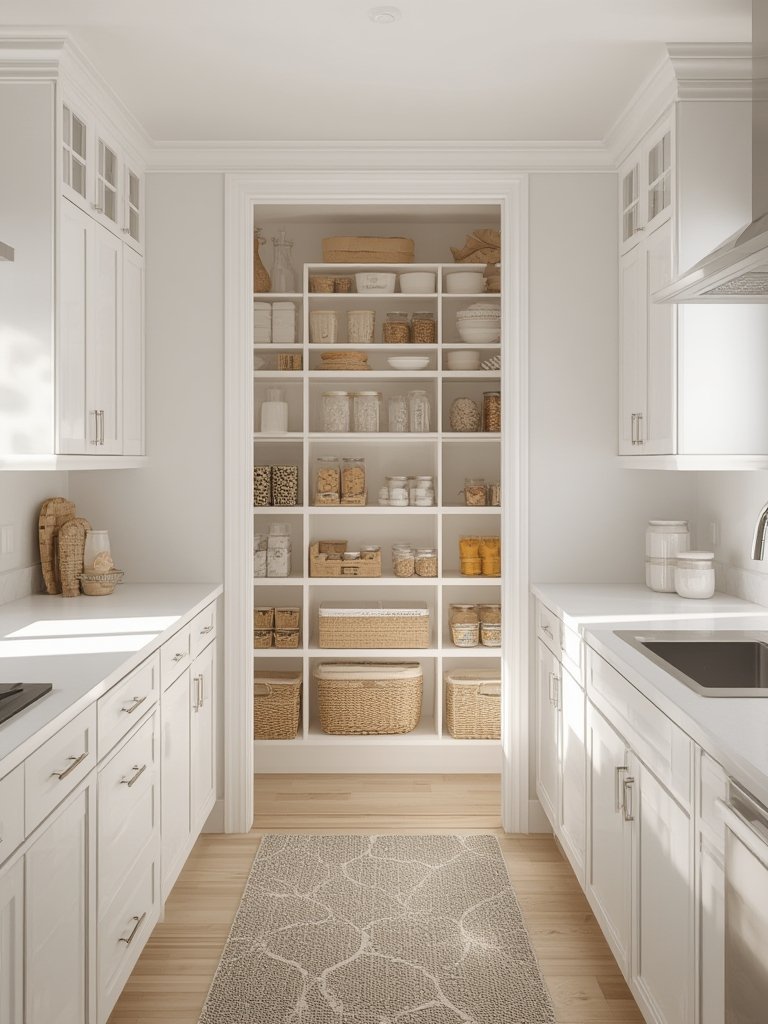
Hidden pantry storage provides a sleek solution to kitchen clutter and can elevate the enjoyment of daily routines—if thoughtfully planned and executed. Prioritize functionality over aesthetics, scrutinize hardware choices, and don’t hesitate to blend smart approaches like fluted acoustic panels, washable rugs, and energy-saving appliances into your overall design.
While no evidence yet proves a direct boost in home value, the value in convenience and day-to-day satisfaction is real. Considering hidden pantry storage for your upgrade? Begin by mapping out your needs and be sure to get candid bids from professionals. Ready to declutter? Plan your pantry project now and share your dream design ideas with a trusted contractor or designer.
FAQ Section
What is hidden pantry storage?
Hidden pantry storage refers to concealed kitchen storage areas, often accessed via disguised doors or cabinetry, designed to maximize organization and create a seamless kitchen aesthetic.
How much does it cost to install hidden pantry storage?
Cost varies widely based on design complexity and materials. Expect higher prices compared to standard pantries due to custom carpentry and hardware. Always get multiple quotes and allow for unexpected costs.
Does hidden pantry storage increase home value?
No direct studies confirm a resale value increase. While many buyers appreciate clean lines and extra storage, trends can change. Prioritize hidden pantries for personal function and style.
What are the most common problems with hidden pantry installations?
Frequent issues include misaligned doors, malfunctioning hardware, complicated access for some users, and higher maintenance requirements compared to standard pantries.
Can hidden pantry storage work in a small kitchen?
Absolutely. Repurposing base cabinets or using slim pull-outs can create mini hidden pantries, especially useful in compact spaces like apartments or condos.
—