

Hidden pantry storage is quickly becoming a must-have for modern kitchens, offering seamless functionality without sacrificing design. Homeowners look to this solution for a clutter-free aesthetic, but too few articles offer realistic insight on what you actually need to know before installing one—like technical requirements, hidden costs, and potential maintenance headaches.
Key Takeaways
- Hidden pantry storage is trending, with up to 54% of new kitchens integrating concealed solutions, but data on direct resale value and technical requirements remains scarce.
- Proper planning for depth, hardware, and access is essential to avoid alignment issues, hardware failures, and costly rework down the road.
- Most homeowners love the look, but user complaints often focus on wear-and-tear with mechanisms and trouble cleaning concealed spaces.
- What Is Hidden Pantry Storage and Why Is It So Popular?
- How to Plan and Install Hidden Pantry Storage: A Step-By-Step Guide
- Real-World Analysis: Pitfalls, Drawbacks, and What Most Guides Ignore
- Conclusion
- Frequently Asked Questions
What Is Hidden Pantry Storage and Why Is It So Popular?
Hidden pantry storage refers to cabinets, rooms, or closets seamlessly integrated into kitchen design—often behind matching doors, panels, or even secret entrances. The goal is to maximize storage without visible clutter, maintaining a cleaner, more minimalist kitchen.
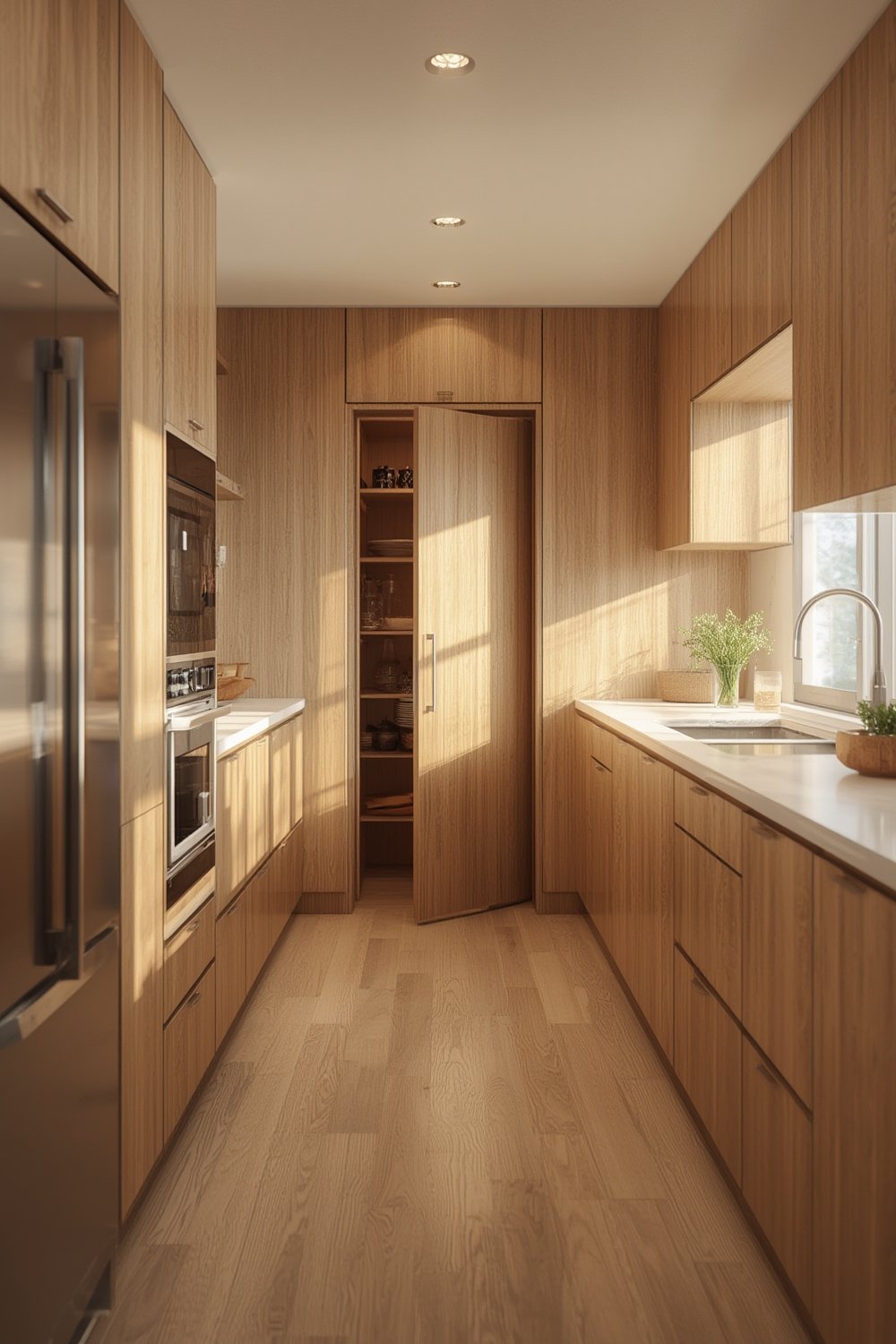
Reports like the NKBA’s 2024 Kitchen Trends show demand for concealed storage surging, with 31% of designers prioritizing hidden or smart storage, and over half recommending built-in or butler’s pantries.
This trend is reinforced by the AIA’s 2024 Home Design Trends Survey, where 27% of architects reported larger or more frequent pantries, reflecting homeowner preferences for both style and utility. Beyond aesthetics, these solutions offer genuine benefits:
- Clutter-free look: Food, bulky appliances, and cleaning supplies are tucked entirely out of sight.
- Flexible layouts: Hidden pantries can be designed as walk-in rooms, sliding cabinets, or camouflaged shelves behind seamless doors.
- Supports minimalist and contemporary styles: Pantries blend with custom cabinetry for a consistent look.
- Potential increased home value: While there’s no hard ROI data, designer kitchens with concealed storage are in high demand when selling.
Still, it’s not a one-size-fits-all solution. Technical and budget planning up front will determine if integrating hidden storage is worthwhile—and durable—for your space.
How to Plan and Install Hidden Pantry Storage: A Step-By-Step Guide
Transforming your kitchen with hidden pantry storage starts long before the first drill is plugged in. Here’s an actionable guide, covering design, measurement, and installation step by step:
- Define Your Purpose and Required Capacity
- Walk-in hidden pantry? Butler’s pantry? Appliance garage? Start with what you want to store—appliances, dry goods, rarely used tools, or all of the above.
- Identify Potential Spaces
- Look for underused corners, alcoves, or adjacent rooms. Modern kitchens sometimes hide a floor-to-ceiling pantry behind what looks like cabinetry or a wall.
- Measure and Anticipate Clearances
- Depth: Typical pantry shelving is 16-24 inches deep. For walk-in, you’ll want at least a 32-inch-wide walkway for comfort.
- Height: Floor-to-ceiling cabinets provide 50% more storage than standard upper/lower arrangements, according to NKBA trends.
- Door Swing: Secret or flush doors require precise framing. Plan for unobstructed openings—avoid placing islands too close, or else you may block door travel.
- Select Your Concealment Style
- Options include full-height doors disguised as wall panels, push-to-open magnets, pivoting bookshelves, or sliding barn-style systems. Each affects structural and mechanical needs.
- Want total invisibility? Cabinet-maker-grade flush doors will better match surrounding panels and hide seams.
- Plan Structural, Mechanical, and Lighting Details
- Some hidden doors are heavier, needing reinforced framing or special hinges (like SOSS or pivot types).
- Recessed lighting is nearly mandatory in deep pantries. Automatic switches triggered by door opening are a user favorite, matching the strategies used for other hidden home upgrades like efficient heat pump water heaters.
- Select and Install the Correct Hardware
- High-quality push-to-open latches, soft-close hinges, and tracks for heavy sliding doors are not areas to skimp. Cheaper alternatives are notorious for rapid wear-and-tear.
- If integrating appliances or plumbing, consult pros—it’s very similar to the attention needed when planning ventless washer dryer setups.
- Execute with Precision
- Frame-in and reinforce the opening.
- Install all cabinet carcasses before the concealment door for best alignment.
- Always test the motion and closure of the door or panel. Any misalignment will show, and small errors can lead to constant jamming later.
- Finish and Integrate
- Paint, veneer, or cover surfaces to blend with the adjoining kitchen.
- Install shelving and storage hardware, keeping cleaning access in mind for longevity—as promoted in guides for other low-maintenance solutions like washable rugs and SPC flooring.
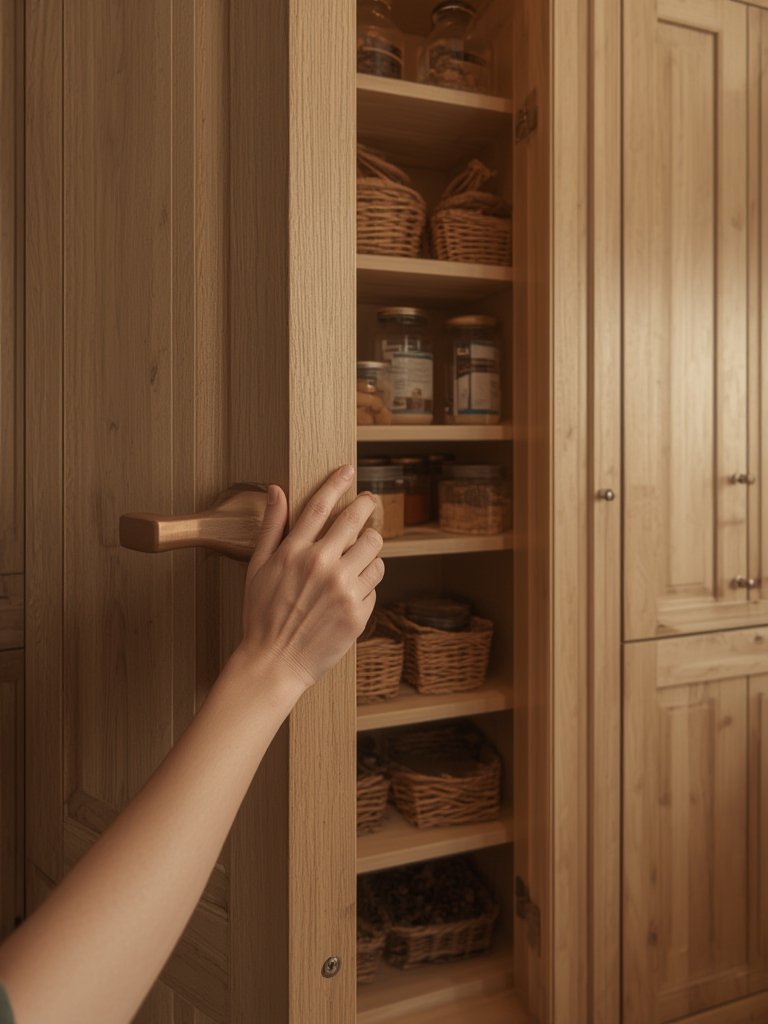
There’s no truly universal template. Every hidden pantry is bespoke—plan in detail, expect a duration of two to six weeks, and budget extra for professional help if you’re building into existing walls or behind appliances.
Finally, seal every exposed joint and ensure soft-close or push-to-open hinges are up to the job. A loose closure will wear out fast and ruin the seamless effect.
Real-World Analysis: Pitfalls, Drawbacks, and What Most Guides Ignore
Most online guides make hidden pantry storage look effortless. The reality is more complicated, with several pitfalls that can affect daily function or even cause costly problems down the line. Here’s what you need to know, based on current research and observed trends:
| Aspect | Common Issues | Recommended Solution |
|---|---|---|
| Door Alignment & Hinges | Misaligned doors can scrape and jam. Inferior hinges or cheap push-latches tend to break quickly. | Invest in robust hardware and have a carpenter adjust doors post-installation. |
| Depth & Clearance | Insufficient depth for appliances or bulk goods. Doors swing into islands or hit adjacent cabinets. | Allow a minimum of 24-inch depth for shelves, 32-inch walkway, and test clearances before framing. |
| Lighting | Dark interiors make items hard to find. Retrofitted lighting is awkward and cables can be unsightly. | Plan integrated LED strips or motion-activated lights from the design stage. |
| Cleaning & Maintenance | dust and crumbs accumulate in hidden crevices, and hardware may loosen or break with frequent use. | Choose easy-clean surfaces and schedule quarterly maintenance; choose hardware with warranty/support. |
| Cost Uncertainty | Lack of transparent pricing; project costs often overrun due to unforeseen framing or hardware upgrades. | Request detailed, line-item quotes up front. Allow 20% above the initial budget for surprises. |
Despite widespread demand—from minimalist condo kitchens to luxury homes—key missing information remains:
- Resale Value: There’s excitement around hidden pantries, but no published 2024 data quantifies resale ROI. The greatest value may be found in appeal for certain buyer types who prioritize clutter-free kitchens (source).
- Technical Requirements: Data on minimum clearances or hardware loads is anecdotal; most designers follow standard cabinet guidelines, which aren’t always durable for secret doors (source).
- Case Studies: Real-world, quantitative case studies are rare—most references are qualitative trends or anecdotal designer feedback (source).
- Maintenance Complaints: Surprisingly, user-reported problems (hardware jams, cleaning hassles) are missing from most guides, but these are frequent issues based on professional reports. Plan periodic maintenance for push-to-open or soft-close hardware—something few guides stress.
It’s worth noting that these pitfalls are not unique to hidden pantries. Many concealed home systems require this step-by-step, technical forethought—see our tested guides on fluted wall panels for sound dampening or modern SPC flooring for impact resistance.
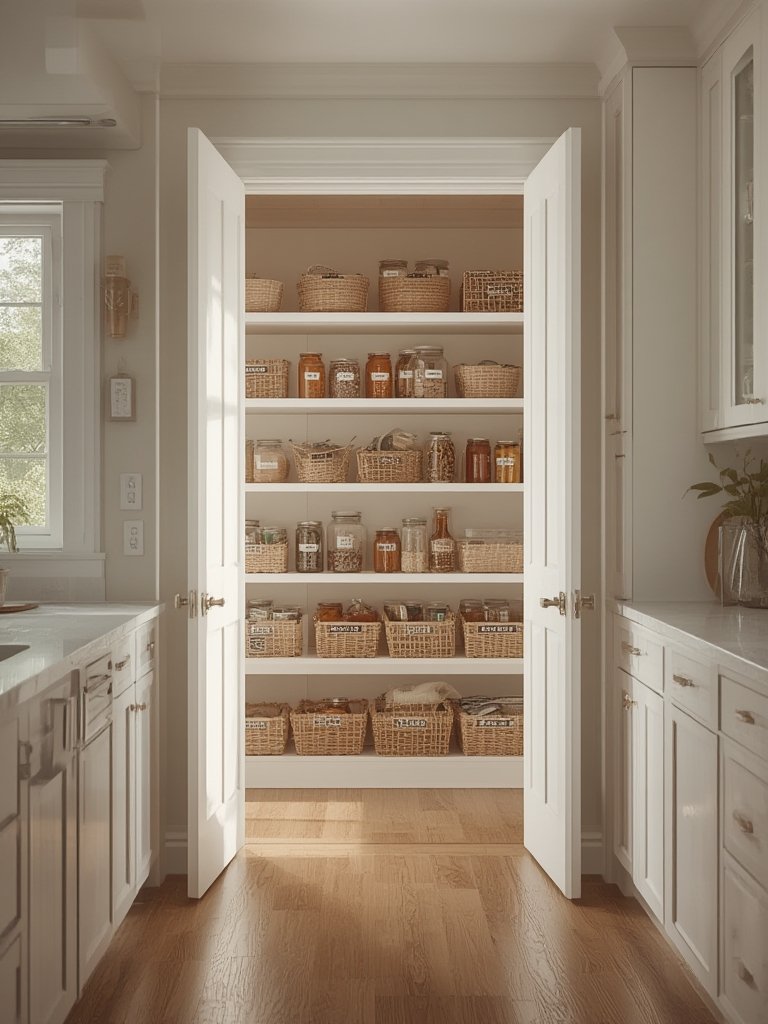
Before you commit, weigh the wow-factor against real-world installation and maintenance demands—and always ask your installer about warranty coverage for mechanical parts.
Conclusion
Hidden pantry storage is a standout trend for kitchens in 2024, blending visual simplicity with practical storage—when planned and installed properly. While its impact on resale value is still anecdotal, the surging demand from architects and designers signals lasting interest, especially among buyers who value minimalist, versatile spaces.
The best results come from careful planning: allow for depth and clearance, invest in robust hardware, and budget for professional help when in doubt. Don’t underestimate ongoing maintenance for concealed hardware—plan ahead, and your space will look seamless for years to come.
Ready to start your own hidden pantry storage project? Explore our other proven home improvement guides for smart installation ideas, or consult a cabinetmaker to discuss the best approach for your layout.
Frequently Asked Questions
Does hidden pantry storage improve home resale value?
While there’s no 2024 data directly quantifying resale ROI, homes with modern, clutter-free kitchen storage generally appeal more to buyers—especially those who value sleek, integrated design. The biggest boost may come from setting your listing apart in a crowded market.
What is the average cost to install hidden pantry storage in 2024?
Current reports don’t provide specific 2024 cost ranges, but most projects involve both carpentry and specialty hardware. Plan to spend more than on standard pantry cabinets, and budget at least 20% extra for surprises if retrofitting into existing walls.
What maintenance do hidden pantry systems require?
Check and tighten all hinges, tracks, and push-to-open or soft-close mechanisms several times a year. Clean shelves and crevices regularly. Replace hardware at the first sign of wear to avoid jamming or failures.
Are there minimum size requirements for a hidden pantry?
For a walk-in hidden pantry, a minimum of 32 inches wide for walkways and 24 inches deep for shelves is recommended. Non-walk-in or cabinet pantries should match your specific storage needs, allowing full clearance for doors and easy access.
Can hidden pantry storage be combined with appliance garages or fluted panels?
Yes. Many contemporary kitchens blend hidden storage with features like appliance garages or fluted panels for both function and design versatility. Plan layout details in advance to avoid space conflicts.