

Deep soaking tub installations are quickly becoming the centerpiece of luxury bathroom remodels, offering unmatched relaxation and a calming spa-like experience at home. But before you invest, there are important details, potential pitfalls, and technical specs to consider if you want true comfort and value from your deep soaking tub.
Key Takeaways
- Deep soaking tubs deliver full-body immersion and luxury but require careful planning for space, water usage, and maintenance.
- Installation challenges and ergonomic mismatches are common pitfalls—measure carefully and consider true soaking depth, not just capacity.
- Freestanding and Japanese-style soaking tubs are booming in popularity due to wellness trends—not just aesthetics.
- What Is a Deep Soaking Tub? Why They’re a Bathroom Game Changer
- How to Choose and Install the Perfect Deep Soaking Tub: Step-by-Step
- Real-World Pitfalls and Advanced Buying Analysis
- Conclusion: Is a Deep Soaking Tub Right for Your Bath?
- FAQs: Deep Soaking Tub Decisions
What Is a Deep Soaking Tub? Why They’re a Bathroom Game Changer
Deep soaking tubs are designed for immersive, full-body baths with depths usually above 16 inches—far deeper than a standard bathtub. While traditional tubs prioritize practicality over luxury, deep soaking tubs create a spa-like experience at home, whether you prefer a modern freestanding model or an authentic Japanese ofuro.
In 2024, the bathtub market grew to nearly $12 billion worldwide, with luxury buyers driving demand for therapeutic, relaxing home environments. Market reports show residential renovations make up nearly 60% of this activity, and North America alone contributes over a third of the total value due to wellness-focused homeowners.
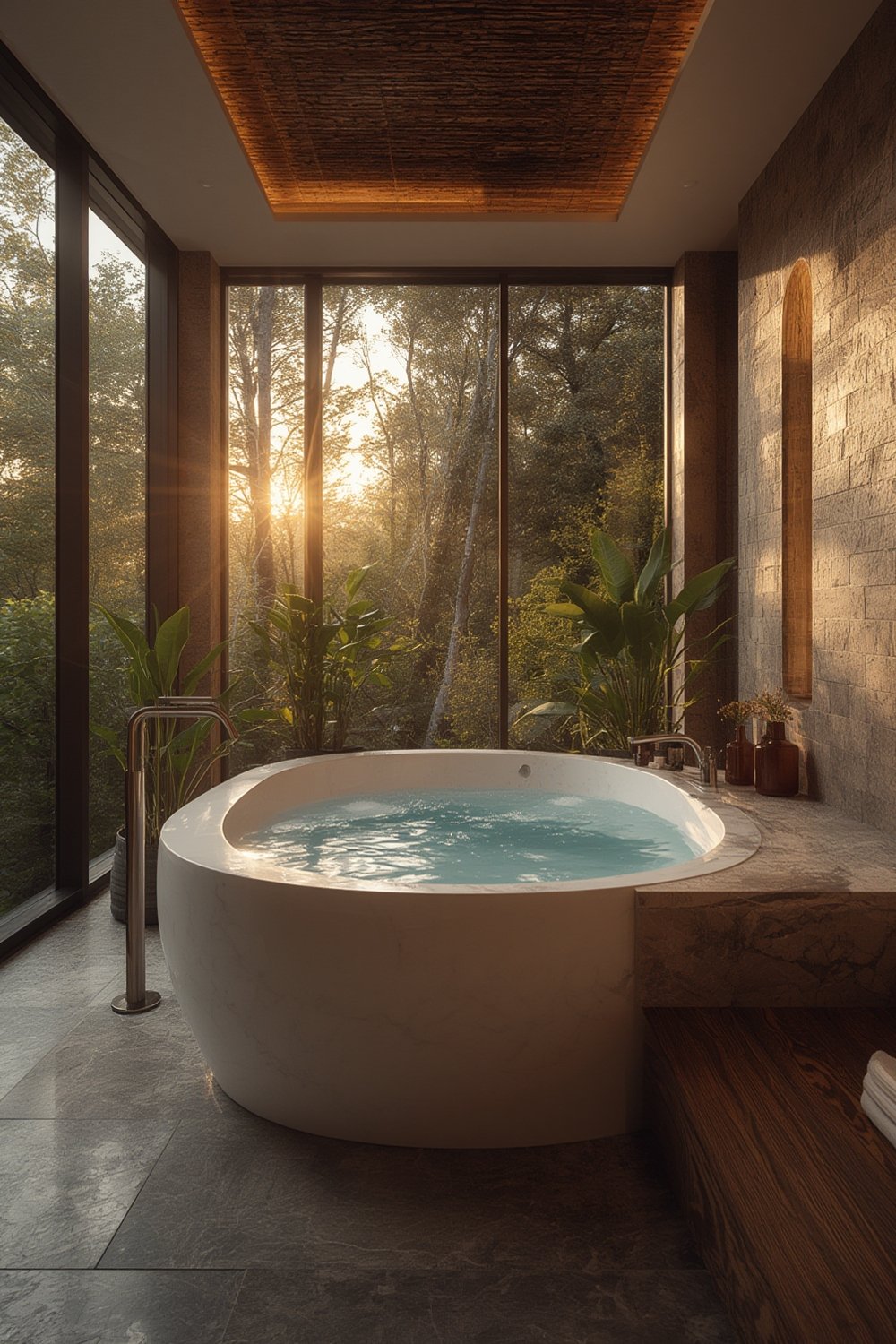
Key options include freestanding soaking tubs (often the luxury market favorite), built-in deep tubs, and compact vertical Japanese soaking tubs. While standard tubs measure 60x30x14-16 inches, deep models offer soaking depths well over 16 inches, holding up to 100 gallons of water for true submersion.
These tubs aren’t just for aesthetics: real benefits include stress relief, muscle relaxation, and a renewed sense of wellness. However, water demand, installation needs, and ongoing maintenance make careful planning essential.
How to Choose and Install the Perfect Deep Soaking Tub: Step-by-Step
Finding and installing the ideal deep soaking tub requires more than picking the prettiest shape. Here’s a no-nonsense guide that covers what you won’t find in standard buying checklists.
Step 1: Measure and Plan for True Soaking Depth
Don’t trust manufacturer’s “capacity” specs alone. Instead, measure the tub’s inside depth from floor to overflow drain. Ensure at least 16-20 inches for proper immersion—even compact Japanese soaking tubs offer this with a smaller footprint.
Take careful account of:
- Bathroom floor space (leave at least 6 inches around all sides of freestanding tubs)
- Weight when filled—100 gallons equal 800+ pounds plus bather weight
- Structural support—reinforce floor if needed
- Doorways and turning clearances for delivery
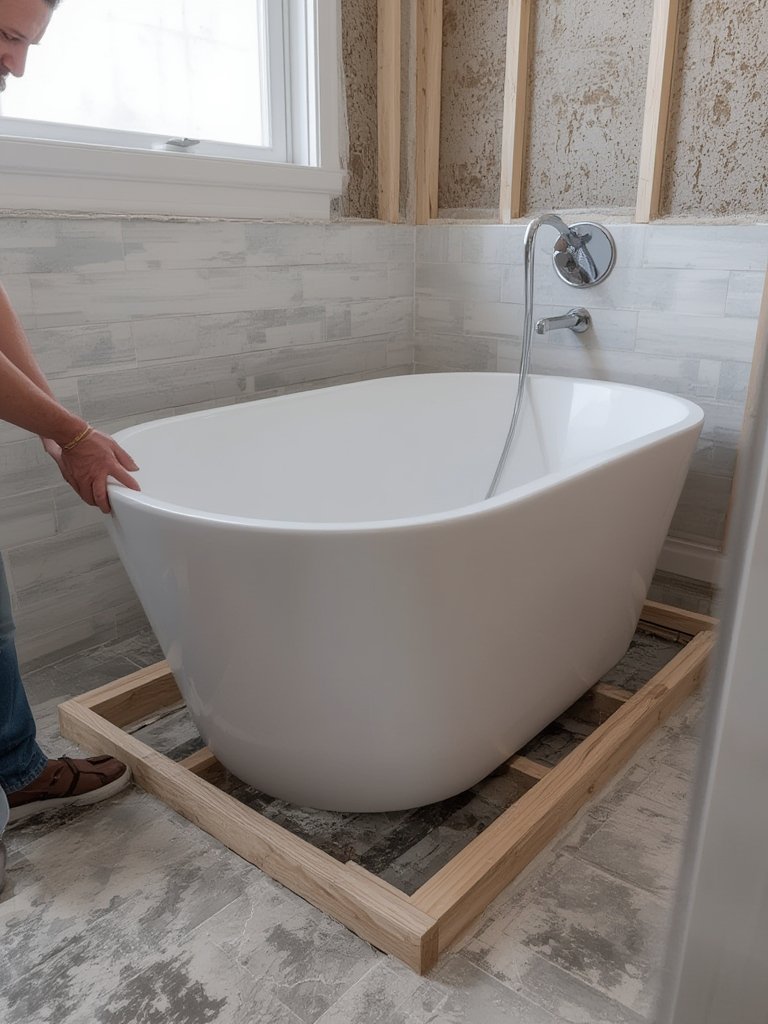
Step 2: Evaluate Installation Challenges
Freestanding tubs simplify aesthetics but demand careful placement and often complex drain plumbing. Japanese soaking tubs or built-in deep tubs might need custom framing or waterproofing; most standard floors will need reinforcement for the added weight, so consult a contractor or engineer.
Keep in mind:
- Drain location in floor vs wall
- Supply line accessibility for filling quickly and quietly
- Clear route through hallways for tub delivery
If hot water is a concern, reference expert water heater sizing and savings tips to future-proof your setup.
Step 3: Compare Technical Specs Across Tub Types
- Japanese Soaking Tubs (Ofuro): Compact, 27–40 inches diameter, 24+ inches high, 50–80 gallons, steep sides, sit-up soaking.
- Deep Freestanding Tubs: 60–72 inches long, 30–36 inches width, 16–22 inch depth, 70–100 gallons, require more bathroom floor space.
- Statement Bathtubs: Bold shapes, often heavier, unique finishes, may need special cleaning or sealing.
Be realistic about who will use the tub. Elderly or mobility-limited homeowners should consider slip-resistant surfaces and, if needed, accessible design features.
Step 4: Plan for Water and Energy Efficiency
Larger deep soaking tubs can strain your utility bills. Explore bathroom remodeling upgrades like energy-efficient appliances and ensure all plumbing is up to code. Choose a tub with good thermal retention and research relevant federal tax credits (see the heat pump water heater guide for inspiration).
Step 5: Check for Ergonomic Comfort
Sit in floor models at showrooms or request full inside measurements before buying. Look for a sloped backrest, supportive base, and a comfortable rim height. True comfort isn’t about gallons—it’s about how your body fits the space.
Step 6: Arrange for Professional Installation and Waterproofing
Improper sealing, poor caulking, or mismatched plumbing can result in leaks and future headache. Choose a licensed installer or at minimum, consult a plumber for complex setups. Waterproof not just around the tub but any splash zone where excess water may damage floors.
Step 7: Plan for Long-Term Care
Check manufacturer cleaning requirements, especially for acrylic, enamel, or exotic stone. Regularly check for leaks and always wipe down after use to prevent buildup—especially with statement tubs or textured finishes.
If accessible bathing or slip risk is a concern, see safety strategies from assisted tub reports or consider additional grab bars and non-slip mats.
Real-World Pitfalls and Advanced Buying Analysis
While luxurious, deep soaking tubs come with genuine challenges that many homeowners only discover after installation. Here are the most common issues, plus actionable advice to sidestep costly regrets.
Don’t Underestimate Water and Weight
Deep soaking tubs use 70–100 gallons per bath. For comparison, a standard bath uses about 40 gallons. That’s double the water cost—and your water heater may not be up to the task. Consider a high-capacity, energy-efficient water heater to avoid lukewarm disappointments. See this expert resource on maximizing water heater efficiency.
| Type | Typical Dimensions | Soaking Depth | Water Capacity | Filled Weight | Required Space | Key Maintenance |
|---|---|---|---|---|---|---|
| Japanese Soaking Tub | 27–40” Dia x 24–28” H | 24–27” | 50–80 gal | ~700–900+ lbs | Smallest footprint | Frequent wipe-down, caulking checks |
| Deep Freestanding Tub | 60–72” L x 30–36” W x 16–22” H | 16–22” | 70–100 gal | ~900–1,000+ lbs | Ample open space needed | Acrylic maintenance, anti-scratch, resealing |
| Standard Tub | 60” L x 30” W x 14–16” H | 12–14” | 40–50 gal | ~500–650 lbs | Fits most alcoves | Basic cleaning, caulk check |
Unanticipated Costs
Luxury deep soaking tubs (including Japanese models) command a premium price but installation, delivery, and floor reinforcement add thousands more to your total. Expect to budget extra for:
- Special delivery or crane service for large freestanding tubs
- Addition of grab bars or non-slip coatings for homes with children or elderly users
- Possible plumbing reroutes (especially in older homes)
- Ongoing water and heating costs
Freestanding tub market leaders do not publish total cost averages in 2024 industry reports. But real-world estimates for luxury installation can run $4,000–$12,000+ depending on spec, finishing, and infrastructure.
Comfort, Safety, and User Regret
Some homeowners discover their tub is uncomfortable for their height—or difficult to get in and out of. Lack of ergonomic testing is a key reason for dissatisfaction, especially for older adults or people with limited mobility. Consider adjustable headrests, textured surfaces, and lower thresholds if needed. Assisted tubs emphasize features for safety and easy access, helpful for aging-in-place renovations.
Maintenance Surprises
Deep, sculptural tubs can be harder to clean—especially around bases and under freestanding rims. Japanese tubs require vigilant caulk inspection and regular wipe-downs to avoid mildew. Consider washable rugs for floor protection and to catch drips when you exit your bath.
Noise and Echo
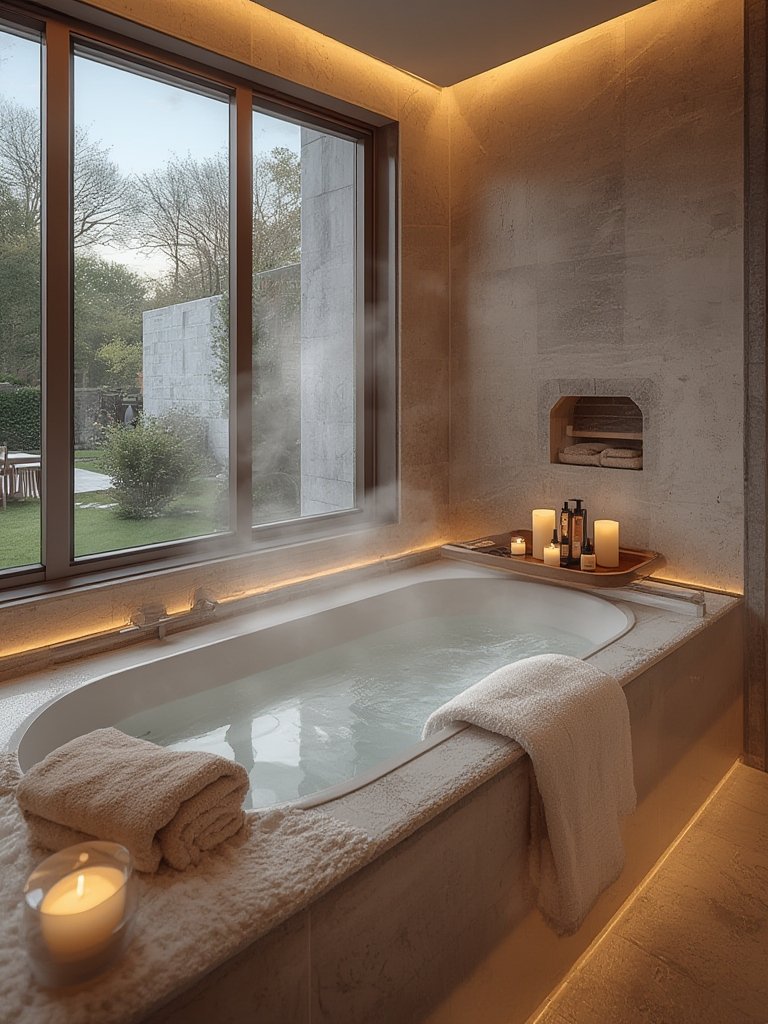
Large, deep bathtubs can amplify sound when filling or draining. This is especially noticeable in minimalist bathrooms. If you want peace and quiet, explore adding sound dampening fluted wall panels to soften noise levels and create a more serene environment.
Design Planning Mistakes
Focusing just on the visual ‘wow’ factor sometimes leaves design regrets—especially if the tub overpowers a small bathroom or blocks easy access. Ensure a well-balanced layout. For more on making small spaces work, see these space-saving laundry guides.
For in-depth technical market data, J-shaped soakers and accessible bathtubs (for aging in place) are on the rise, but physical comfort and maintenance remain the top pain points that go underreported.
For further market insights and tub specifications, visit this major industry report.
Conclusion: Is a Deep Soaking Tub Right for Your Bath?
A deep soaking tub brings daily relaxation and a statement look to your bathroom, but it isn’t a one-size-fits-all upgrade. Plan carefully for space, water, hot water supply, and true comfort before your renovation. The best results come from realistic choices and professional installation—not just chasing trends. If you want to invest in wellness and boost your bathroom’s value, start with exact measurements, installation logistics, and honest needs assessment. For many, the deeply immersive comfort of a deep soaking tub is worth every bit of planning—if you get the details right. Ready to transform your bathing routine? Start collecting inspiration and measure your space now.
FAQs: Deep Soaking Tub Decisions
How much water does a deep soaking tub really use?
Most deep soaking tubs require between 70 and 100 gallons to fill for immersive bathing. Japanese-style ofuro tubs are more compact but can still use 50–80 gallons. Always check your hot water system can keep up before buying.
Do I need to reinforce my bathroom floor?
If your tub (when filled) exceeds 800–1000 pounds including bathers, floor reinforcement may be necessary, especially in older homes or upper stories. A licensed contractor can assess your requirements.
Are deep soaking tubs comfortable for all ages?
Not always. Children and elderly users may find a deep tub difficult to enter or exit, and the depth may not suit everyone’s height. Consider models with built-in support or opt for safety features if accessibility is a concern.
What’s the maintenance like for a deep soaking tub?
Maintenance depends on materials. Acrylic and stone tubs resist stains but need gentle cleaners. Japanese soaker tubs require frequent caulking checks. Freestanding tubs need routine cleaning under the base and around drains. Always dry the rim to prevent mildew.
What is the real cost to install a luxury deep soaking tub?
Costs vary widely by model and home layout. Expect $4,000 and up for quality tubs and professional installation, especially if plumbing, flooring, or delivery access need upgrades. Delivery and installation can sometimes double the price of the tub itself.