

Concealed kitchen appliances are redefining modern kitchen design, delivering a seamless visual flow by hiding refrigerators, dishwashers, and ovens behind cabinetry panels. If you crave a clutter-free, integrated kitchen look, read on to discover key strategies, pitfalls, and tips to get it right with hidden appliances.
Key Takeaways
- Hidden kitchen appliances are growing rapidly in popularity, offering sleek aesthetics and supporting modern, minimalist design trends.
- Successful concealed installations require careful planning, technical awareness, and experience with cabinetry customization.
- Ignoring technical, access, or maintenance considerations can lead to frustrating issues—know the practical challenges before you commit.
- What Are Concealed Kitchen Appliances and Why Use Them?
- How to Conceal Kitchen Appliances: Step-by-Step Guide
- Advanced Analysis & Common Pitfalls
- Conclusion
- FAQs
What Are Concealed Kitchen Appliances and Why Use Them?
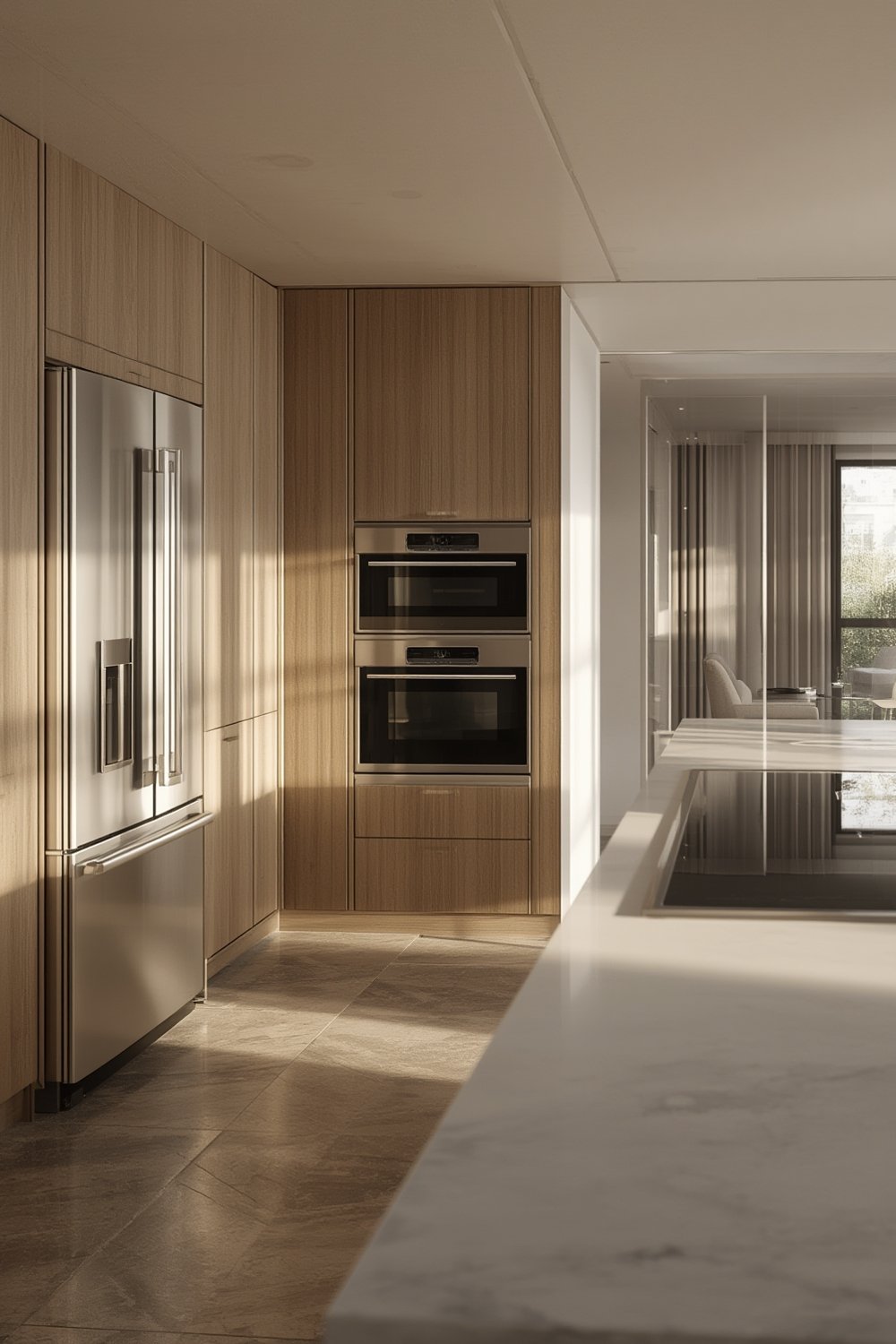
Concealed kitchen appliances—also called integrated or built-in appliances—are units designed to be hidden behind cabinet doors, drawer fronts, or custom panels that match the surrounding kitchen cabinetry. This approach is especially favored in contemporary, minimalist, and open-plan kitchen designs where a unified and uncluttered look matters.
Market research in 2024 shows striking growth: the global fully built-in kitchen appliances market is projected to reach USD 3,247 million by 2034, expanding at a CAGR of nearly 14% according to Intel Market Research. Similarly, the built-in kitchen appliances sector in the United States is forecasted to grow steadily, fueled by consumer preference for modern aesthetics, urbanization, and the rise of smart integration (TechSci Research). Over half of US appliance planners now prefer smart-enabled options.
Homeowners choose concealed appliances for more than just looks. Benefits include increased resale appeal, space optimization, and noise dampening. For guidance on integrating acoustically sophisticated finishes, see this guide on fluted panels for sound dampening.
How to Conceal Kitchen Appliances: Step-by-Step Guide
Concealing your appliances successfully requires more than picking a new fridge or dishwasher. Here’s how to avoid expensive mistakes and ensure your kitchen looks flawless & functions well for years.
- Assess Your Space and NeedsStart with a realistic audit. Measure every dimension of your kitchen, make a list of daily-used appliances, and decide which units genuinely benefit from being concealed. Refrigerators, dishwashers, microwaves, ovens, even washer dryer combos can all be integrated or panel-ready.
Want to optimize both laundry space and visual appeal? Check out space-saving ventless washer dryers for small kitchens.
- Choose the Right AppliancesNot every standard appliance is compatible. Look for “panel-ready,” “fully integrated,” or “built-in” models from trusted brands such as Bosch, LG, Samsung (with customizable Bespoke lines), Electrolux, or Whirlpool. Prioritize models specifically engineered for concealed installations—and confirm size data for flush mounting.
- Plan Cabinetry CustomizationStrategic cabinetry is essential. Panel dimensions need to match the appliance exactly, and hardware (hinges, pulls) must support frequent use. Budget extra for custom panels, skilled carpentry, and possibly extra structural reinforcement.
Need to protect new floors from kitchen traffic? See how to use washable rugs for floor protection.
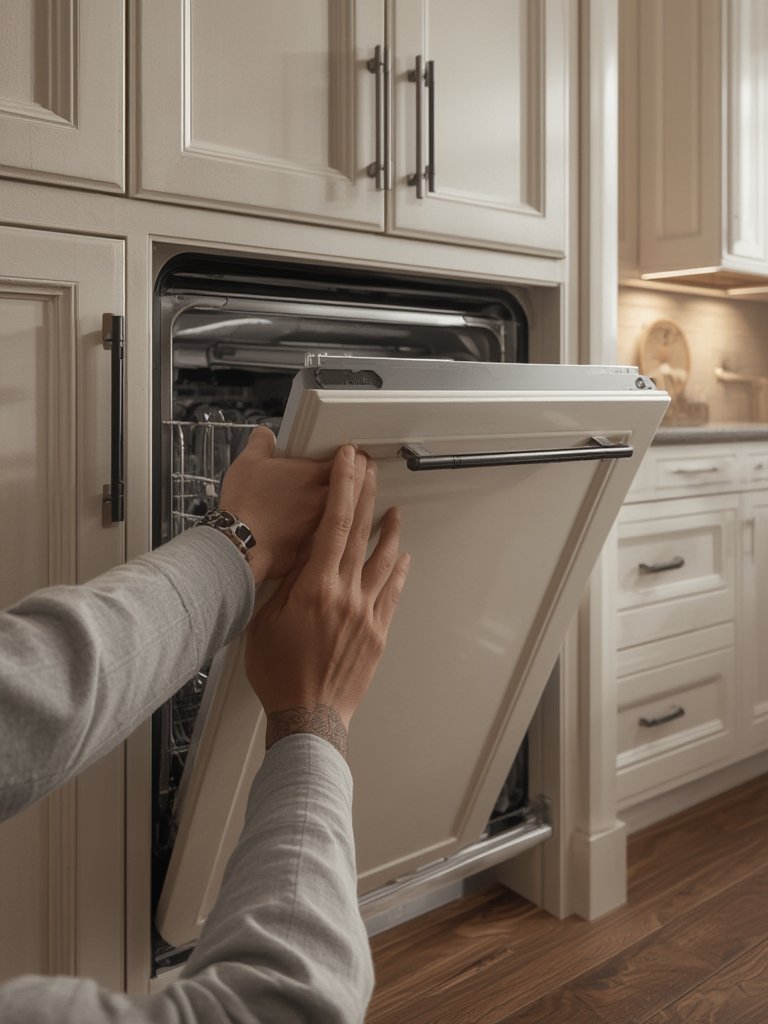
- Work with ProfessionalsPrecise measurements and experienced installation are non-negotiable for flush-mount, seamless results. Even a few millimeters off can prevent a panel from closing or cause operational issues. Hire an experienced installer specializing in built-ins.
- Ventilation and AccessConcealed appliances generate heat and need airflow. Confirm with manufacturers and installers that cabinetry cutouts, clearances, and any venting are suitable for your appliance setup. Ignoring this leads to performance issues or even fire risks.
- Plan for Future MaintenanceEnsure all panels and hardware are removable for servicing. If a refrigerator’s water filter or a dishwasher’s drain becomes inaccessible, even warranty repairs will become nightmares. Plan access panels or quick-release hardware as part of your cabinetry design.
Bonus: To reduce noise from hidden dishwashers or ventless dryers, combine concealed appliances with acoustic wall paneling for extra sound dampening.
Advanced Analysis & Common Pitfalls
Integrating concealed appliances isn’t risk-free. Here’s a realistic look at pain points, technical pitfalls, and advanced tips you won’t see in glossy catalogs:
- Access and Maintenance Headaches: Cabinetry that looks flawless may obstruct access to crucial filters, vents, or controls. Failing to design for quick panel removal makes even routine maintenance a pain.
- Ventilation and Overheating: Hidden doesn’t mean sealed off. Lack of airflow can cause performance problems, especially for refrigerators and cooking appliances. Always follow manufacturer venting guidelines.
- Higher Upfront and Ongoing Costs: Concealed appliances often cost more than freestanding versions, and specialized installation or panel repairs can add unplanned expenses. Maintenance is sometimes trickier and more expensive if plumbing or wiring is hard to access behind panels.
- Panel Durability: Repeated opening, closing, or exposure to water and heat can degrade custom cabinet panels faster than expected. Opt for moisture-resistant, high-durability finishes for longevity.
| Aspect | Concealed Appliances | Traditional Exposed Appliances |
|---|---|---|
| Aesthetics | Seamless, coordinated look | Visible appliances, possible contrast |
| Installation Cost | High (custom cabinetry, skilled labor) | Lower (off-the-shelf install) |
| Accessibility | Panels may hinder access | Immediate access for repairs and cleaning |
| Resale Value | Can boost modern appeal (limited ROI data) | Stable; no upgrade premium |
| Maintenance | Complex if panel removal is tough | Straightforward |
| Appliance Choice | Fewer models, higher cost | Many choices at every price point |
According to market research, brands like Bosch, Samsung, LG, Electrolux, and Whirlpool offer the most reliable lines for concealed installations. Samsung’s Bespoke Infinite Line in particular was launched in 2024 for fully customizable, smart-enabled kitchens (Business Research Insights). However, be wary of energy efficiency: while integrated appliances often keep up with energy standards, concrete, side-by-side comparison data is still lacking for lifespan and warranty coverage.
If you’re comparing floor durability needs alongside hidden appliance cabinetry, review SPC vs. laminate flooring for durability tips.
Conclusion
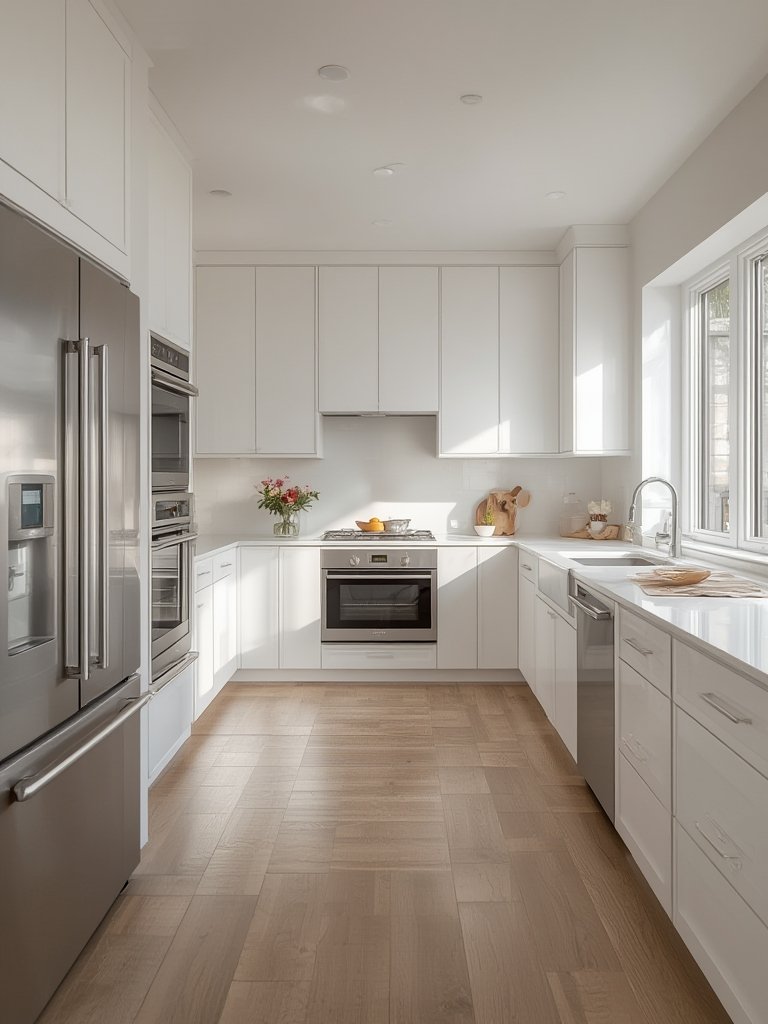
Concealed kitchen appliances deliver a premium, minimalist look that’s driving increased demand worldwide. By focusing on planning, technical fit, and professional installation, you’ll enjoy the seamless effect without the maintenance or access pitfalls that frustrate many DIYers. Use resilient materials for panels and always prioritize long-term serviceability for each hidden unit.
Curious how concealed kitchen appliances can work in your own remodel? Compare styles, get expert input, and review installation requirements before committing to your next kitchen upgrade. Your dream kitchen starts with smart, well-informed choices.
FAQs
What appliances can be concealed in a kitchen?
Common concealed kitchen appliances include refrigerators, dishwashers, microwaves, built-in ovens, ventless washer dryers, and induction cooktops. Always choose panel-ready or integrated models for best results.
Are concealed appliances more expensive to install?
Yes, concealed appliances nearly always cost more due to the need for custom cabinetry panels, specialized installation, and sometimes required ventilation upgrades. Factor in both initial appliance price and skilled labor expenses.
Is it harder to repair or maintain hidden kitchen appliances?
Repairs and maintenance can be more complex if access is blocked by panels or tight cabinetry. To minimize headaches, design your kitchen so panels can be removed easily and check appliance service manuals in advance.
Which brands are leaders in concealed kitchen appliances?
Trusted brands include Bosch, LG, Samsung, Electrolux, Whirlpool, and Panasonic. Samsung’s Bespoke Infinite Line is a notable recent launch in the customizable, fully integrated segment.
Will hidden kitchen appliances boost my home’s value?
Integrated appliances can make a kitchen feel upscale and modern, which appeals to today’s buyers. However, hard data on return on investment is limited, and the trend may not translate to significant resale gains in every market.