

### Blog Post:
Clean air paint interior is now an essential upgrade for any home aiming for safer indoor air, especially in bedrooms and nurseries. If you care about health and want less exposure to harsh chemicals, understanding how these paints work—and their realistic benefits and limitations—is critical before you buy. Here’s exactly what’s proven, where brands (and blogs) may overpromise, and how to get clean-air results that actually last.
Key Takeaways
- Clean air paint interior options (low or zero-VOC) drastically cut harmful emissions indoors—but even “zero VOC” products still release some pollutants for weeks after use.
- Real-world safety depends on paint type, color, and proper application—certifications like Asthma & Allergy Friendly® matter.
- Most articles and brands skip tough topics: odor persistence, cleaning ease, toddler-safety, and real durability—so read on for answers to the questions most homeowners actually have.
- What Is Clean Air Paint Interior? Why It Matters
- How to Choose and Apply Clean Air Paint: Step-By-Step Guide
- Advanced Analysis & Pitfalls: What Most Get Wrong
- Conclusion
- Frequently Asked Questions
What Is Clean Air Paint Interior? Why It Matters
Clean air paint interior refers to interior wall and ceiling paints that are specifically formulated to emit very low, or nearly zero, levels of harmful volatile organic compounds (VOCs) and hazardous air pollutants. Regular paints release VOCs—including formaldehyde, toluene, benzene, and other irritants—at extremely high levels during and after painting. Studies show indoor VOC levels can spike up to 1,000 times outdoor levels after painting a standard 12×12 ft room, and emissions can linger for up to six months (source).
Paints labeled “low VOC” or “zero VOC” use water as a base and drastically reduce toxic solvents. However, even certified zero-VOC paints can emit total VOCs above zero under chamber tests (source). The main reason to choose a clean air paint interior is to safeguard your family—especially babies, seniors, asthma sufferers, or anyone sensitive to chemical exposure—from short and long-term indoor air threats. It’s a smart investment for health, especially when renovating children’s rooms or planning a nursery.
If you’re planning a bigger home upgrade, cleaner paint pairs well with other air improvement strategies like installing a home air quality monitor to track VOCs in real time or adding a vertical garden wall to support natural air purification and biophilic design.
How to Choose and Apply Clean Air Paint: Step-By-Step Guide
Switching to clean air paint is straightforward—but only if you pick wisely and prep the right way. Here’s how to do it right from research to final coat:
- Research certifications (not just “zero-VOC” claims). Look for independent labels like Asthma & Allergy Friendly®, EWG Verified, or EPA Safer Choice. These ensure rigorous ingredient disclosure and test for lingering emissions at 24 hours and 14 days after application—not just initial VOC numbers (source).
- Check color and finish. Glossy finishes and darker tints can emit more VOCs than flats or lighter colors. If toddler-safety and the lowest possible emissions matter, stick with flat or eggshell in pale shades (source).
- Prep properly—wash walls and allow to fully dry. Dust, mold, or residue can trap VOCs and create extra off-gassing even with clean paints. For savvy home organization, use an adjustable storage cabinet to clear clutter out of the room before painting.
- Use low-VOC primer if needed. Standard primers can add to total emissions, which defeats the purpose.
- Apply with good airflow. Windows open, fans running out (not just recirculating).
- Let dry, then ventilate aggressively for at least 3–7 days. Surfaces may feel dry, but emissions continue. For high-sensitivity rooms, give it 2+ weeks before sleeping in the space.
- Monitor with a VOC/air quality device to verify when pollution levels drop. See our handheld vacuum guide for deep post-paint cleaning tips to control dust and potential residue after painting.
- After use, safely store leftover paint. Keep tightly sealed and out of living areas—preferably in a dresser organizer in the garage or a dedicated storage area to avoid unnecessary emissions indoors.
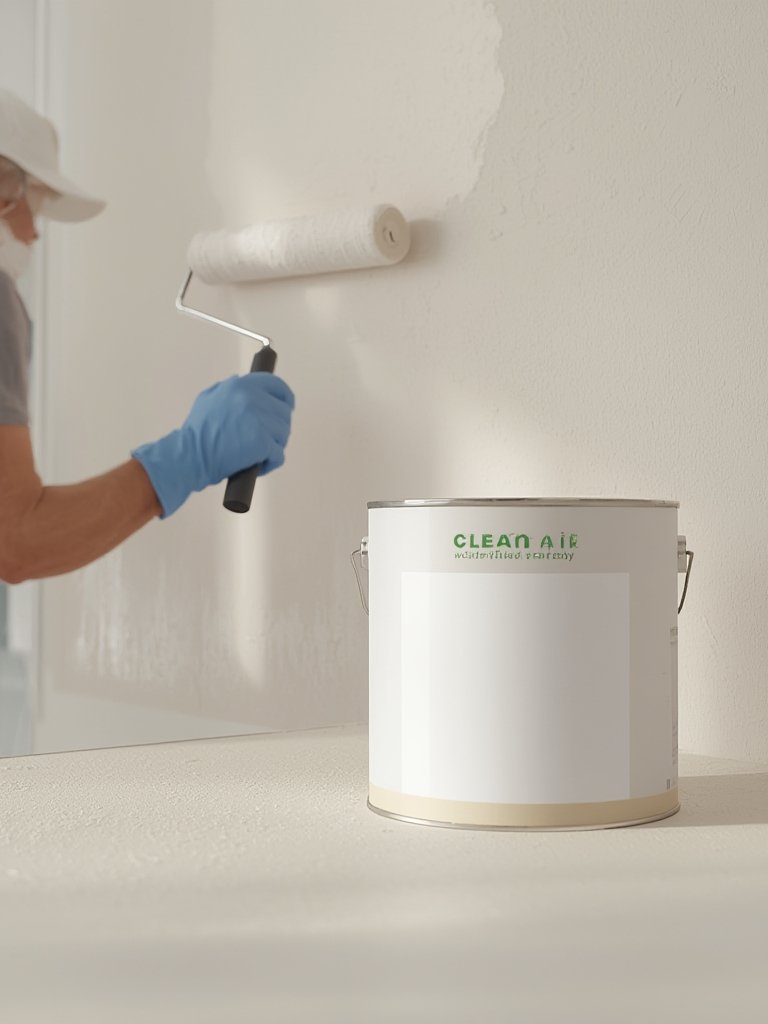
Want more paint-friendly home upgrades? Try installing a garage shelving unit to store paint safely away from living areas, or optimize your bedroom with a velvet closet organizer for chemical-free order after your fresh coat dries.
Advanced Analysis & Pitfalls: What Most Get Wrong
There’s a lot brands don’t tell you about clean air paint interior. Here’s what’s realistic—good and bad—based on recent research, industry certifications, and what’s missing from most top 2026 non-toxic paint guides:
Common Problems & Limitations
- Zero-VOC doesn’t mean zero emissions. Even the cleanest paints still off-gas trace chemicals for weeks or months, especially in poorly ventilated spaces (study).
- Lack of user feedback on odor and durability. Real-world consumer reviews are thin on whether zero-VOC paints truly “smell less” or last as long. Most 2026 buyer’s guides skip over cleaning ease, touch-up quality, or toddler-safe durability for top brands.
- Hidden costs. Some low-VOC paints cover less per gallon or require more coats and pricier specialty primers, driving up your materials bill—even if per-gallon retail looks similar (market research).
- Paint as “purifier” is not proven. Many brands market “air purifying” paint, but there’s currently no strong evidence showing it removes formaldehyde or VOCs already present in the air. Most studies only measure emission reduction, not true active purification (source).
What’s (Actually) In—and Out—of Non-Toxic Paints?
| Ingredient | Included in Clean Air Paints? | Known Health Impact |
|---|---|---|
| Water-based acrylic or latex binders | Yes | Generally safe—minimal emissions when dry |
| Low/ultra-low VOC solvents | Yes (much reduced) | Short-term irritants; risk much lower |
| Ammonia, chlorine, synthetic fragrance | No | High risk of irritation; avoid in nurseries/bedrooms |
| Formaldehyde, benzene, toluene | No (banned in non-toxic paints) | Carcinogenic, neurotoxic, high VOC |
| Natural mineral pigments | Sometimes | Generally safe, but some may slightly increase cleanup effort |
For a truly safe space, pair clean air paint changes with other smart home updates—like choosing easy-clean washable rugs to limit dust buildup or adding an AFCI breaker upgrade for overall home safety.
Conclusion
Switching to clean air paint interior is one of the simplest ways to create a safer, healthier home environment—especially for children, asthma sufferers, or anyone prioritizing long-term wellbeing. While no paint is truly chemical-free, low or zero-VOC certified products backed by transparent testing and credible certifications offer clear health advantages. Be realistic about lingering odors, coverage quirks, and the value of aggressive ventilation after every coat. For the healthiest results, align your painting with other smart home upgrades—and keep using the phrase clean air paint interior when searching, to find only the latest science-backed options. Ready to start? Use the guide above, monitor your indoor air post-paint, and invest in a home that keeps getting healthier.
Take control of your air: Choose a certified clean air paint, ventilate diligently, and check out our other home wellness guides for a truly safe sanctuary.
Frequently Asked Questions
Does clean air paint interior really eliminate all VOCs?
No. Even “zero VOC” paints can emit small amounts of VOCs and other chemicals for weeks or longer after use. Certified low-VOC paints dramatically reduce total off-gassing, but cannot completely eliminate all emissions.
Is it safe to paint a nursery or child’s bedroom and move in immediately?
It is safest to wait at least 1-2 weeks while ventilating the space, even with clean air paint. Paint may be dry to the touch and appear odorless, but low-level emissions can persist. Children and babies are particularly sensitive and should not sleep in freshly painted rooms right away.
What certifications should I look for in clean air paint interior products?
Look for independent, third-party certifications such as Asthma & Allergy Friendly®, EWG Verified, or EPA Safer Choice. These programs test for both immediate and lingering VOC emissions and verify safe ingredients for sensitive groups.
Are there any hidden costs with low/zero-VOC paints versus traditional paints?
Sometimes yes. Certain low-VOC paints may require more coats, specialty primers, or have slightly lower coverage per gallon—this can raise your true project cost compared to conventional paint. Evaluate coverage claims and check if primer is recommended.
Is “paint that purifies air” a real thing?
So far, no independent studies confirm that air purifying paints actually remove significant pollutants from indoor air. These paints primarily offer emission reduction (lowering new pollution), not active purification of existing air.
—