

Butler’s pantry design is quickly becoming one of the most sought-after home features in 2024, offering functional storage, appliance integration, and clutter control for busy kitchens and modern families.
Key Takeaways
- Butler’s pantries are increasingly popular for new builds and renovations due to their organizational and functional appeal.
- Trends highlight specialty storage, appliance stowage, and concealed organization as key design drivers in 2024.
- Retrofit challenges include spatial constraints, workflow disruptions, and unexpected costs when adding butler’s pantries to older homes.
- What Is a Butler’s Pantry and Why Add One?
- How to Design and Build a Butler’s Pantry (Step-by-Step)
- Advanced Analysis & Common Pitfalls
- Conclusion
- FAQ
What Is a Butler’s Pantry and Why Add One?
A butler’s pantry is a dedicated space, typically adjacent to your kitchen or dining area, designed for storage, meal prep, staging, and concealing countertop clutter. It typically includes cabinetry, counter space, and sometimes extra appliances like undercounter refrigerators, built-in microwaves, or even wine coolers. Modern butler’s pantries are tailored for homeowners who prioritize organized living, entertaining, and storage efficiency. Trends from the 2024 kitchen design reports show that families want these pantries to double as both staging areas and storage solutions, keeping the main kitchen sleek and clean.
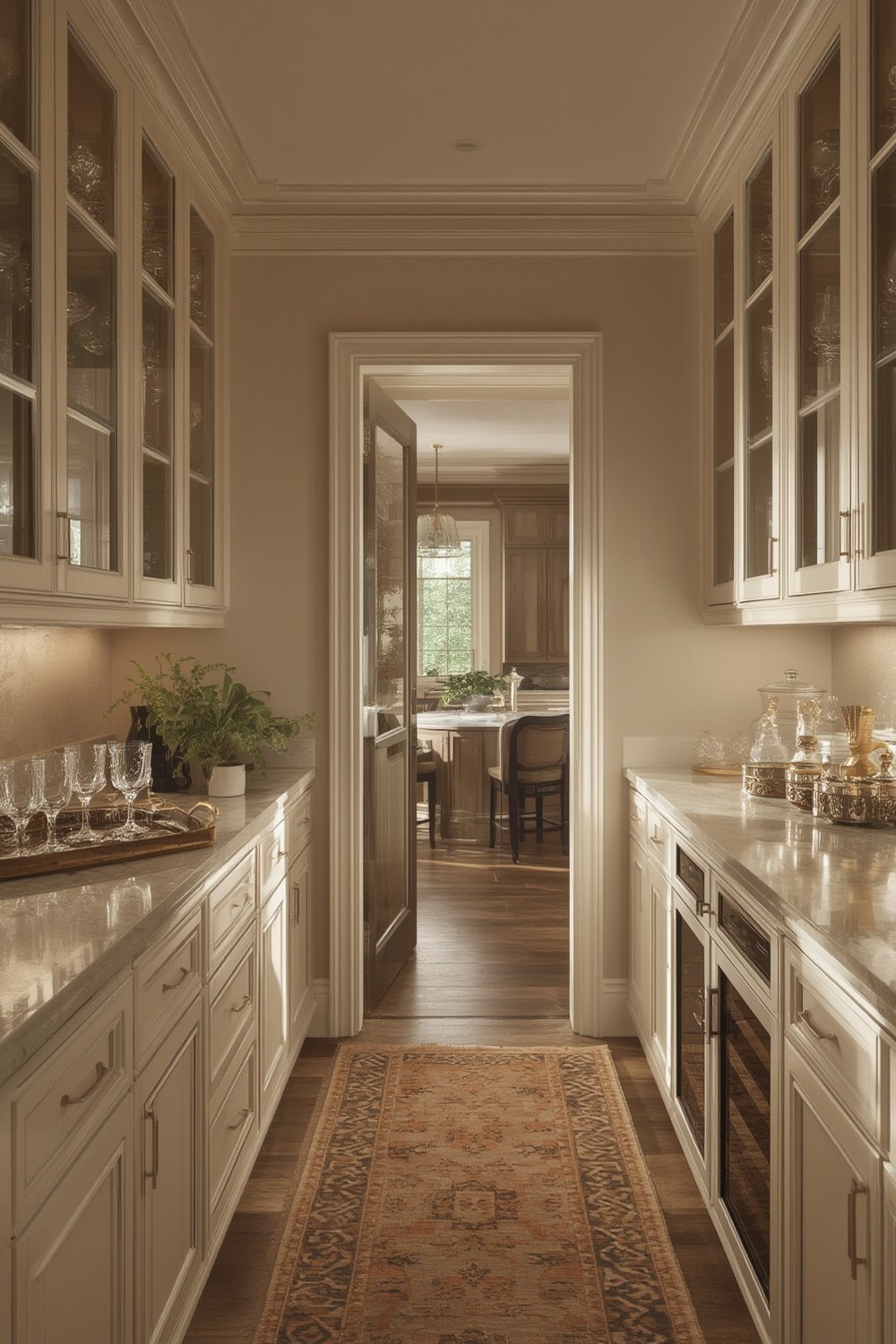
One of the main reasons homeowners add a butler’s pantry is its powerful impact on organization. According to the 2026 Houzz U.S. Kitchen Trends Study, 7 percent of kitchen renovations now feature a butler’s pantry or prep kitchen. The two top motivations cited: keeping clutter out of sight (30 percent) and gaining extra storage (22 percent).
These spaces aren’t just a fad—they’re changing the way people use their homes, especially as meal prep rates rise and kitchens continue to anchor daily life. For more tips on maximizing kitchen layout and material performance, see our SPC flooring durability guide and washable rug protection tips.
How to Design and Build a Butler’s Pantry (Step-by-Step)
Ready to add a butler’s pantry to your home or remodel project? Planning is everything—start with layout, then move into cabinetry, appliances, and clutter-busting solutions. Here’s how to do it.
- Assess Your Space: Measure your available footprint. Even small nooks can be transformed into a functional butler’s pantry with smart layout and the right shelving. A minimum width of 5 feet is ideal, but even 3 feet can work with careful planning.
- Plan the Workflow: Map out the path from your refrigerator and prep area to the pantry. Keep the butler’s pantry close to the main kitchen for maximum efficiency—especially for hosting events or daily family meals.
- Choose Storage Types: Today’s trends heavily favor enclosed cabinetry (59 percent), deep drawers, pull-out bins, and dedicated trays for pans and spices. Floor-to-ceiling cabinets maximize storage potential and keep mess out of sight.
- Integrate Appliances: Consider compact undercounter refrigeration, like a U-Line beverage center (expert tip), or a built-in microwave. Align electrical and plumbing needs early, since retrofitting can mean extra costs and permits.
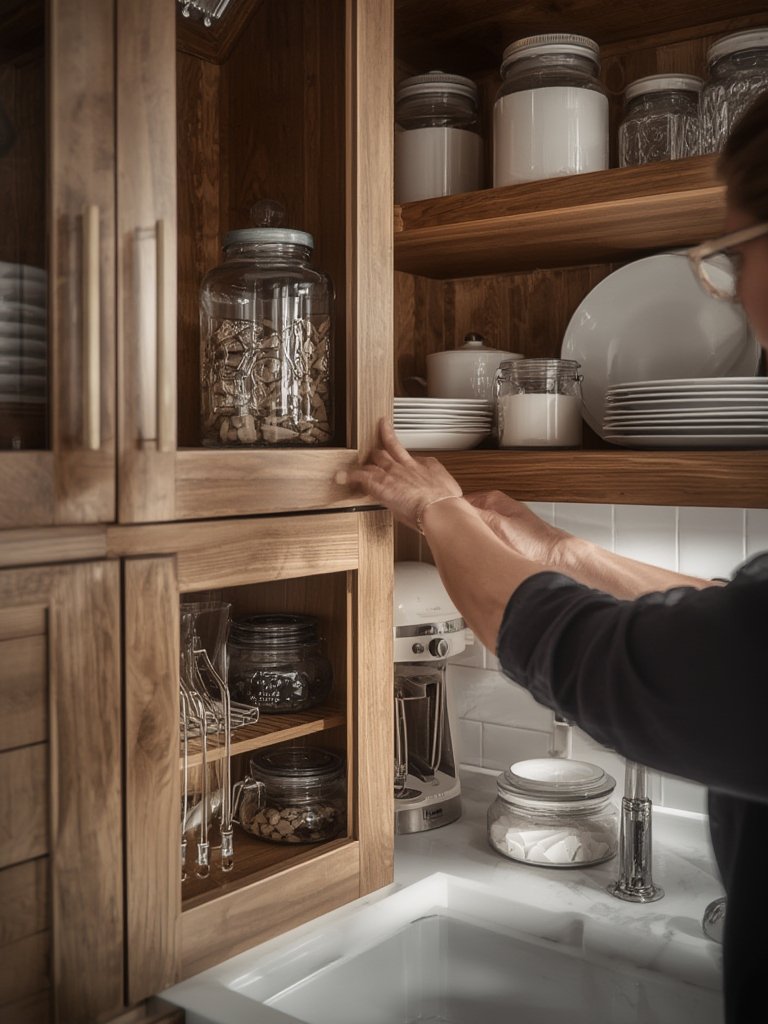
- Maximize Accessibility: Include pull-out spice racks, tray dividers, lazy Susans for corners, and labeled containers. Opt for at least one workspace countertop for prepping snacks or staging dishes.
- Finish With Style: Butler’s pantries are now getting bold: think statement hardware, dark paint, or wallpaper. Don’t be afraid to show some personality as you close the door.
If you’re seeking further organization and noise control, check out our guide to using fluted panels for improved acoustic dampening in adjacent rooms. This can help when kitchen and pantry noise echo through open floor plans. For energy savings with kitchen appliances, our heat pump water heater guide is a worthwhile deep dive.
Advanced Analysis & Common Pitfalls
Even with careful planning, creating a butler’s pantry comes with unique challenges. Here’s what you need to know before you invest substantial time or money:
- Space Limitations: Older homes may not have leftover square footage for a separate pantry. Retrofitting requires creative solutions or sacrificing other storage elsewhere. According to Houzz, 38 percent of kitchen renovations are prompted by deteriorating or non-functional layouts, indicating possible retrofit headaches.
- Workflow Disruption: If the butler’s pantry is too far from the kitchen or separated by doorways and hallways, it can become inconvenient rather than helpful.
- Hidden Costs: Adding electrical for refrigeration, plumbing for a prep sink, or additional HVAC can push costs beyond initial budgets—especially in existing homes. Custom cabinetry and specialty storage features are premium upgrades.
- Storage Overlap: Without clear zones and labels, things may migrate between your main kitchen and the pantry, causing confusion and wasted space.
| Feature | Butler’s Pantry | Walk-In Pantry |
|---|---|---|
| Primary Use | Prep area, extra appliance space, concealed storage | Bulk food storage, open shelving, some prep area |
| Appliance Integration | High (undercounter fridge, microwave, sink) | Low (mainly shelves and some small appliance storage) |
| Accessibility | Typically off kitchen; may be narrow | Often larger; walk-in accessible |
| Privacy | Conceals mess; ideal for entertaining | Less concealed when door is open |
| Design Challenge | Requires more utilities; retrofitting is costly | Needs more floor space; not always practical in smaller homes |
Walk-in pantries remain a staple (16 percent of kitchen upgrades, per Houzz), but do not always deliver the multi-purpose functions of a well-designed butler’s pantry. Hidden pantries may add privacy but often at the expense of immediate access.
For households tight on space, ventless washer dryer combos are a parallel example of how to maximize utility without needing exterior venting or large footprints—see our tips on saving space with ventless laundry units.
Conclusion
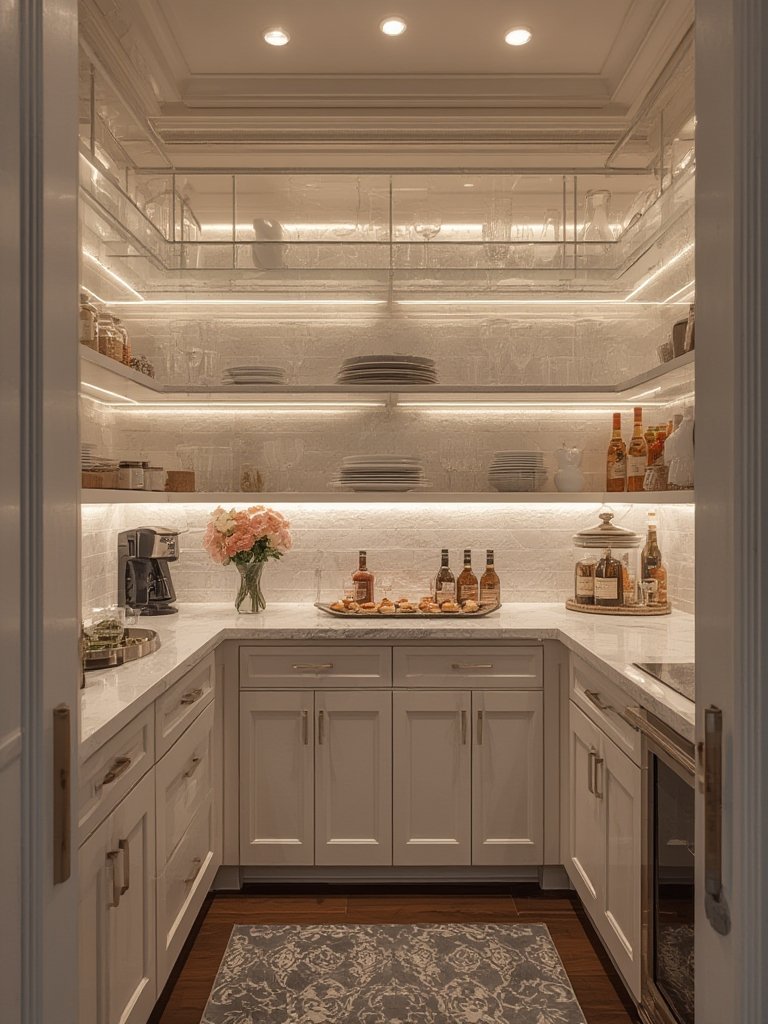
Butler’s pantries stand out as a top kitchen trend in 2024 for good reason—they buffer clutter, boost organization, and extend your kitchen’s functionality when built with diligence and realistic expectations. Think carefully about your available space, workflow, and what you actually store every week before jumping in. If you’re ready for more custom storage solutions or energy-efficient appliances, review our linked guides above—or start sketching your butler’s pantry on paper today. Ready to elevate your kitchen? Start now and transform your daily routines.
FAQ
What is the main purpose of a butler’s pantry?
The main purpose is to provide extra storage and prep space, keeping countertop clutter and small appliances out of sight for a cleaner kitchen look and better organization.
How much space is needed to add a butler’s pantry?
Ideally, a butler’s pantry is at least 5 feet wide, but many homeowners creatively repurpose spaces as narrow as 3 feet. Planning and smart cabinetry design are key.
What are the best storage solutions for a modern butler’s pantry?
Enclosed floor-to-ceiling cabinetry, deep pull-out drawers, sliding trays for pans and spices, cutlery dividers, appliance garages, and pull-out trash or recycling bins are popular options.
Do butler’s pantries add value to my home?
While no precise ROI data exists for 2024, industry trends show that butler’s pantries are a desirable asset in luxury homes due to their organization and functional benefits.
How is a walk-in pantry different from a butler’s pantry?
Walk-in pantries are usually larger and focus on bulk storage with open shelving. Butler’s pantries serve as an extension of the kitchen, often including appliances and prep counters, with storage concealed behind cabinetry.