

Biophilic design indoor outdoor integration is changing how we live, work, and feel inside our homes. More than ever, people want health-focused spaces that connect directly to nature—indoors and out. Backed by 2024 research, this guide explains what works, how to implement it step by step, and the real-world issues you’ll need to solve for a seamless, productive indoor-outdoor living environment.
Key Takeaways
- Biophilic design enhances well-being, productivity, and air quality when indoor and outdoor spaces merge.
- Common pitfalls include overlooked technical constraints, regulatory hurdles, and ongoing maintenance challenges.
- 2024 trends feature modular, sensory-rich, and tech-integrated biophilic elements for flexible, future-ready homes.
- The Core Concept: What Is Biophilic Design Indoor Outdoor Integration?
- Step-by-Step Guide: Bringing Biophilic Design Indoors and Out
- Advanced Analysis & Common Pitfalls
- Conclusion
- FAQ
The Core Concept: What Is Biophilic Design Indoor Outdoor Integration?
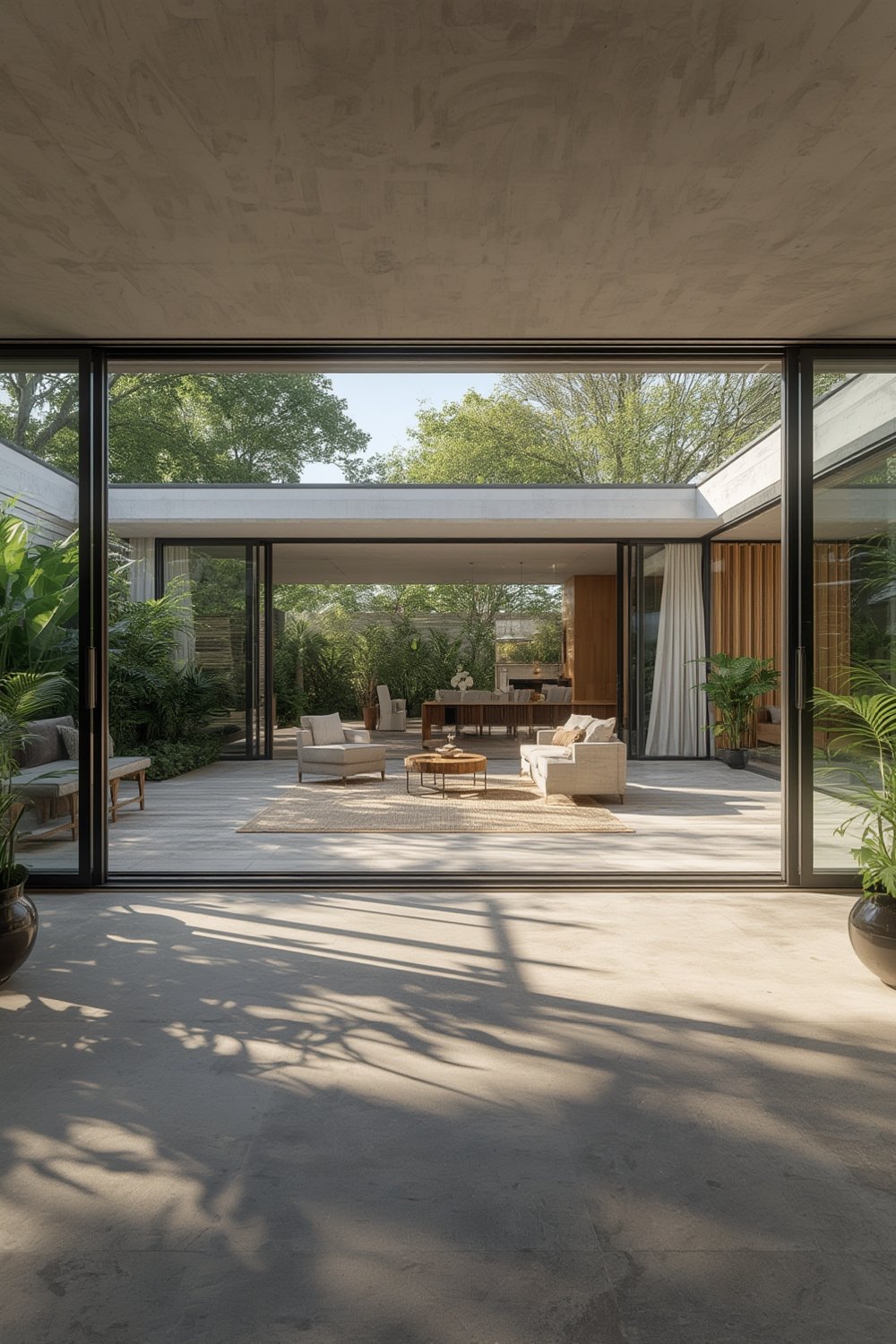
Biophilic design indoor outdoor integration means blending natural elements—light, air, plants, and views—across your home’s boundaries. Instead of isolating your indoors from nature, this approach creates fluid transitions between living rooms, patios, gardens, and even courtyards. The latest research confirms real health, mood, and productivity benefits:
- Reduced stress, lower pain levels, and better emotional well-being.
- Statistically significant improvements in mental recovery and attention (2024 study).
- Better air quality and thermal comfort from increased plant life indoors and out (source).
- Faster recovery times and lower stress in settings like hospitals and workplaces (2024 review).
By combining living walls, earth-toned materials, maximized daylight, and organic forms, you can improve both well-being and property value. It’s not just about plants: it’s about designing for psychological comfort, refuge, and even enhanced air quality.
Step-by-Step Guide: Bringing Biophilic Design Indoors and Out
- Assess Your Space and Natural Assets
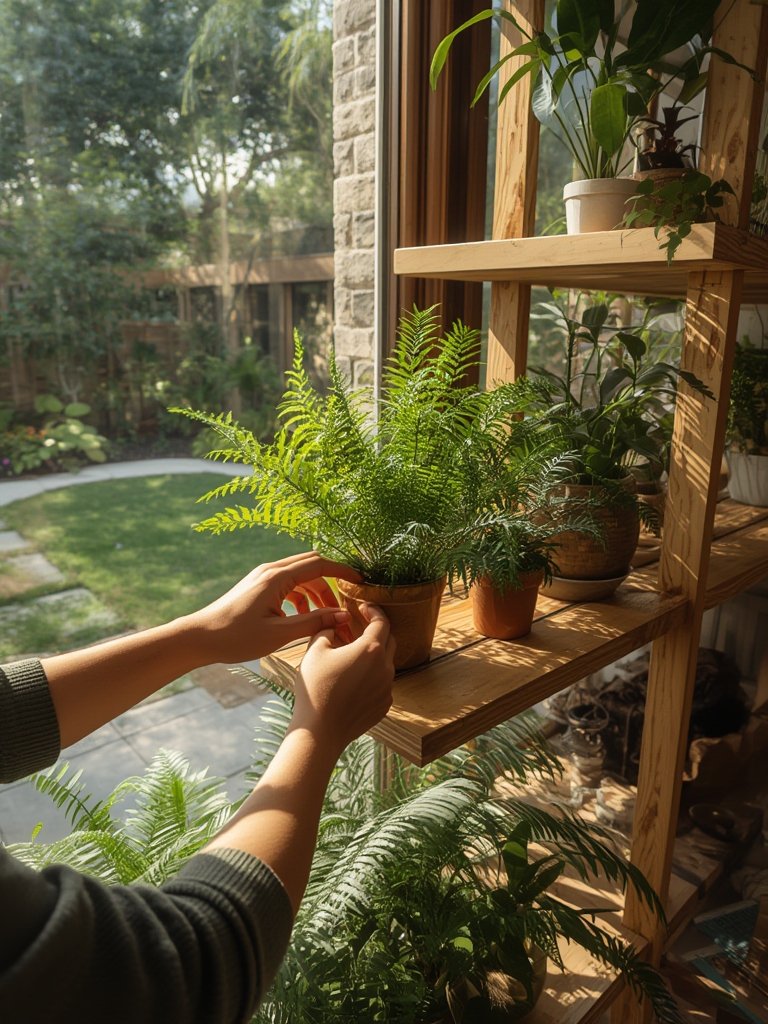
Start by noting available daylight, garden access, and airflow patterns. Map possible transitions (patio doors, window seats, sunrooms) to blur indoor/outdoor lines. - Choose Plant Species for Your Climate
Match interior and exterior plants for visual cohesion, but prioritize hardiness to your microclimate to avoid costly replacements and maintenance. - Maximize Daylight and Natural Views
Replace small windows with sliding glass or bi-fold doors where possible. Position seating and workspaces to face greenery or sky. - Incorporate Living Walls and Modular Vertical Gardens
Use simple kits for herbs or opt for professionally-installed systems for larger effect. Modular green wall systems offer easy maintenance and seasonal flexibility. - Add Sensory Layers (Textures, Scents, Water Features)
Use natural materials like wood or stone, soft rugs for touch, subtle scents from potted herbs or flowers, and water bowls for gentle sound. - Integrate Smart Controls for Light, Climate, and Irrigation
Install smart window shades, lighting that mimics natural changes, and automated irrigation to keep indoor/outdoor plant care stress-free.
For enhanced comfort, consider superior insulation and weatherproofing for connecting areas. Upgrading to high-performance glass or energy-efficient sliding doors can control temperature swings—similar principles as those used to boost savings with a heat pump water heater, which manages energy flow for consistent comfort and reduced cost.
Go beyond greenery: try fluted wood panels for acoustic dampening in transition zones (see acoustic guide) so lively outdoor sounds don’t disrupt indoor calm. Thoughtful acoustic treatment can be as important as any plant choice.
Advanced Analysis & Common Pitfalls
While the benefits of biophilic design indoor outdoor strategies are clear, actual implementation in homes reveals many challenges:
- Climate Suitability & Plant Survival:
Homeowners frequently overlook local temperature swings, wind exposure, or drought—key factors that affect plant survival on living walls or in exposed patios. Improper plant selection leads to costly replacements and frustrated attempts at maintenance. - Insulation, Weatherproofing, and Energy Efficiency:
Large glass doors and open transitions can undermine thermal performance. This can increase HVAC loads unless you choose high-efficiency windows, quality gasketing, and carefully planned insulation—much like choosing SPC flooring for waterproofing and durability (see comparison). - Maintenance Complexity and Water Management:
Living walls require irrigation, drainage, and sometimes artificial lighting. Clogged irrigation or leaks can lead to water damage, especially when walls cross indoors and out. - Building Codes & Regulatory Barriers:
Top-ranking articles often ignore permitting, setback requirements, and sometimes fire safety restrictions related to extensive plant installations or new openings. Always consult local regulations before major biophilic upgrades. - Biodiversity and Eco-Impact:
Using non-native or invasive plants can threaten local ecosystems. Product choices should favor eco-friendly, locally-adapted, and bio-based materials (study). - Cost & Longevity Uncertainties:
As of 2024, it’s difficult to find clear information about cost, maintenance, or the lifespan of green walls versus traditional living installations. Professional installation and high-end materials add to upfront expense.
| Aspect | Green Wall (Modular) | Traditional Living Wall |
|---|---|---|
| Maintenance | Easier, often modular for replacement | Complex, often needs professional care |
| Cost (2024) | Unclear; ranges widely by system | Unclear; professionally installed systems are expensive |
| Longevity | Potential for longer life if modular; data needed | Dependent on ongoing care and system design |
* Clear 2024 price/maintenance data is lacking; always consult local suppliers.
Another overlooked issue is acoustics and sound transfer in seamless spaces. Integrating ventless washer dryer units (see space guide) or smart appliances can free up space but sometimes add unexpected noise—acoustic treatment is essential.
Conclusion
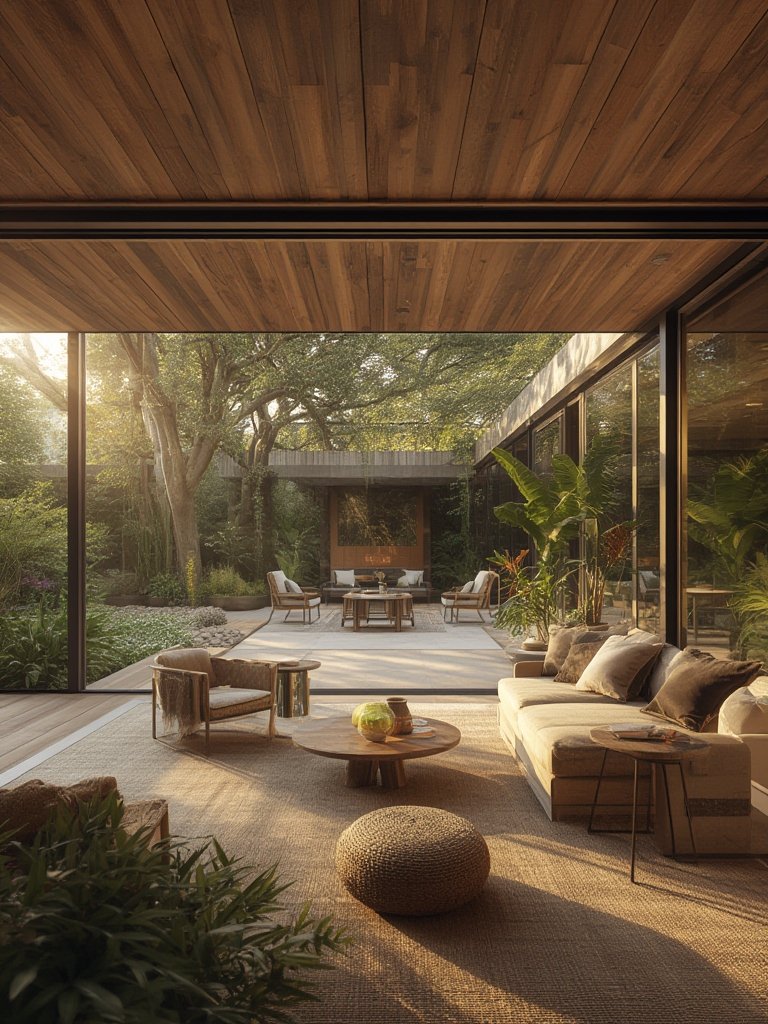
Blending biophilic design indoor outdoor features transforms your home into a health-centric, inspiring space—backed by science. Success depends on careful plant selection, insulation, and regulatory awareness. This approach isn’t fail-proof, but the well-being and productivity advantages make it worth exploring. If you’re ready to take your home to the next level with biophilic design indoor outdoor strategies, start with small changes and scale up, or consult a holistic architect for a custom plan.
Explore guides on energy-saving appliances, sound control, floor protection, durable flooring, and space-maximizing laundry solutions to build a modern, responsive home ecosystem.
FAQ
What is the first step to adding biophilic design indoor outdoor elements to my home?
Start by assessing your indoor and outdoor spaces for light, airflow, and ease of movement. Look for natural connections—big windows, garden-facing doors, or areas where you can visually or physically blend zones. Matching plant species to your local climate is essential.
How do I maintain a living wall that spans indoors and outdoors?
Choose modular systems with built-in irrigation and easy access panels. Monitor for water leak risks, ensure regular maintenance, and select plants adapted to both sun and shade. Consult professionals for periodic system checks.
Are there downsides to seamless indoor-outdoor living spaces?
Possible downsides include decreased insulation, higher HVAC costs (if large glass doors/windows aren’t efficient), insect ingress, building code challenges, and plant maintenance demands. Addressing these early with smart design avoids most headaches.
What are popular 2024 trends in biophilic design for homes?
Key trends include multi-sensory spaces, tech-enabled control of lighting and irrigation, bio-based materials, and modular vertical gardens. Sensory integration and smarter systems are making biophilic experiences more accessible and flexible for homeowners.
How do I avoid regulatory problems with biophilic renovations?
Research local building codes before starting any major renovation. Check specific regulations for structural changes, large plant installations, water features, and fire safety. Consider working with a licensed architect or contractor to navigate permits and compliance.
—