

Home battery storage system adoption is accelerating, but so are the questions about real-world performance, installation headaches, and cost. If you want a home energy solution that goes beyond hype, understand the facts, costs, and practical steps before you buy.
Key Takeaways
- Residential battery storage is seeing record growth in the US, with over 1,250 MW installed in 2024 and strong incentives in play.
- Most home battery systems offer 1 to 4 hours of backup—misjudging capacity and installation needs is a common pitfall.
- Sizing, system type (hybrid vs. standalone), and knowing your utility’s incentives are critical for ROI and reliability.
- What Is a Home Battery Storage System and Why Should You Care?
- How to Plan and Install a Home Battery Storage System: Step-by-Step
- Advanced Analysis and Common Pitfalls (What Most Miss)
- Conclusion
- FAQ
What Is a Home Battery Storage System and Why Should You Care?
A home battery storage system lets you capture electricity—often solar—when it’s cheap or available, then use it later when prices spike or the grid fails. These batteries, usually lithium-ion, are wall-mounted boxes wired into your main electrical panel. They provide backup, shave peak energy use, and increase your home’s resilience and long-term savings.
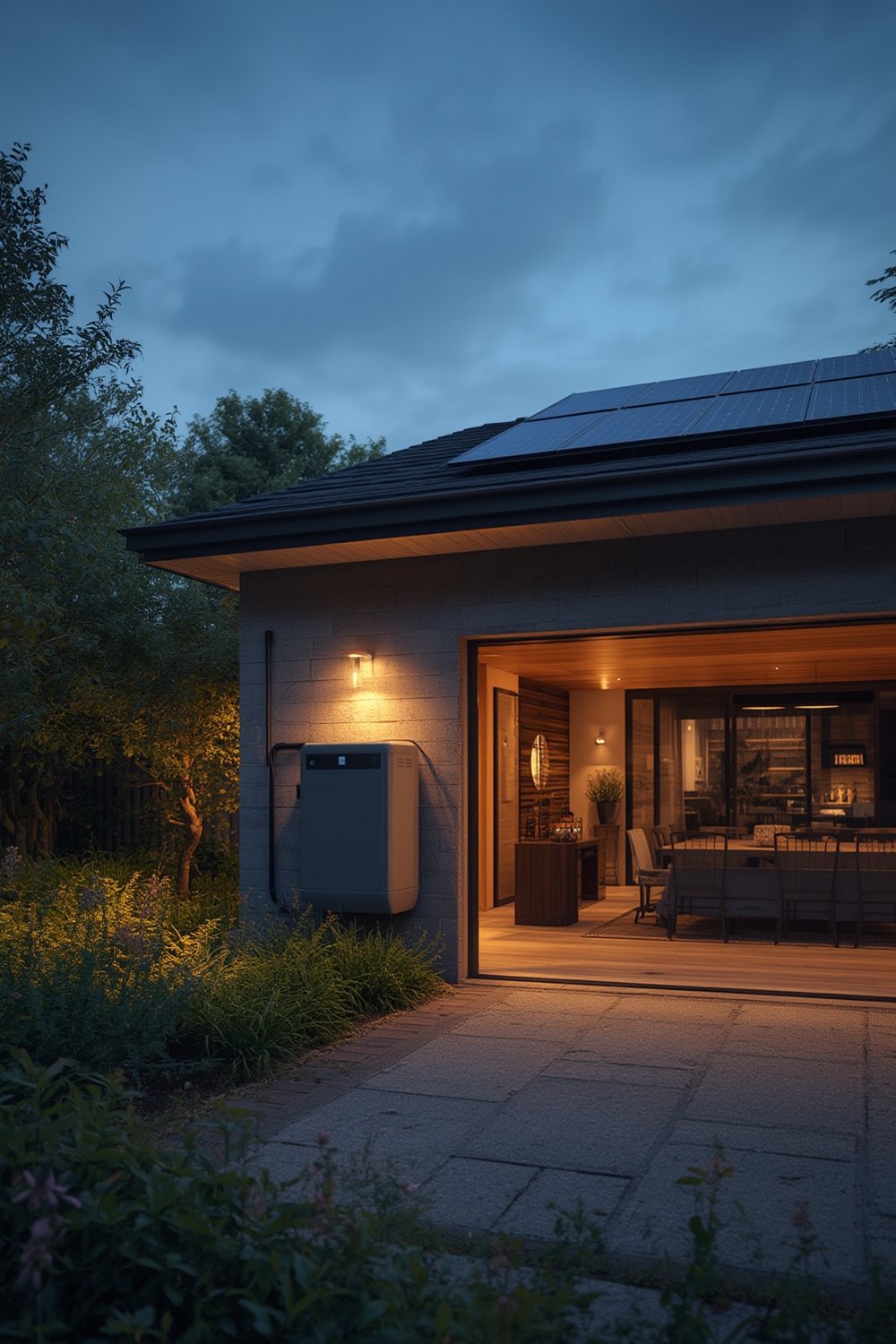
In 2024, the US smashed energy storage records, with over 1,250 MW residential battery storage installed. California, Arizona, and North Carolina led the way, even as demand outpaced supply.
Why does this matter? Power outages, time-of-use rates, and the rising push for sustainability are all driving homeowners to invest in backup and load-shifting solutions that actually perform. From maximizing solar returns to blackout protection, a home battery is increasingly a “must consider”—but you need to navigate technical, financial, and installation issues to make it work.
Want the most out of your energy system? You might also be interested in strategies like a heat pump water heater or optimizing SPC flooring for efficient homes.
How to Plan and Install a Home Battery Storage System: Step-by-Step
- Assess Your Goals: Decide if you need emergency backup, peak cost reduction, or maximum solar self-consumption. The best system for one goal may not fit another.
- Understand Your Home’s Energy Load: Examine your past utility bills, identify critical loads, and estimate peak usage. A 5-kW/12.5-kWh system is “average” per NREL, but your needs may differ.
- Check Compatibility: Confirm your existing solar inverter (if any), main panel, and local codes support battery retrofit or expansion. Don’t forget indoor vs. outdoor mounting needs.
- Explore Incentives and Rebates: Research your state and utility programs. Examples: California’s SGIP, New York’s clean energy credits, and Massachusetts SMART. Federal tax credits may cover a substantial portion.
- Get Multiple Quotes: Compare leading brands (Tesla, LG, Generac), scrutinize warranty periods, and ask about labor costs. Some utilities offer bundled deals.
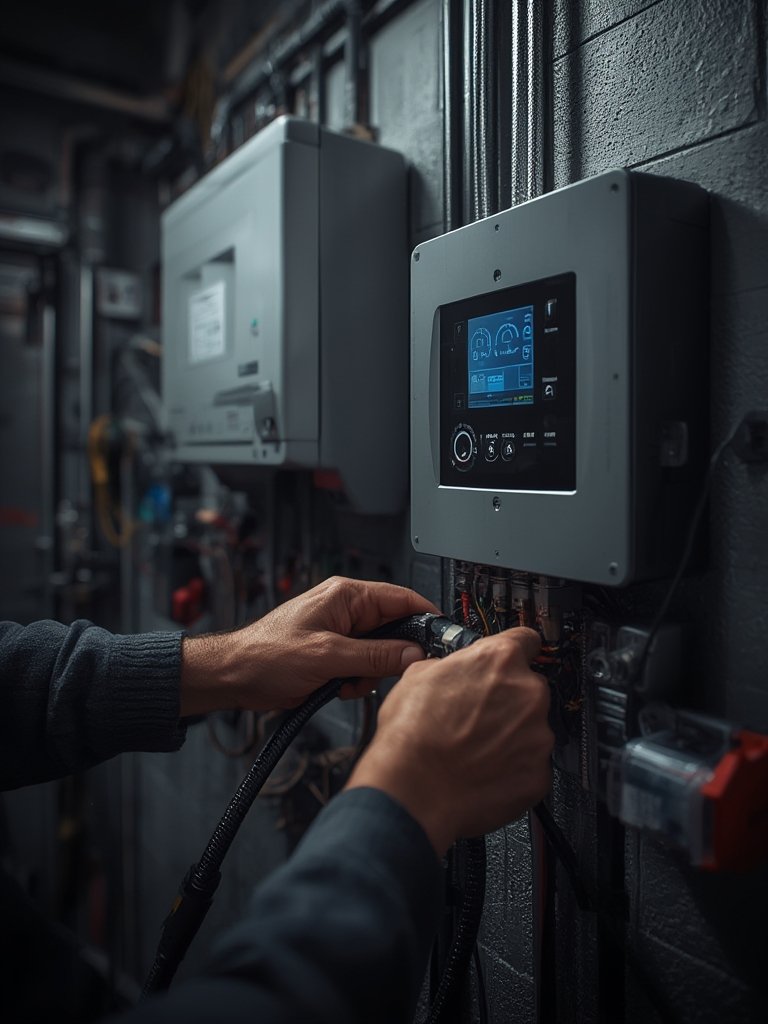
- Schedule a Site Visit: Pros assess wiring, panel location, and safety. Installation typically takes 1–2 days but may require panel upgrades.
- Maintenance and Monitoring: Use the app to check performance. Ask about maintenance—annual checks may be required. Note that batteries gradually lose capacity over time.
Some homeowners also improve home efficiency to maximize battery ROI. Consider upgrades like washable rugs that boost floor insulation or fluted panels for noise control—comfortable homes make the most of every stored kilowatt-hour.
Advanced Analysis and Common Pitfalls (What Most Miss)
Even with record market adoption and strong incentives, buyers encounter costly pitfalls. Here are the most realistic issues based on current research and field experience.
- Underestimating Backup Duration: Most residential batteries deliver only 1–4 hours of power at whole-home load—less if you run AC or electric heat. Multi-day outages will require generator backup or severe load shedding.
- Ignoring Installation Complexity: Not all homes can easily accommodate a battery. Tight spaces, outdated panels, or lack of code compliance can add thousands in upfront costs.
- Limited Public Info on Brand Comparisons: As of 2024, there is little direct public data comparing brands like Tesla Powerwall, LG, and Generac. Always ask installers for side-by-side specs including available capacity, warranty, and monitoring features.
- Unclear Incentive Structures: Incentives can make or break ROI, but federal and utility rebates change yearly. Verify details via your state’s energy office or recent industry reports before purchasing.
| Issue | Impact | How to Avoid |
|---|---|---|
| Sizing Battery Incorrectly | Under- or over-spending; inadequate backup | Audit your critical loads; consult a qualified installer |
| Missed Incentives | Lost financial savings, lower ROI | Check latest state, utility, and federal perks before purchase |
| Unexpected Installation Costs | Budget overruns due to panel or structural upgrades | Request itemized quotes and pre-installation inspections |
| Assuming All Brands Perform Equally | Possible reliability, warranty, or monitoring issues | Ask for real-world references and independent test data |
To prepare further, consider reading about space-saving home appliances and energy-efficient upgrades. Improving your overall home energy profile will help your battery system perform its best.
Conclusion
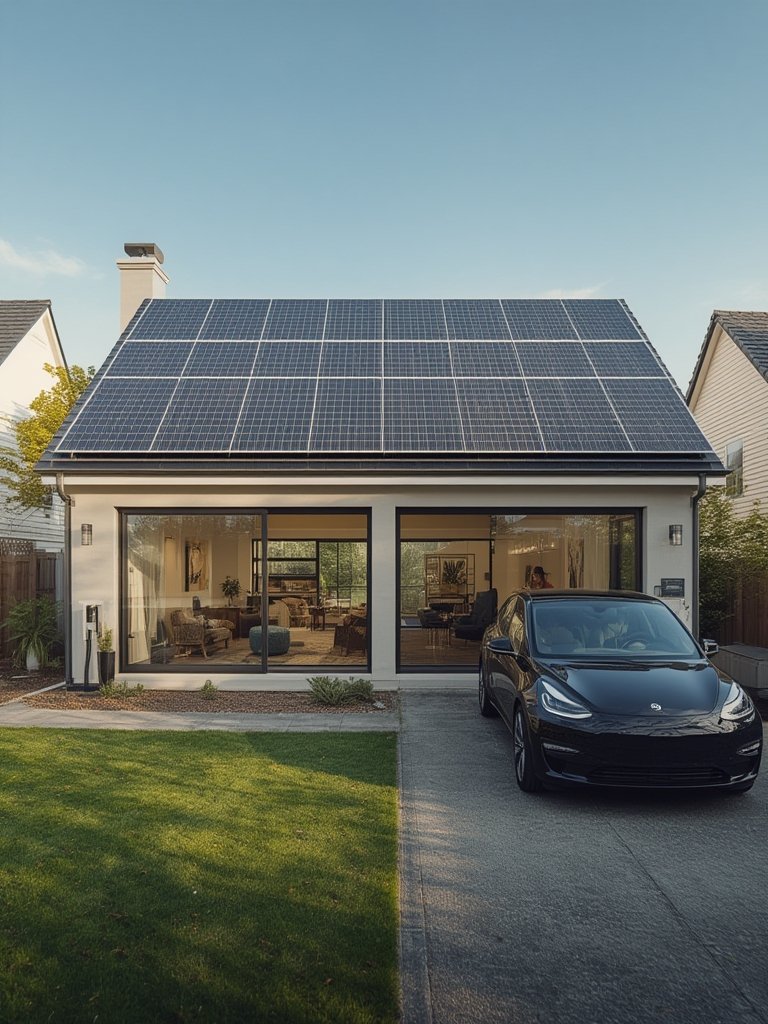
Choosing a home battery storage system in 2024 means weighing incentives, real backup demands, product specs, and site realities. While adoption is soaring, data gaps about consumer satisfaction, direct brand comparisons, and outage performance window remain—so diligence pays. If you want a resilient, efficient home, now is a strong time to evaluate your own home battery storage system goals and start requesting site-specific quotes.
Ready to increase your home’s energy independence? Research local incentives and consult a pro today—the savings and resilience benefits can be significant.
FAQ
How much does a home battery storage system cost in 2024?
Costs vary by brand, size, and region. Expect $12,000–$18,000 installed before incentives for a typical 10–13 kWh system. Local rebates and federal tax credits may offset 25–30% or more.
How long will my home battery run my house during a blackout?
Most residential systems offer 1–4 hours of whole-home backup. Focusing on essential “critical loads” can stretch a 10–13 kWh battery for 8–12+ hours, but AC, heaters, or well pumps drain capacity quickly.
Do I need solar panels to use a battery?
No, home batteries can be charged from the grid. However, combining with solar maximizes savings and allows for daytime charging during outages.
What are the most important technical considerations before buying?
Make sure your electrical panel is compatible, check fire and spacing codes, choose indoor/outdoor-rated models as needed, and verify your system size based on real household loads.
Are there maintenance costs for home battery storage systems?
Batteries require little day-to-day care but benefit from annual checks. Most systems come with 10+ year warranties, but expect gradual capacity loss (battery degradation) over time.