

Whole house dehumidifier cost is a critical factor when deciding how to protect your home from excess moisture, mold, and hidden humidity damage. Whether you’re comparing portable models to HVAC-integrated or crawl space systems, real installation and ongoing expenses can vary widely — and surprise many homeowners. If you’re considering a whole home solution, here’s a clear, practical breakdown of what you can really expect to pay, common pitfalls, and how to plan for the right dehumidifier investment.
Key Takeaways
- Whole house dehumidifier cost ranges from $1,100 to $3,500 installed for most homes; portable units are cheaper but far less effective for large spaces.
- Installation complexity, home size, and type of system (HVAC-integrated, crawl space, or standalone) are the main cost drivers to consider.
- Hidden ongoing costs include pump additions, maintenance, and possible ductwork modifications—budget for both initial setup and yearly upkeep.
- What is a Whole House Dehumidifier and Why It Matters
- Step-by-Step: Choosing & Installing the Right System
- Advanced Analysis & Common Pitfalls
- Conclusion: The Bottom Line
- FAQ
What is a Whole House Dehumidifier and Why It Matters
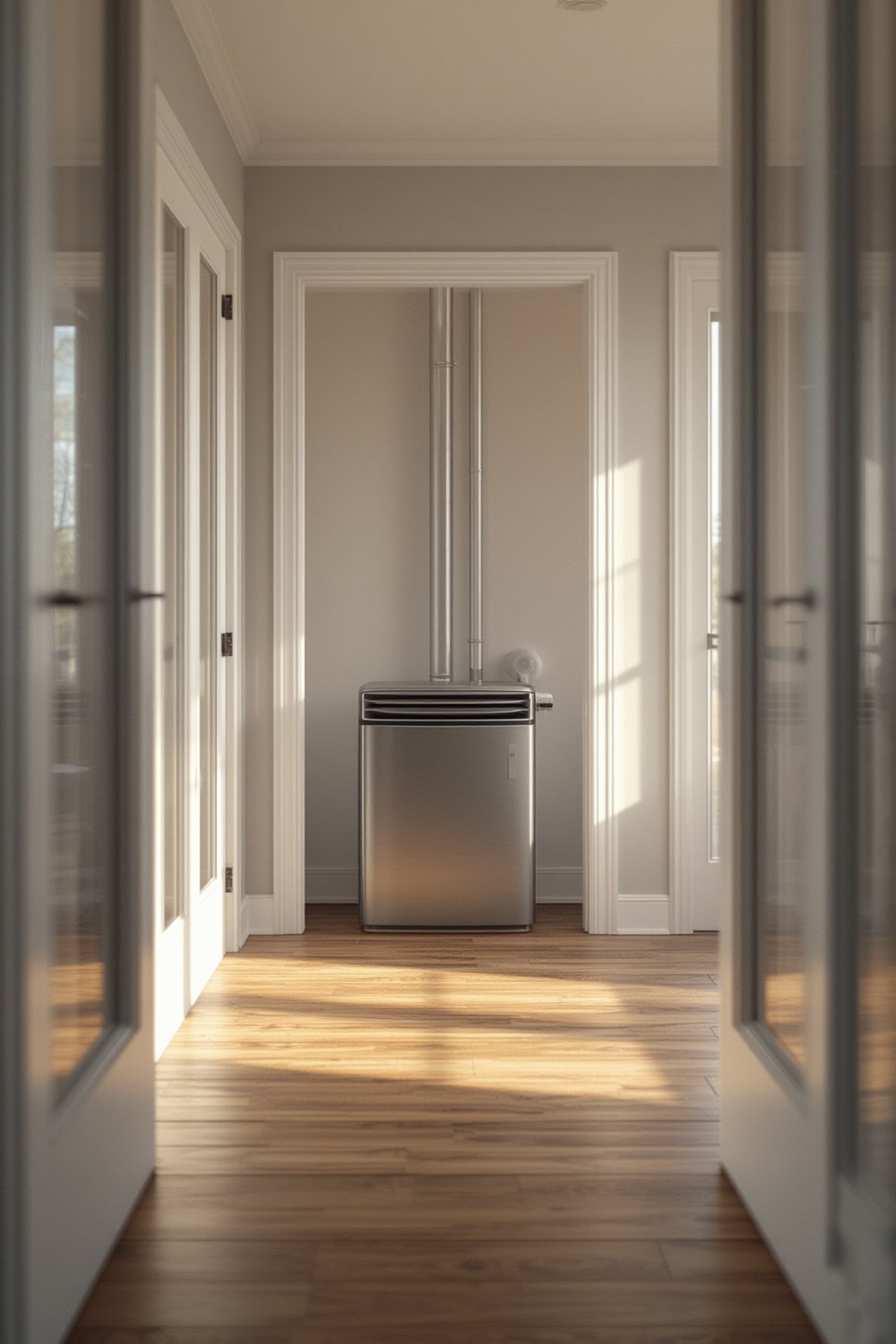
A whole house dehumidifier is a powerful device designed to control moisture levels across your entire home—unlike portable units that only handle single rooms. These systems either connect directly to your central HVAC or operate independent units in basements or crawl spaces, actively pulling excess water from the air to prevent mold, mildew, wood rot, and even protect your home’s structure and indoor air quality. If your home feels damp, you notice persistent condensation, or live in a high-humidity climate, relying solely on portable dehumidifiers often feels like a losing battle.
Investing in a whole house dehumidifier isn’t just about comfort — it directly impacts long-term repair bills and your ability to maintain a healthy living space. Homeowners looking to maximize organization and protect storage areas might also find value in pairing dehumidification with smart storage cabinet organization or dresser organizers for sensitive items.
Step-by-Step: Choosing & Installing the Right System
Follow these steps to ensure you get the best performance and value for your investment.
1. Assess Your Space and Humidity Needs
- Calculate your home’s total square footage and identify problem zones (e.g., basement, crawl space, attic, or whole home).
- If you’re only dealing with single-room issues, a portable dehumidifier may suffice ($130–$300 for medium, up to $500 for high-end large models). But these require frequent emptying and don’t help whole-home climate control. [source]
2. Choose Your Dehumidifier Type
- HVAC-integrated: Best long-term fix for full-home humidity. Expect unit + professional install cost of $1,500–$3,500. [see data]
- Basement/crawl space: Install cost $1,000–$3,000 depending on size and drainage complexity. Especially useful if you only have a ground floor moisture problem.
- Standalone/Portable (single room): Simple plug-in models. Cheapest upfront, but do not solve whole-home problems and require manual maintenance.
3. Compare Capacity & Brand Features
- Most HVAC whole home units start at 70 pints/day and go up to 200+. The higher the pint rating, the larger (and usually more costly) the unit. [brand pricing]
- Look for Energy Star models from leading brands such as Aprilaire, Carrier, Santa Fe, and Sani-Dry. Filters like MERV 8 are standard in modern units and significantly improve indoor air quality.
- Check tank size or, for ducted units, whether a drain pump is included — this minor upgrade saves time and mess over the years.
4. Factor in Installation Needs and Location
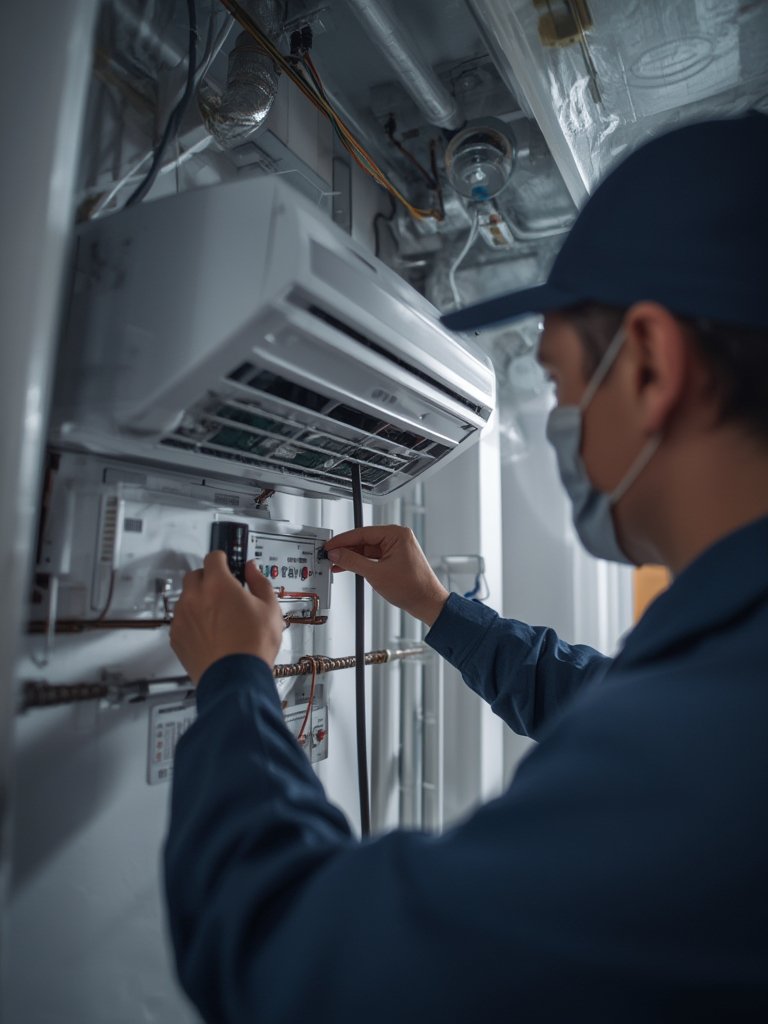
- Professional install: Always needed for HVAC-integrated and crawl/basement systems. Labor alone usually runs $500–$1,000. [installation info]
- Expect higher costs in certain regions. For example, Los Angeles or Newark typically runs $2,800–$3,600 for unit plus installation (with Juneau on the high end). Local labor rates may be even steeper in complex jobs or older homes.
- If you’re updating other home systems (like adding smart thermostats or AFCI breakers), discuss bundle pricing or access needs with your contractor.
5. Prepare for Ongoing Maintenance
- Whole home and crawl space dehumidifiers typically need Replace filters every 3-6 months. Replacement costs vary by brand.
- Check if your model requires occasional tank emptying or if it’s fully piped to a drain (preferred).
- For persistent or severe flooding, consider pairing your dehumidifier with a garage shelving system or hidden pantry storage to keep valuables elevated and dry.
Advanced Analysis & Common Pitfalls
Most buyers underestimate both the total cost and installation complexity of a true whole house dehumidifier. Here’s where things frequently go wrong – and what smart homeowners do to prevent issues.
Common Pitfalls to Avoid
| Issue | Portable Units | Basement/Crawl Space | HVAC-Integrated |
|---|---|---|---|
| Upfront Cost | $130–$500 | $1,000–$3,000 | $1,500–$3,500 |
| Coverage | One room only | Single zone/floor | Entire home |
| Installation Needs | DIY/Plug-in | Professional | Professional + HVAC |
| Hidden/Ongoing Costs | Manual emptying | Annual filter changes, pump maintenance | Ductwork mods, electrical work, filter/pump maintenance |
| Energy Use | Low | Moderate | Varies (usually higher) |
Other Real-World Problems
- Incorrect sizing: Too-small units will run constantly and never lower humidity enough. Oversized units cost more and may short-cycle, wearing out faster.
- Placement mistakes: Crawl space units may not drain properly, causing hidden water and even new mold problems. Always ensure correct drainage installation.
- Poor integration: HVAC add-ons require duct modifications; poor workmanship creates air leaks, reduced system efficiency, or cold spots.
- Maintenance neglect: Failing to clean or replace filters reduces effectiveness and can void warranties.
- Ongoing noise: Some homeowners find HVAC dehumidifiers add audible hum or vibration to ductwork, especially if undersized for the air volume.

For a deeper look at all the ways smart home upgrades can add long-term value and organization (while avoiding project frustrations), explore how garage shelving solutions and proper egress window installations support a dry, secure home.
Conclusion: The Bottom Line
When budgeting, whole house dehumidifier cost is far more than just the system price—it’s a careful balance of installation method, regional labor rates, and yearly maintenance. Expect $1,500–$3,500 for most professionally-installed central units, with crawl and basement solutions ranging $1,000–$3,000 depending on complexity. Always account for pumps, filters, and possible upgrades. Ready to tackle unhealthy humidity? Take direct action—contact a pro for an accurate quote, and refer back to this guide as a checklist to avoid project overages and future hassle. Need more in-depth organization tips or want to maximize every dollar spent? Dive into our home improvement guides before you start.
FAQ
How much does a whole house dehumidifier cost to install vs. a portable one?
Portable dehumidifiers typically cost $130–$500 and can be set up without professional help, but they only treat single rooms. Whole house (HVAC-integrated or crawl/basement) units range $1,100–$3,500 installed and require professional integration—but deliver full-home coverage and less manual maintenance. See details here.
Are there any surprise or hidden charges I need to budget for?
Yes. Besides the quoted install, you might need a condensate pump ($150–$500), ductwork modifications, or electrical upgrades. Expect ongoing costs for filter replacements and occasional servicing.
Can I install a whole house dehumidifier myself?
While portable units are DIY-friendly, true whole house or crawl space models require professional installation, ventilation, and safe electrical connection for warranty and performance. DIY installation is not recommended for anything beyond portable models.
How do I maintain a whole house dehumidifier?
Replace filters every 3-6 months, ensure the drain line remains clear, and have your HVAC technician check the system during annual inspections. Schedule repairs promptly to ensure continued humidity control.
Will a whole home dehumidifier help with mold prevention?
Yes. By maintaining indoor humidity at 30–50%, you prevent most mold and mildew growth. This benefit is not guaranteed if your system is too small or poorly maintained.