

Smart thermostat rebate 2026 is top of mind for homeowners seeking to balance comfort and energy savings with real, cash-back incentives from utilities and government programs. If you want to make the smartest move for your energy bills before the window closes, this guide tells you exactly what to expect for rebates in 2026, how to maximize approval, and which mistakes can cost you hundreds.
Key Takeaways
- Most smart thermostat rebate 2026 offers range from $75 to $175, with eligibility rules that can disqualify many applicants if not followed.
- Real-world savings vary, but pairing a smart thermostat with a heat pump could be your best bet for substantial energy reductions and federal incentives.
- Application timing, documentation, and old HVAC compatibility are critical factors that may lead to missed rebates or unexpected installation hurdles.
- Understanding Smart Thermostat Rebates in 2026
- Step-by-Step Guide: Get Your 2026 Smart Thermostat Rebate
- Advanced Analysis & Common Pitfalls
- Conclusion
- FAQ
Understanding Smart Thermostat Rebates in 2026
The idea is simple: utility companies and federal programs want to reward you for upgrading to smart thermostats because they help control energy demand and reduce overall consumption. In 2026, most rebates focus on Wi-Fi enabled, ENERGY STAR certified models and may offer higher incentives if you have lower income or use energy-efficient systems like heat pumps. Some rebates are instant at checkout, while others require paperwork and proof after installation.
For example, PSE in Washington offers $75 to $175 for eligible models, but you must not have received a rebate at your address for at least five years. Consumers Energy in Michigan gives instant online discounts, and Pennsylvania utilities provide unspecified amounts for ENERGY STAR thermostats purchased through May 2026.
On top of state and utility rebates, a federal HOMES rebate may cover around $65 on a $200 smart thermostat, if it’s part of a major home energy savings package.
Some utilities offer even deeper discounts if you enroll in demand response programs or buy premium models. You might see offers like Google Nest or ecobee units for $39.99 to $139.99 with instant utility marketplace deals in states like New Jersey.
Most importantly, every program comes with small print: rules about eligible addresses, product registration, compatible HVAC systems, and the timing of purchase and application. Miss a step or deadline, and your rebate can vanish.
Step-by-Step Guide: Get Your 2026 Smart Thermostat Rebate
-
Confirm Your Utility’s Eligibility Rules: Visit your electric or gas utility’s rebate page (start with the ENERGY STAR rebate finder) and locate:
- Approved thermostat models and brands (typically Nest, ecobee, Sensi, Honeywell Home).
- Specific documentation or income qualifications for boosted offers.
-
Check Your HVAC System: Most rebates require a centralized heating/cooling setup:
- Conventional forced-air furnace, heat pump, or boiler with one thermostat per system.
- Line voltage thermostats may have separate rules (look for 7-day programmable requirement).
If you have an old or complex system, verify compatibility using manufacturer tools or contact support before buying.
-
Select and Buy a Qualified Thermostat:
- Choose from your utility’s approved list (Google Nest, ecobee Smart Thermostat Premium, Sensi, etc). Look for ENERGY STAR certification.
- Purchase from a utility marketplace, partner retailer, or your preferred source. Some rebates are only instant at specific stores.
-
Install and Register the Thermostat:
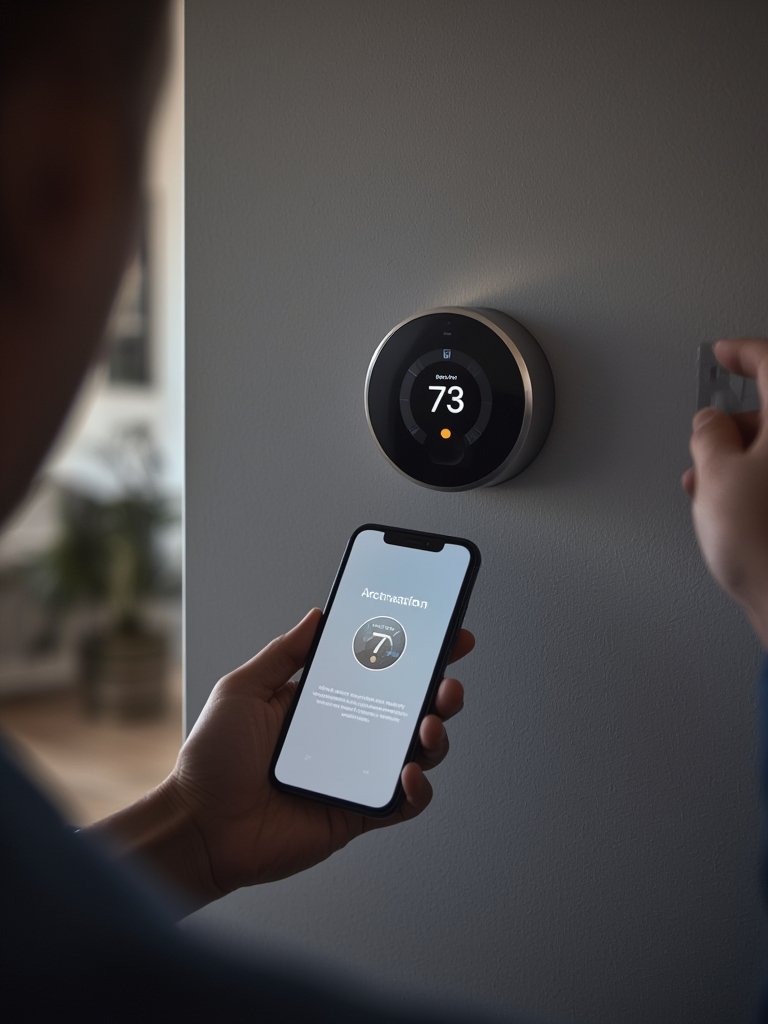
- Follow all Wi-Fi setup steps and link the thermostat to your online account.
- Keep receipts and take photos if required.
-
Apply for Your Rebate Immediately:
- Many utility rebates require submission within 30 to 60 days of installation.
- Prepare to upload registration proofs, receipts, and possibly an image of your prior thermostat for verification.
-
Track and Follow Up:
- Check rebate status via your utility account or partner website.
- Contact support quickly if your application is delayed or denied. Common issues include missing documents or prior rebates at your address.
Want to pair your new thermostat with even deeper energy upgrades? Read about bundling with a heat pump water heater rebate or get a full guide to smart thermostat installation for extra step-by-step support.
Advanced Analysis & Common Pitfalls
Many consumers miss out on smart thermostat rebate 2026 offers over small mistakes and overlooked fine print. Here’s what to expect and how to avoid the classic pitfalls.
- Eligibility Traps: If your property received a previous thermostat rebate in the last five years (based on PSE rules), your application will likely be denied.
- Timing Errors: Rebates often expire within 30 to 60 days of purchase and installation. If you delay, the window closes—no exceptions.
- Documentation Issues: Lost receipts, missing Wi-Fi registration, or incomplete forms are among the top reasons rebates go unpaid.
- System Compatibility Surprises: If your thermostat and HVAC don’t match, you might need to return the device or pay an electrician for extra wiring.
- Bundling Confusion: Federal rebates (HOMES) only apply if the thermostat is part of a larger project with at least 35 percent predicted energy savings—not for a thermostat alone.
| Utility/Program | Rebate Value (2026) | Eligibility Notes | Instant or Post-Purchase |
|---|---|---|---|
| PSE (WA) | $75-$175 | Wi-Fi required; one system/thermostat; no rebate past 5 yrs | Post-purchase (apply within 60 days) |
| Consumers Energy (MI) | $75 (+up to $75 additional) | Selected models; Instant on marketplace store | Instant or post-purchase |
| Pennsylvania ENERGY STAR | Varies | Purchase window 6/1/2021 – 5/31/2026; ENERGY STAR only | Post-purchase |
| Federal HOMES | ~$65 (if in bundle) | Project must meet ≥35% modeled savings | Post-purchase, via state |
| JCP&L (NJ) | Up to $140 off | Utility instant rebates on select models | Instant |
One area frequently left vague is real-world cost savings. While federal programs may cite “35 percent energy savings” for bundled projects, no program guarantees a fixed dollar figure just for the thermostat—your results may vary, especially with older HVAC setups. See how pairing with a heat pump or home battery system could multiply long-term value.
Competitors usually skip strict eligibility details (like Wi-Fi proof or five-year rebate cooling-off) and gloss over application timing, resulting in many denials. For more troubleshooting and upgrade tactics, read our breakdown on smart home wiring or home air quality monitoring for better energy and comfort control.
Conclusion
If you plan ahead, document every step, and verify your eligibility, you can claim the best smart thermostat rebate 2026 offers—whether instant or post-purchase. Don’t assume savings or rebates are automatic. Take control, and start your application right after purchase. Questions about compatibility, pairing with other upgrades, or maximizing comfort? See our full installation checklist or get insider energy-saving tips to make the most of your smart thermostat rebate 2026. Apply now, beat the rush, and make your home smarter before offers run out.
FAQ
Who qualifies for a smart thermostat rebate in 2026?
Eligibility usually requires you to be a residential customer of a participating utility, use a qualifying thermostat model, and have a compatible HVAC system. Some programs have income-based “boosted” rebates. Always check your local rebate provider’s rules.
Can I get multiple rebates if I upgrade several thermostats?
Most utilities allow only one rebate per household, for one thermostat per centralized system. Replacing a second thermostat for a different HVAC zone might not qualify. Also, prior rebates within the last five years may disqualify the property.
How long do I have to apply after installation?
Timelines vary, but most post-purchase rebate programs require you to apply within 30 to 60 days of installing your thermostat. Miss this window, and you risk losing the rebate.
What brands and models get the highest rebates?
Google Nest, ecobee, Sensi, and Honeywell Home are widely supported. ENERGY STAR certification improves your odds for approval and may be required by some programs.
Does a smart thermostat alone guarantee major energy savings?
Actual energy savings depend on your home’s insulation, HVAC efficiency, and usage habits. Pairing a smart thermostat with a modern heat pump or smart home controls delivers the biggest results, but don’t expect miracles from a thermostat alone.