

### Blog Post:
Smart thermostat rebate 2026 programs are dramatically changing how homeowners and renters approach energy efficiency upgrades in their homes. But, many struggle to claim the best rebates—or get denied—due to confusing utility rules, hardware compatibility, and missed deadlines.
Key Takeaways
- 2026 smart thermostat rebates are available nationwide, but requirements and amounts vary widely by state and utility.
- Major pitfalls include missed deadlines, wrong model selection, or missing paperwork—careful planning is essential.
- Stacking utility incentives, enrollment programs, and brand promotions maximizes your rebate—sometimes by $200 or more.
- What Is the 2026 Smart Thermostat Rebate—and Why It Matters
- How to Claim and Maximize Your Smart Thermostat Rebate in 2026: Step by Step
- Advanced Analysis & Common Pitfalls: Mistakes, Missing Data, and What to Watch
- Conclusion
- FAQ
What Is the 2026 Smart Thermostat Rebate—and Why It Matters
Smart thermostats are now a core part of modern energy savings and comfort—but in 2026, utility and government rebate programs mean you can get back up to $200. These rebates make it far cheaper and easier to install upgraded models like Nest, Ecobee, or Verdant, but you must follow specific requirements per provider, including proof of purchase dates, ENERGY STAR certification, and eligible installation timeframes.
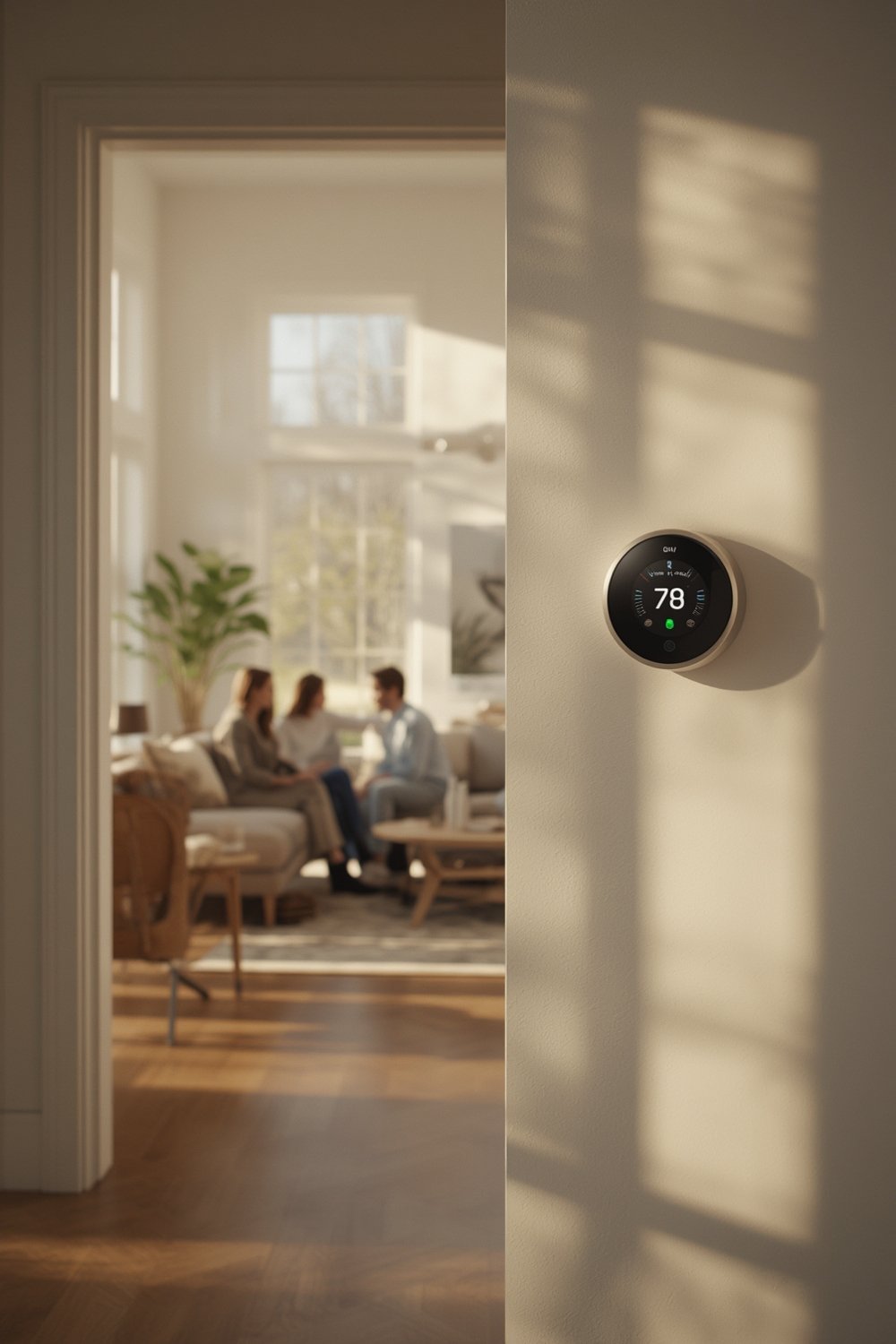
The purpose: encourage widespread smart thermostat adoption for reduced home energy use, smarter grid management, and lower utility bills. However, rebate programs are not the same everywhere. For example, Focus on Energy offers a flat $50 rebate for qualified thermostats, while Mass Save pays up to $100 per ENERGY STAR® certified unit. Some brand-specific programs (like for Verdant thermostats) can go even higher—up to $200 in certain regions (see full utility list).
Missing a key document or not meeting program rules means you lose out on hundreds of dollars in savings. Let’s break down every critical step to ensure you qualify and maximize your 2026 smart thermostat rebate.
How to Claim and Maximize Your Smart Thermostat Rebate in 2026: Step by Step
Claiming your smart thermostat rebate in 2026 involves more than just buying a device and submitting a form. Here’s how to avoid common errors and ensure you get the maximum possible rebate:
- Confirm Eligible Utilities and Find Your Program
- Check if your region is covered by state programs (like Mass Save or Focus on Energy), your local cooperative, or manufacturer platforms like Daikin’s Energy Rebate Center.
- Download the program rules for your zip code and utility—from rebates as low as $25 to as high as $200.
- Verify Thermostat Model and Certification
- Make sure your smart thermostat is new and meets all requirements (ex: Mass Save needs ENERGY STAR certification).
- Not all WiFi thermostats are eligible—some programs exclude basic programmable models or older brands.
- Installation and Timing
- Install the device within the required window (usually between January 1 and December 31, 2026).
- Some rebates have additional requirements for heat pumps or certain HVAC system types.
- Enrollment in Bonus Programs
- Look for “ConnectedSolutions” (or similar) demand response options—utilities like National Grid pay an extra incentive (up to $100 for Enroll in program, plus $20/year ongoing).
- Prepare and Submit Documentation
- Gather purchase receipts with date, model number, and serial number.
- Installation verification may be required; keep install photos or signed forms from installers if requested.
- Submit your rebate form before the program deadline (many due by February 28, 2027).
- Track Rebate Status
- Save all emails and submission confirmations—delays or lost paperwork can happen.
- Check utility processing updates and expected payout times, since some areas take 6–12 weeks or longer.
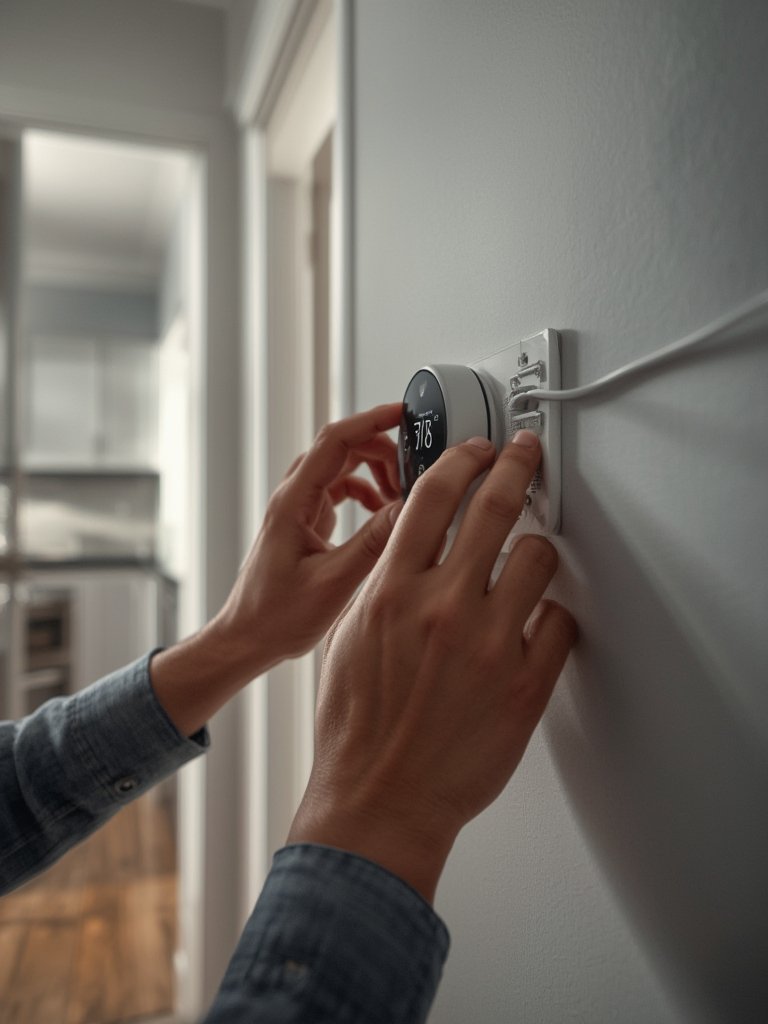
For a more in-depth installation and commissioning guide, see our step-by-step smart thermostat installation resource. Stack your savings further by pairing your thermostat upgrade with other high-ROI efficiency improvements—like installing a heat pump water heater or home battery storage systems to boost total utility rebates.
Advanced Analysis & Common Pitfalls: Mistakes, Missing Data, and What to Watch
While the 2026 smart thermostat rebate landscape is promising, many homeowners lose their rebates due to surprising pitfalls or confusion. Here are the most frequent issues—and missing data to be aware of:
- Missing Deadlines: Most rebates require purchase and installation in 2026, with final applications due just a few months later. Miss the cutoff, and you miss the refund. Set calendar reminders for purchase, install, and submission deadlines.
- Eligibility Mismatches: Some utilities only rebate Energy Star–certified models, others restrict rebates by HVAC type (like only for homes with gas heating), or exclude non-networked smart thermostats. Always check your local rules.
- Complex Documentation: You usually need receipts showing purchase date/model, installation proof, and sometimes even pre-approval. Incomplete or incorrect paperwork is the most common reason for rebate denial.
- Compatibility Woes: No single database exists for which thermostats are fully compatible with every older HVAC or heat pump system. Homeowners with legacy equipment—or no C-wire—should perform extra research or hire a pro installer.
- Lack of Transparency on Energy Savings: Utility and government sources do not provide independent, real-world comparisons of energy savings between thermostat brands. Claims of $100–$200 annual savings may not reflect your home’s actual performance, and independent research is sparse.
- Rebate Processing Delays: Utility companies can take 6–12 weeks (sometimes longer) to send rebate checks. Some users report lost paperwork or miscommunications, so it is wise to keep all correspondence and check status online.
| Utility/Program | Rebate Amount | Main Eligibility Requirements | Application Deadline | Notes |
|---|---|---|---|---|
| Focus on Energy (WI) | $50 | New, qualified thermostat purchased 2026+ | Feb 28, 2027 | Any retailer, see program site |
| Mass Save (MA) | Up to $100/unit (limit 3) | ENERGY STAR, installed in 2026 | Feb 28, 2027 | Up to $25 for 7-day programmable thermostats |
| United Cooperative | $50/unit | New Nest/Ecobee/Honeywell | — | See details |
| Verdant (various) | $50–$200/unit or % cost | See utility/networked requirements | — | List by state |
| National Grid ConnectedSolutions | Up to $100 + $20/year | Enroll in program, model/hardware rules | Depends on enrollment cycle | See program |
Don’t let rebate confusion or compatibility issues stall your project. If your HVAC system is older, lacks a C-wire, or is incompatible with common brands, see our strategies for overcoming these challenges in the Smart Home Wiring guide and consider the installation advice from our thermostat installation walkthrough.
Still evaluating integrated home efficiency? Bundling improvements like solar panel installation, heat pump water heater installations, or battery backup systems is a proven way to stack incentives further—and tackle multiple pain points in one project.
Conclusion
Smart thermostat rebate 2026 programs put hundreds of dollars back in your pocket—if you follow each utility’s requirements, submit on time, and confirm compatibility. The process is doable, but small missteps can mean losing out on all savings. Use the advice above, review ongoing requirements, and stack bonuses where possible. Ready to get started? Begin your rebate journey now, and if you’re upgrading other systems, check our guides for heat pump water heater rebates, smart home wiring, and battery storage maximization.
FAQ
How do I know if my utility offers a smart thermostat rebate in 2026?
Visit your electric or gas provider’s website and check for rebate or efficiency sections. National programs like Focus on Energy and state programs like Mass Save publish eligible regions on their official sites. You can also check manufacturer rebate finders for brand-specific offers.
Can I get multiple rebates if installing more than one smart thermostat?
Yes, most programs allow multiple unit rebates, but there’s typically a cap (e.g., three units for Mass Save). Make sure to submit receipts and forms for each device and confirm the limit with your local program rules.
What happens if I miss the rebate application deadline?
Your application will be denied, and you will not receive any rebate for your purchase. Always set reminders and complete your paperwork as soon as your thermostat is installed to avoid missing critical deadlines.
Do I need to hire a professional installer to qualify for rebates?
Usually, no—a DIY installation is accepted for many programs, but you must follow all guidelines and provide proper documentation. If your HVAC system is complex or older, hiring a certified installer can improve results and ensure eligibility.
Are older non-smart programmable thermostats eligible for these rebates?
Some programs offer a smaller rebate (e.g., $25 from Mass Save) for advanced programmable thermostats instead of smart ones. However, most larger rebates require a Wi-Fi-connected, ENERGY STAR smart thermostat. Always check your utility’s list of eligible products.
—