

If you’re considering basement egress window installation, you’re likely weighing safety, cost, resale value, and code compliance. This guide provides the latest 2024 facts, a clear process, and practical insights to avoid expensive mistakes.
Key Takeaways
- Basement egress window installation costs typically run $2,700 to $5,900 per window, with significant regional and project complexity variation.
- Common pitfalls include poor drainage, unanticipated code hurdles, and high labor costs—professional guidance is essential.
- Strict building codes and permit rules mean DIY attempts can become costly if not perfectly executed.
- What is Basement Egress Window Installation and Why Does it Matter?
- Basement Egress Window Installation: Step-by-Step Guide
- Advanced Analysis & Common Pitfalls
- Conclusion
- FAQs
What is Basement Egress Window Installation and Why Does it Matter?
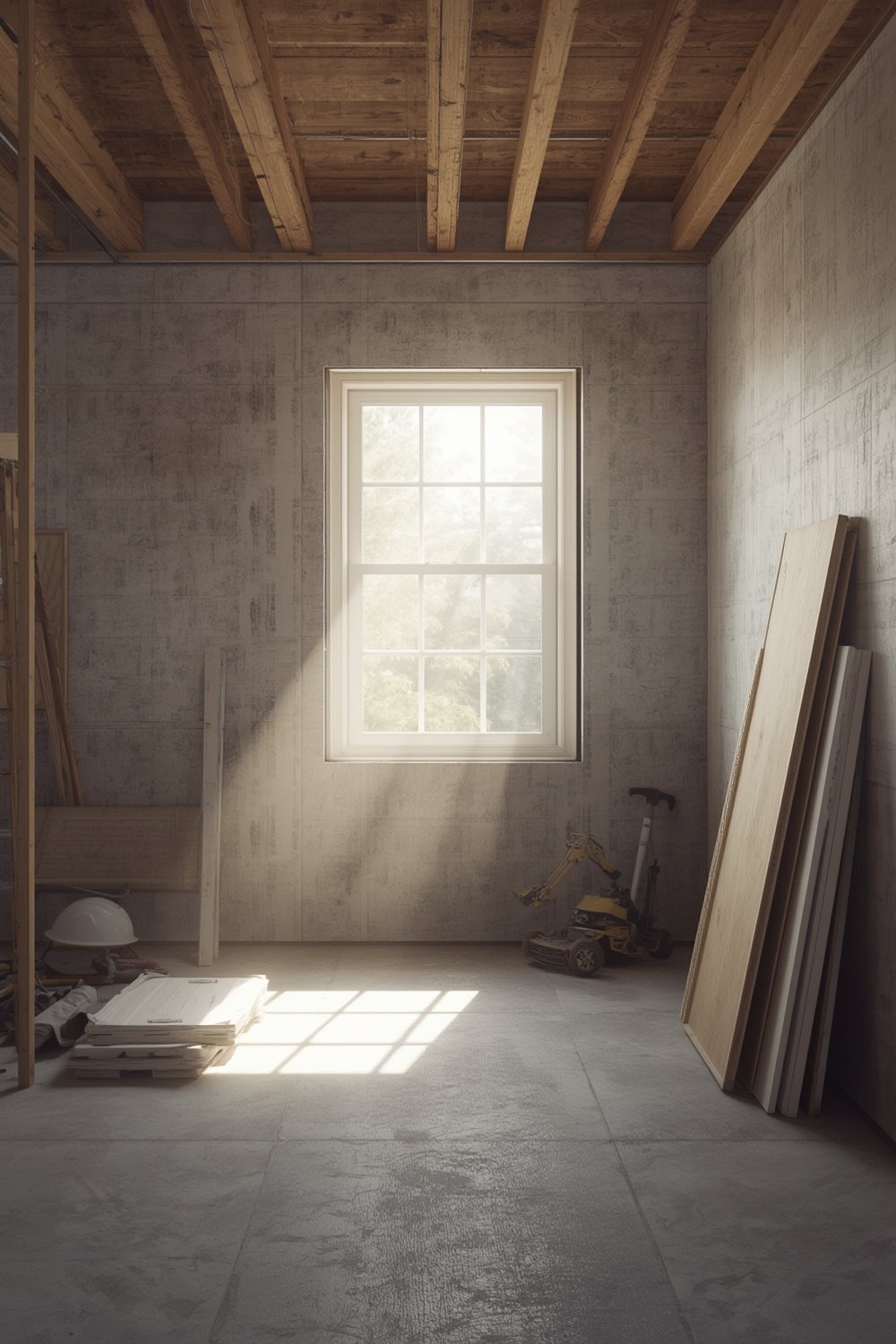
Basement egress window installation is the process of adding or upgrading a window in a basement so it meets egress code. These windows serve as emergency exits and provide much-needed natural light and ventilation. They’re mandatory for any legal basement bedroom in the US and Canada.
Meeting egress requirements is more than just a bureaucratic checkbox. Properly installed windows can save lives during fires, reduce mold risk, and make the space legally habitable—which can boost your home’s resale value and attract more buyers. However, the process often involves serious structural work and local permitting, which is where many homeowners get tripped up.
Basement Egress Window Installation: Step-by-Step Guide
-
Know Your Local Code Requirements
Start by checking egress window standards in your city or province. Contacts are typically the local building department or a certified contractor. Most US areas reference IRC R310, but exact window sizes, sill height, and window well specs can vary. This step is crucial for legality—if you skip this, you risk redoing the whole project during inspection. -
Get All Permits and Inspections in Order
Permits usually cost $100–$500, and inspections another $50–$300. Most cities will not allow you to complete or use the bedroom (e.g., for renting) without passing the final inspection. Start this process early—it can take weeks. -
Hire Pros (or Know the Real Risks of DIY)
Professional installers charge $40–$120 per hour, but that investment ensures proper structural work, waterproofing, and code compliance. If you attempt DIY, you risk cracked foundations, leaks, or even collapse. Many cities require licensed contractors for cutting concrete walls. Factor in structural engineer consultations ($200–$1,500) if the wall is load-bearing. -
Excavate and Prep the Site
For below-grade windows, excavation is messy and expensive—$3,000–$7,000, especially if access is tight. You’ll need to ensure safe soil removal and space for a compliant window well. Sometimes, utilities need moving or support walls must be braced. -
Cut the Opening—Carefully
Most homes need the opening enlarged ($150–$200), which involves concrete saws and dust containment. Mistakes can damage structural integrity or create future water problems. -
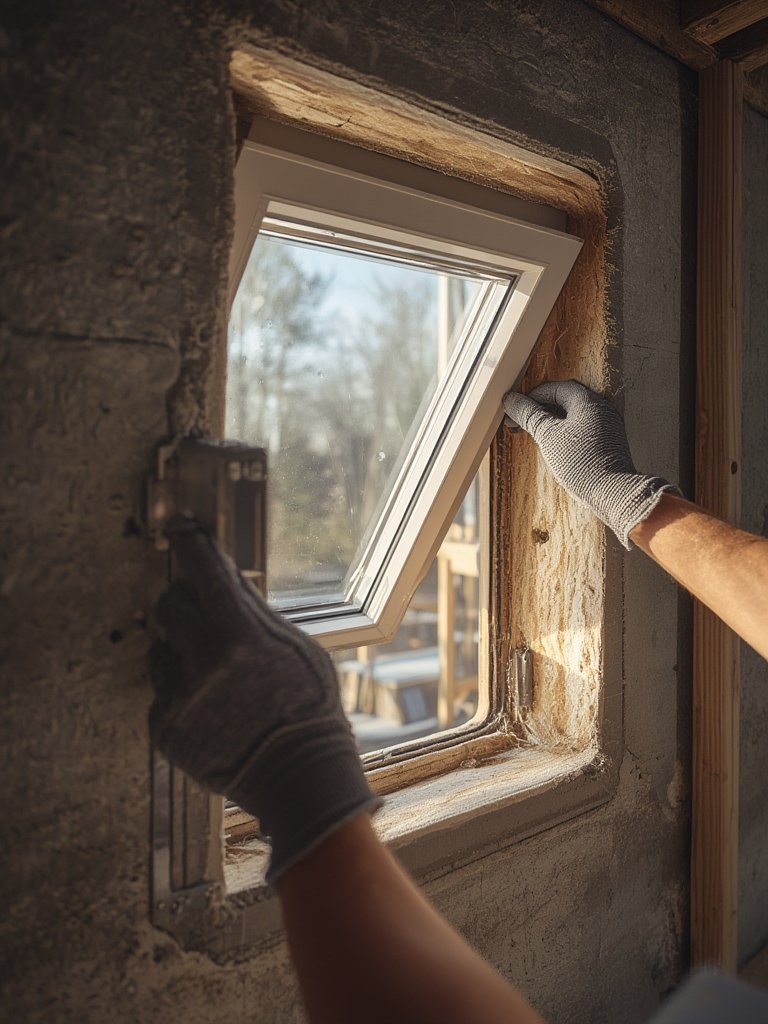
Install the Window and Window Well
Prefab Egress Windows go in quickly, but custom units ($3,000–$7,500) require precise fitting. Wells can add $200 (metal) to $2,500 (concrete). Correct flashing, waterproofing, and drainage are not optional. -
Finish, Waterproof, and Restore
Add insulation, seal the new wall edges, finish the well top, and restore yard landscaping. Double-check that drainage routes are robust—future leaks are expensive to fix. Finally, book final inspection right away.
If you’re planning a full basement conversion, consider pairing your project with other home upgrades. For example, adding garage shelving or a storage cabinet can free up space for construction staging. Multifunction upgrades like a legal bedroom also open up options for home gym installation—see this dumbbell rack guide for ideas.
Advanced Analysis & Common Pitfalls
Basement egress window installation sounds simple, but even well-planned projects encounter problems:
- Unanticipated Structural Issues
Cutting a concrete basement wall can compromise its strength if the rebar or load-bearing elements aren’t accounted for. You may need an engineer’s stamp, especially in stricter cities. - Drainage and Water Intrusion
Improper window well design or poorly graded landscape can channel water into your basement. Fixing after the fact is costly. Many complaints stem from pooling water, especially in DIY jobs. - Permit or Inspection Delays
Failing inspections or missing a minor element (such as egress window well ladder requirements) can force you back to square one. Expect at least two inspection visits per most municipalities. - Cost Overruns
While the national average is $4,216 to $4,229 per window
(Angi /
HomeAdvisor), complex projects with structural, drainage, or access issues often go far above this—see This Old House for more breakdowns. -
DIY Pitfalls
Cutting costs by skipping pros sometimes works, but often leads to problems—hidden utilities, shoddy waterproofing, or skipped permits may result in fines or repair mandates if you sell your home later. DIY may be feasible for handy owners in non-load-bearing situations, but always check legal implications.
Comparison Table: Prefab vs Custom Egress Installations
| Feature | Prefab Egress Window | Custom Egress Window |
|---|---|---|
| Material Cost | $2,500–$5,000 | $3,000–$7,500 |
| Window Well Cost | $200–$800 (metal/plastic) | $1,000–$2,500 (concrete/custom) |
| Installation Time | 2–3 days | Up to 1 week |
| Permit/Inspection | Required | Required |
| Best For | Standard sizes, easier DIY/contractor use | Unique layouts, historic or luxury homes |
If you’re converting for a legal bedroom, take a holistic approach. For organization post-project, add a dresser organizer or bookshelf organizer to keep clutter in check. Want to minimize dust from construction? Use a handheld vacuum cleaner for quick, targeted cleanups.
You may also wish to future-proof your project by integrating a smart home wiring upgrade during construction—this can boost later resale value and make your space more livable.
Conclusion
Installing a legal basement egress window is a major home upgrade that directly impacts safety, code compliance, resale appeal, and comfort. The process can be costly and complex, but the benefits—including making your basement bedroom compliant—are significant. Don’t cut corners on planning, permits, or professional help, and always budget for the unexpected. Ready to take the next step? Plan your basement egress window installation and connect with licensed pros or your local inspector today.
FAQs
How much does basement egress window installation cost in 2024?
Typical costs are $2,718–$5,878 per window, but can rise to $7,500 or more for custom jobs or properties needing extensive excavation, permits, or engineering. Regional labor rates add further variation (Angi).
Can I install a basement egress window myself?
DIY is possible for experienced homeowners, but risks include damaging the foundation, failing inspection, drainage mistakes, and significant added costs if corrections are needed. Most cities require a licensed pro for wall cutting or structural changes.
What are the legal requirements for a basement egress window?
Requirements vary regionally. Generally, the window must provide a clear opening large enough for emergency escape, must be easily operable without tools, and include an accessible window well if below ground. Local codes may add requirements for placement, well size, and ladder access.
Does a basement bedroom require an egress window to be considered legal?
Yes, virtually all municipalities require a code-compliant egress window for a basement bedroom, or the room cannot legally be used as a bedroom or marketed as such when selling the home.
Can an egress window increase my home’s value?
Yes. While hard data is lacking, legal, finished bedrooms generally improve resale value and market appeal, assuming all work is permitted and to code.