

Modular closet system DIY projects are now the go-to solution for homeowners who want custom storage without paying luxury prices. If you want a neat, adjustable closet for a fraction of retail costs, here’s exactly how to plan, build, and troubleshoot your setup—plus what most guides won’t warn you about.
Key Takeaways
- DIY modular closet systems cost far less than hiring specialty companies, offering around 80% of the functionality at 20% of the cost.
- Consumer trends point to growing demand for renter-friendly, smart, and eco-conscious closet solutions in 2024-2026.
- Configuration flexibility, precise measuring, and material compatibility are keys to a long-lasting closet redesign.
- Understanding Modular Closet System DIY
- How to Build a Modular Closet System: Step by Step
- Advanced Analysis & Common Pitfalls
- Conclusion
- Frequently Asked Questions
Understanding Modular Closet System DIY
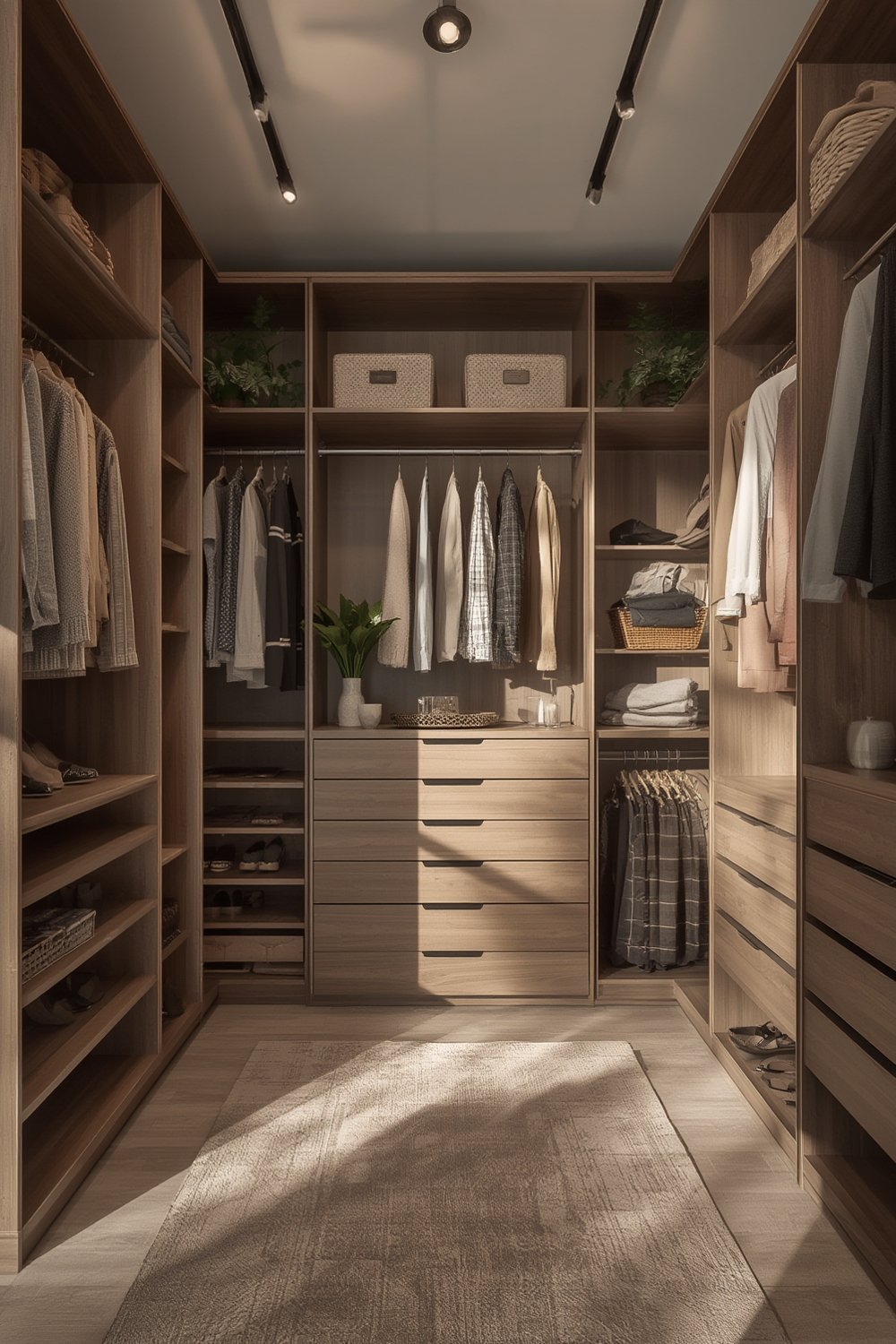
Modular closet systems are pre-fabricated kits or component sets that let you design, assemble, and adjust closet storage to fit your space and needs—without custom carpentry. DIY modular closet system projects have surged in popularity because they empower homeowners and renters to bypass the high prices and scheduling headaches of companies like California Closets. You buy only the pieces you need, adjust the design as your wardrobe changes, and often install everything in a weekend.
Recent stats show a powerful shift: over 35% of all custom closet installations globally use some type of modular approach, and 57% of US homeowners want custom layouts rather than one-size-fits-all shelves. Modular organizer kits from IKEA, California Closets, and Oppein now include smart features like LED lighting and app-inventory management (source). These systems are prized for adaptability, hybrid storage (hanging, shelving, and drawers), and smaller-scale flexibility for renters and condo owners. For a look at total closet space optimization, see our guide on velvet hangers closet organization.
How to Build a Modular Closet System: Step by Step
Ready to tackle your own modular closet project? Here’s a clear, actionable process to follow, with tips for getting professional results on a DIY budget.
- Measure Everything (Twice): Start by removing everything from your closet. Use a steel tape measure for length, width, and ceiling height. Account for baseboards, outlets, and doors.
- Plan Your Storage Zones: Decide how much hanging space, shelving, and drawer storage you need. Sketch or digitally map this before shopping for components.
- Choose Your Modular System: Compare options—metal rail kits (wall-mounted), freestanding cube sets, or hybrid wood and melamine systems. Ensure components are compatible and check the hardware included. Alternatives include IKEA’s PAX, eco-conscious units from California Closets, and smart-enabled systems from Oppein (source).
- Assemble Core Structure: Start with the main rails or side walls. Secure to studs—or, for renters, use stable freestanding bases and anti-tip brackets. Level everything before tightening.
- Add Shelves, Rods, and Drawers: Install from the top down. Adjustable shelves first, then hanging rods, then drawers or baskets. Test each component for smooth sliding and sturdiness.
- Optimize and Finish: Step back. Adjust shelf heights, reposition rods if necessary, and add extras like LED lighting, pull-out racks, or bins for finer organization. For next-level storage, see our review on cabinet shelving units.
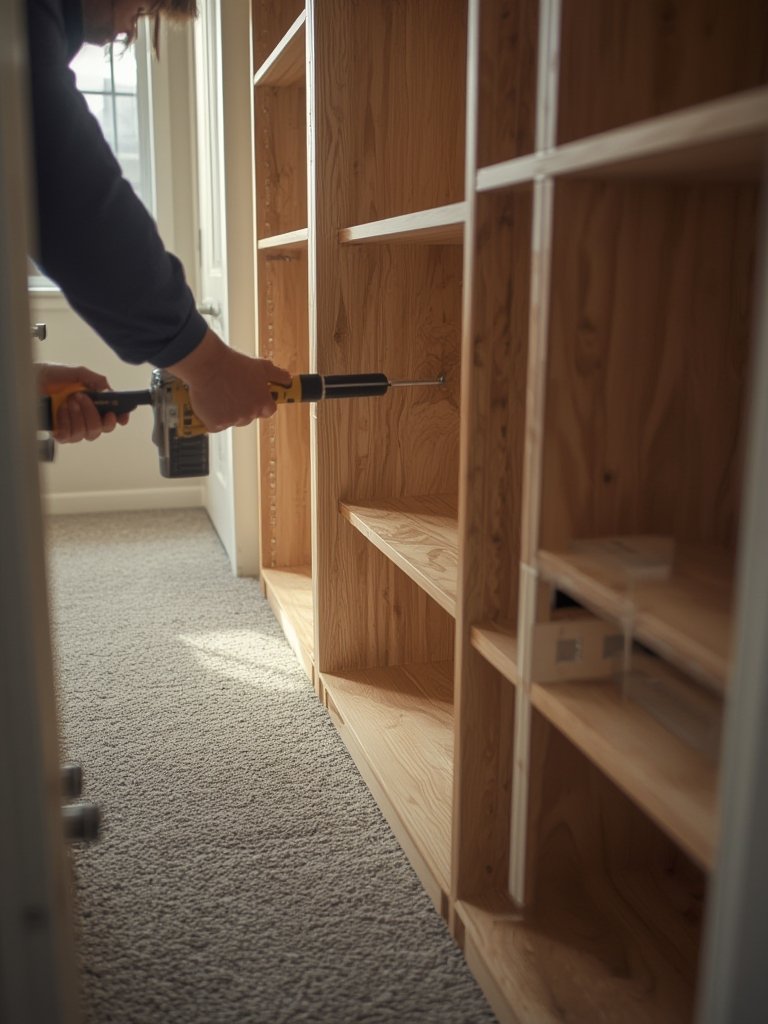
DIY time and costs scale by closet size and finish quality, but most mid-sized modular installations take 3 to 6 hours and average $190 to $550 in total materials. For advanced drawer organization, revisit our resource on dresser storage solutions.
Advanced Analysis & Common Pitfalls
Even with modular closet kits designed for do-it-yourselfers, there are real-world stumbles to watch out for. Here’s what research data and user reports reveal about common issues and how to mitigate them.
- Exact Measurements Are Non-Negotiable: Gaps, uneven shelves, and poor fit happen when you round up or assume closet walls are perfectly straight. Use a level and precise tape measure—walls are rarely square, especially in older buildings.
- Weight Limits: Cheaper systems or tension-rod organizers can bow or collapse under too much weight. Combo wood and melamine units often outperform all-wire systems for sturdiness. Double-check manufacturer-rated weight limits for both shelves and rods.
- Component Compatibility: Mixing brands or trying to re-purpose non-modular pieces leads to mounting headaches. Stick with one system for the core build; supplement with bins or add-ons only if they’re guaranteed to fit.
- Wall Anchoring for Safety: Freestanding units should still be anchored at the top for tip protection, especially if you’re in an earthquake zone or have children.
- Upgrade Traps: Smart closets with lighting or automated shelves require hidden wire runs and may need an electrician if retrofitting. Consider simple battery-powered LED options if you want tech without wiring complexity.
| Option | Approximate Cost | Materials | Stability | Adjustability | Typical Assembly Time |
|---|---|---|---|---|---|
| IKEA PAX (Basic) | $260 – $680 | Particleboard, Metal | High (when fixed to wall) | Excellent (configurable) | 2.5 – 6 hours |
| California Closets Modular DIY | $500 – $1750 | Wood, Melamine, Metal | Very High | Excellent | 3 – 6 hours |
| Freestanding Cube System | $110 – $320 | Plastic, Metal | Moderate | Good | 1.5 – 4 hours |
| Wire Shelving Kit | $80 – $210 | Coated Steel | Low-Mod (depends on anchors) | OK | 2 – 4 hours |
Most guides skip renter-specific alternatives, eco-friendly material sourcing, or budget balancing. For affordable upgrades across your home, see freestanding garage storage and hidden pantry organization.
Conclusion
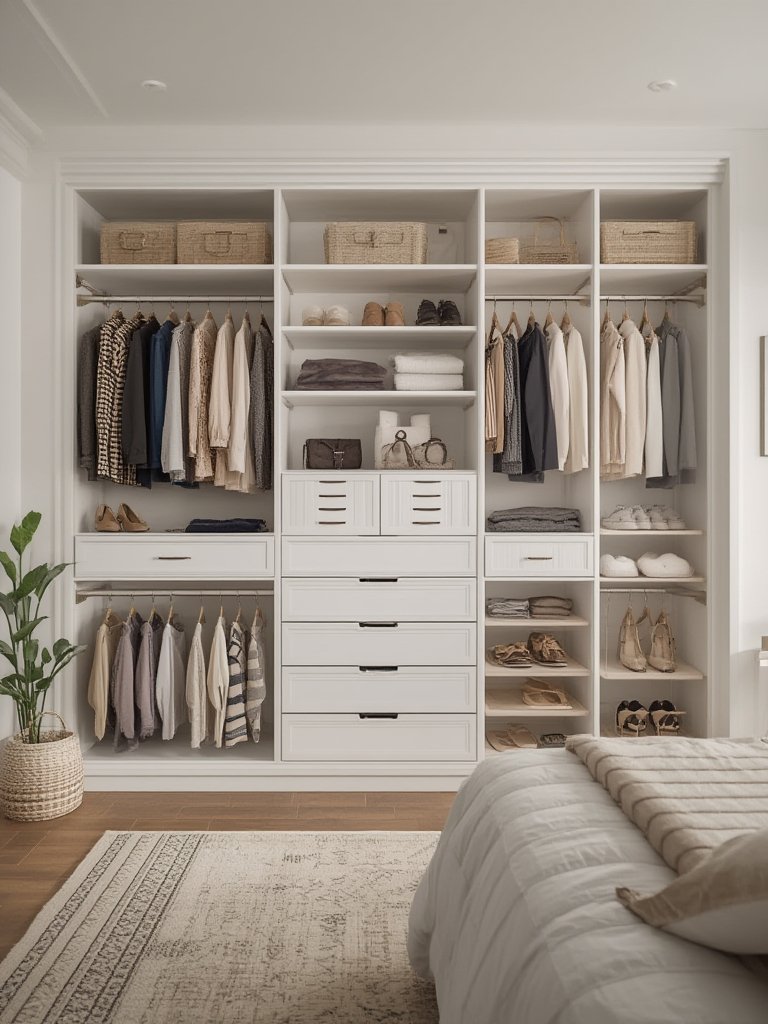
With smart planning and a few key precautions, a modular closet system DIY can transform any closet from chaotic to customized, for a price and timeline most homeowners can handle. Just remember: measure everything twice, use compatible parts, and check for wall anchoring or renter-friendly options as needed.
Ready for a more organized life? Start your modular closet system DIY today and see how much space and sanity you can reclaim—no contractor required. For more organization wins, explore our complete modular closet guide and our deep-dive on closet organization hangers.
Frequently Asked Questions
How much does a DIY modular closet system cost compared to a custom closet company?
DIY kits typically range from $190 to $700 depending on size and finish, while hiring a full-service custom closet company usually starts at $1,500 and can exceed $5,000. DIY saves roughly 60% to 80% on labor and markup.
Can I install a modular closet system in a rental without making holes?
Yes. Use freestanding closet systems, sturdy tension rods, and adhesive wall hooks. These offer storage flexibility with no permanent damage. For removable wall storage, read our guide on Command Hooks.
Are there eco-friendly modular closet options?
Major brands like California Closets and Suofeiya now offer modular systems with FSC-certified wood, recycled melamine, and low-VOC finishes. Always check material certifications before purchase (source).
What are the biggest mistakes to avoid in a closet system DIY?
The most common mistakes are measuring inaccurately, overloading shelves or rods, using incompatible parts, and skipping wall anchors for freestanding units. Taking time for careful layout and installation avoids most issues.
Will a DIY modular closet add resale value?
Yes, an organized, adaptable closet appeals to buyers and can help your home stand out. Modular closets are especially valued in smaller urban spaces where storage matters most. For more on boosting home value, see our storage solutions review.
—