

Home battery backup system installations are rapidly becoming a top priority as grid outages rise and energy costs fluctuate in 2026. Whether you want essential power security or whole-home independence, understanding today’s costs, systems, and critical decision points is essential before making this big investment.
Key Takeaways
- Expect to spend $10,000–$16,000 for a basic single-battery home backup, or $22,000–$40,000+ for full-house setups.
- Federal tax credits for most US homeowners expired in 2026, but some state incentives (like Massachusetts) may help offset costs.
- System reliability and integration challenges are underreported—avoid rushing in without understanding technical and installation pitfalls.
- What Is a Home Battery Backup System and Why Does It Matter?
- Step-by-Step Guide: How to Choose and Install
- Advanced Analysis & Common Pitfalls
- Conclusion
- FAQ
What Is a Home Battery Backup System and Why Does It Matter?
A home battery backup system is a set of rechargeable batteries—often lithium-based—that stores electricity for your house when the grid goes down. When storms, heatwaves, or equipment failures cut off utility power, these batteries can run essential loads (like your refrigerator or internet) or even keep your whole house going if sized right.
The push for battery backups is driven by three main factors: more grid outages (especially in states like California and Texas), rising electricity bills, and the growth of solar panels, which are far more valuable when paired with reliable storage. The right setup can protect your home, smooth energy bills, and give you real independence in emergencies.
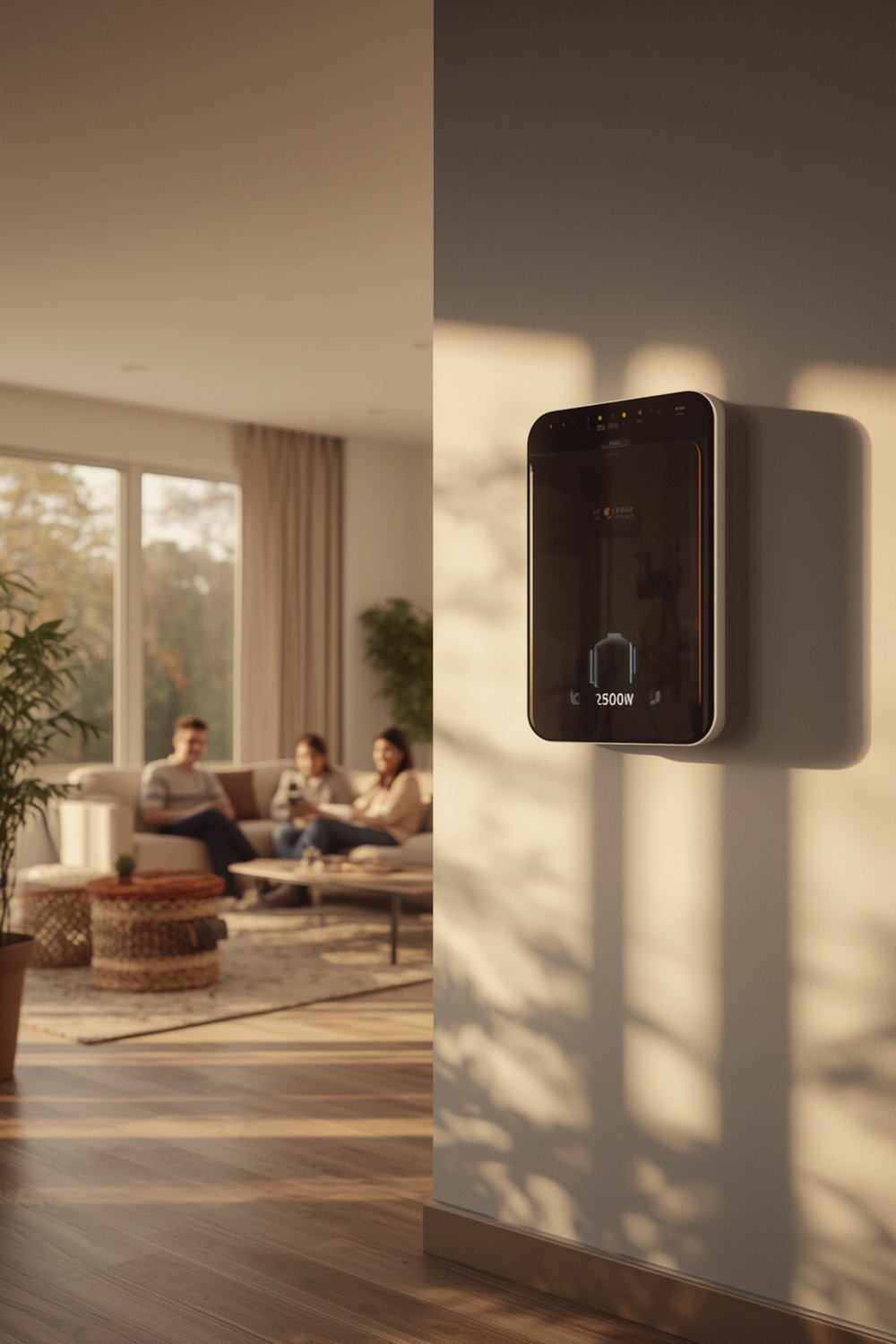
Beyond peace of mind, you might also use stored power during high-rate windows to lower bills. But sizing, costs, and incentives have changed sharply in 2026—especially since the federal tax credit ended. Smart planning is more critical than ever before.
Step-by-Step Guide: How to Choose and Install
- Calculate Your Backup Needs: Begin by figuring out whether you only want basic emergency power (lights, internet, small appliances) or if you want true whole-home capability (HVAC, cooking, laundry included). For essential loads, one battery (10–13.5 kWh) may be enough; for whole-home coverage, plan for 2–3 batteries (27–40 kWh).
- Set a Realistic Budget: As of 2026, entry-level single battery systems cost $10,000–$16,000 installed, while a full-home backup will cost $22,000–$40,000—or much more if your electrical system is outdated. Review cost details in this 2026 report.
- Select the Right Platform: Top options include Tesla Powerwall 3, LG RESU Prime, Generac PWRcell, and Enphase IQ Battery, each with different capacities, integration features, and warranties. For 15-year warranties and best solar integration, Enphase is often favored; Tesla excels in power output and cost simplicity due to its built-in inverter.
- Check Your Electrical Infrastructure: Homes with new 200-amp panels face lower installation costs. Aging homes often need $2,000–$4,000 in upgrades—budget accordingly. For broader future-proofing, review our expert smart home wiring guide.
- Get Accurate Quotes: Always request bids from at least two experienced, licensed installers. Quotes should break out battery costs, inverters/gateways, labor, permits, and any panel upgrade work. Ask for models, integration approach with solar (if you have it), and realistic project timelines.
- Plan for Incentives and Long-term Value: The 30% federal tax credit is gone for most owners, but some state programs (like Massachusetts’ ConnectedSolutions) may still partially offset annual ownership. Always validate eligibility details with your installer and check regional updates later in the year.
- Installation and Commissioning: Choose a company with a track record—especially for integrating with solar or whole-house power panels. Make sure inspections are included and understand warranty and support terms before sign-off. Consider asking about routine battery health checkups and software upgrades as part of your contract.
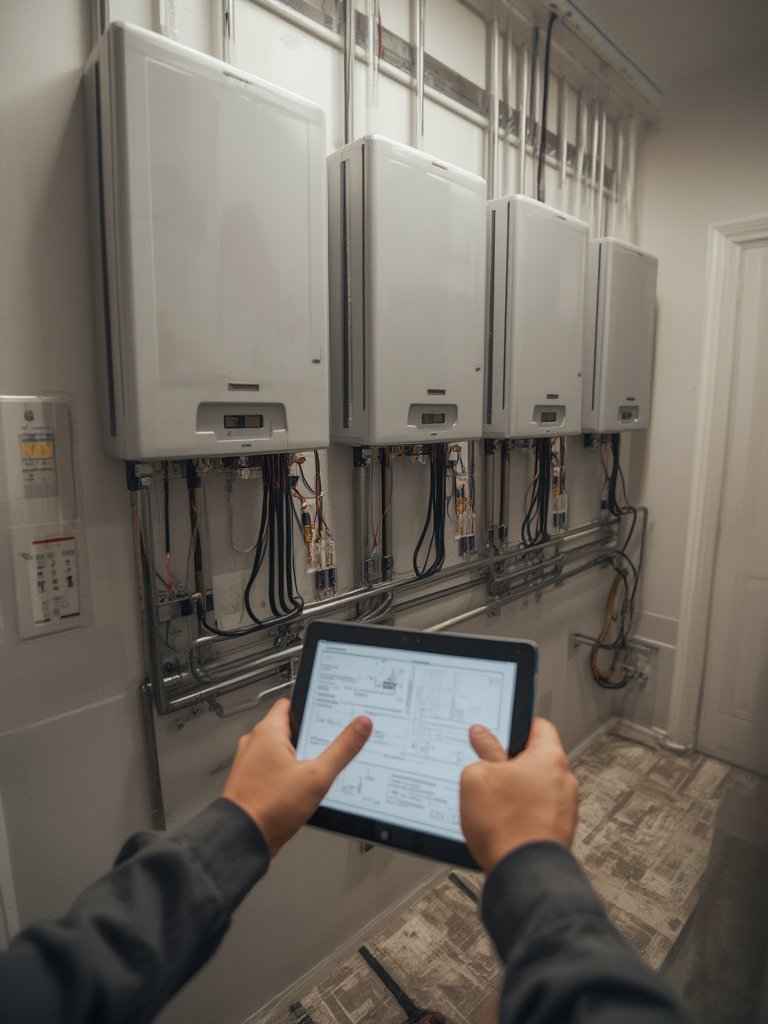
For additional home storage efficiency, optimize your utility area with robust garage shelving and tidy dresser organizing—ideal for tools, installation manuals, and emergency backup supplies.
Advanced Analysis & Common Pitfalls
Real-world system performance is often less flawless than sales pitches suggest. Here’s what most homeowners don’t realize until late in the process:
- User Experience is Underreported: There’s virtually no public data about failure rates during grid outages, battery performance in extreme weather, or problems integrating new batteries with older solar arrays. You’ll need to seek out installer experience locally, as national data is missing.
- Cost Surprises: The typical installed cost is now $1,300 per kWh (source). This has risen sharply in 2026 because the 30% federal tax subsidy ended (except for certain leasing or commercial setups). Final costs may jump if your electrical system needs an upgrade.
- Integration Gaps: Not all battery models support three-phase or older wiring—especially in homes with outdated main panels or unique voltage requirements. Consult your installer before purchasing.
- Battery Duration Limitations: A single battery provides 8–12 hours of basic use—nowhere near enough for a long blackout unless loads are tightly controlled (source).
- Warranty ≠ Lifespan: Most leading systems guarantee 10 years (Enphase offers 15 years). But real-world battery degradation data is not published. Expect capacity loss after year 7, and budget for replacement around year 10–12.
- DIY Is Not Well Supported: Despite buzz on forums, no credible data exists on DIY home battery systems that match commercial safety, performance, or code-compliance. Proceed cautiously.
| Brand/Model | Usable Capacity | Power Output | Warranty | Installed Cost (2026) | Integration Highlights |
|---|---|---|---|---|---|
| Tesla Powerwall 3 | 13.5 kWh | 11.5 kW | 10 years | $12,000–$16,000 | Integrated inverter (simpler installs) |
| LG RESU Prime | 16 kWh | 7 kW | 10 years | $13,000–$17,000 | Higher capacity, modular setups |
| Generac PWRcell | 9–18 kWh (modular) | 9 kW | 10 years | $14,000–$22,000 | Expandable, good for phased upgrades |
| Enphase IQ Battery 5P | Varies (5 kWh modules) | – | 15 years | $8,000–$11,000 per unit | Best for Enphase solar add-ons |
Related: Maximize the ROI of space with a prep storage cabinet or keep your home office organized with a smart binder organizer system.
For more tips on improving battery savings, see our guide to maximizing savings with battery storage.

Conclusion
In 2026, a home battery backup system provides serious peace of mind, but it remains a major investment—especially as government incentives shrink and installed costs plateau. Most US homeowners should expect to pay $1,300+ per kWh fully installed. Outage protection, solar self-use, and energy independence are all achievable, but require careful planning, the right installer, and an honest appraisal of what batteries can (and can’t) do for your specific situation. Ready to explore your home’s options or want custom advice on the best home battery backup system? Reach out for a tailored assessment today.
FAQ
What does a typical home battery backup system cost in 2026?
Expect $10,000–$16,000 for single battery (10–13.5 kWh) setups, and $22,000–$40,000+ for whole-home backup. Larger systems for extended outages or high load homes may reach $34,000–$115,000. Costs depend on your electrical panel, required upgrades, and chosen brand. More details here.
Does a battery system need solar panels to work?
No. While pairing with solar allows for off-grid use and better savings, batteries can be installed stand-alone to cover grid outages. Just keep in mind that without solar, batteries must be recharged from the grid once depleted.
Are there any tax credits left for home batteries in 2026?
The 30% federal tax credit expired for most direct homeowner purchases on December 31, 2025. In 2026–27, some credits continue for leased or prepaid battery and solar arrangements. States like Massachusetts may offer local incentives. Always check the latest state and utility programs.
How long does a battery backup actually last during a power outage?
A standard 10–13.5 kWh battery will run essential loads (fridge, lights, WiFi) for 8–12 hours. For full home coverage including HVAC, most homeowners need two or more batteries. Battery duration depends on what you run and how much power each item uses.
Is DIY installation safe or recommended?
DIY home battery systems are risky. There is no credible comparative data on reliability or safety, and code compliance is often an obstacle. Professional installation ensures system safety, warranty protection, and successful permitting. Only attempt DIY if you have extensive electrical experience and can meet all code and inspection requirements.