

ADU construction has surged in popularity as homeowners seek ways to maximize property value, add rental income, and create flexible living spaces. But building an accessory dwelling unit is far more complex than adding a shed or converting a room. Whether you’re planning a backyard cottage, granny flat, or detached studio, understanding the real costs, timelines, and potential roadblocks is critical for success.
Key Takeaways
- ADU construction costs in 2024 typically range from $150–$300 per square foot, but can vary dramatically by city and project scope.
- Hidden costs, lengthy permits, and local code hurdles can derail projects—planning and research are essential.
- Clear goals for use (rental, home office, multigenerational living) improve design decisions and long-term returns.
- Understanding ADU Construction: What and Why
- Step by Step: How to Build an ADU
- Advanced Analysis and Common Pitfalls
- Conclusion
- FAQ
Understanding ADU Construction: What and Why
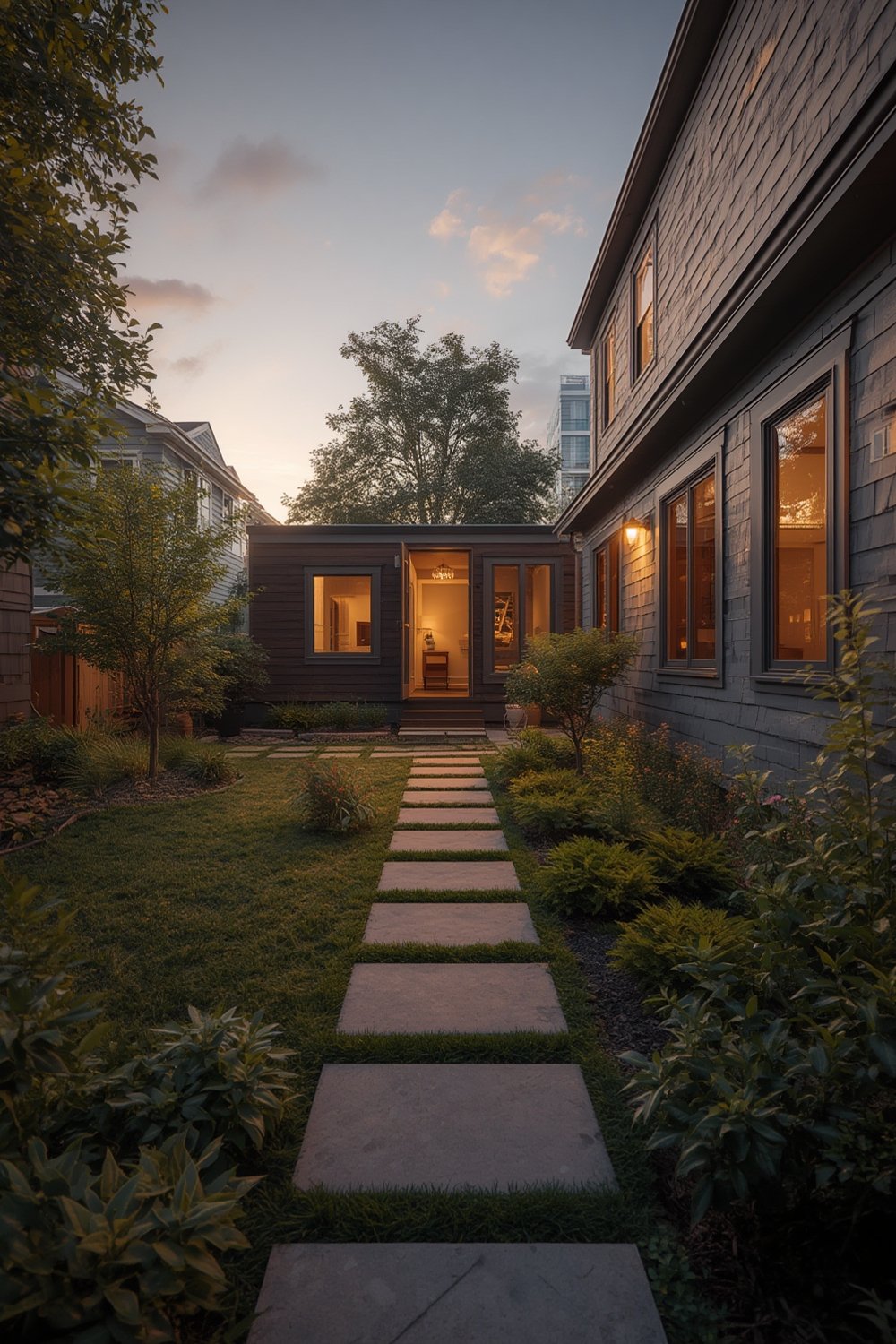
Accessory dwelling units (ADUs) are secondary housing units on single-family residential lots. These include backyard cottages, detached studios, granny flats, and garage conversions. Homeowners pursue ADU construction to increase property value, create rental income, enable multigenerational living, or add a private home office.
In 2024, soaring home values and housing shortages have made ADUs attractive in both urban and suburban markets. They’re an accessible entry into income property ownership and offer flexible options for families changing over time. However, the process involves careful budgeting, navigation of local codes, and dealing with unexpected expenses.
Step by Step: How to Build an ADU
Building an ADU is not a weekend DIY project. Here’s a proven, realistic step-by-step plan for homeowners who want to get it right the first time.
- Clarify your goals: Decide on intended use—rental, family, or workspace. Clear goals help shape size, layout, and amenities.
- Research local rules: Confirm what’s allowed regarding setbacks, lot size, and parking with your city or county planner.
- Set your budget and financing: Factor in not only the base build ($150–$300 per sq ft) but also design, permits, site work, and contingency (add 10-20% safety cushion).
- Hire design professionals: An experienced architect or ADU designer clarifies plans and optimizes for legal and livability requirements. Fees run $6,000–$14,000.
- Submit plans & permits: Expect a 3–6 month approval process, often needing revisions. Cities like Los Angeles, San Francisco, and Seattle can be particularly slow.
- Choose your builder wisely: Vet ADU builders for past experience, transparent pricing, and knowledge of local code.
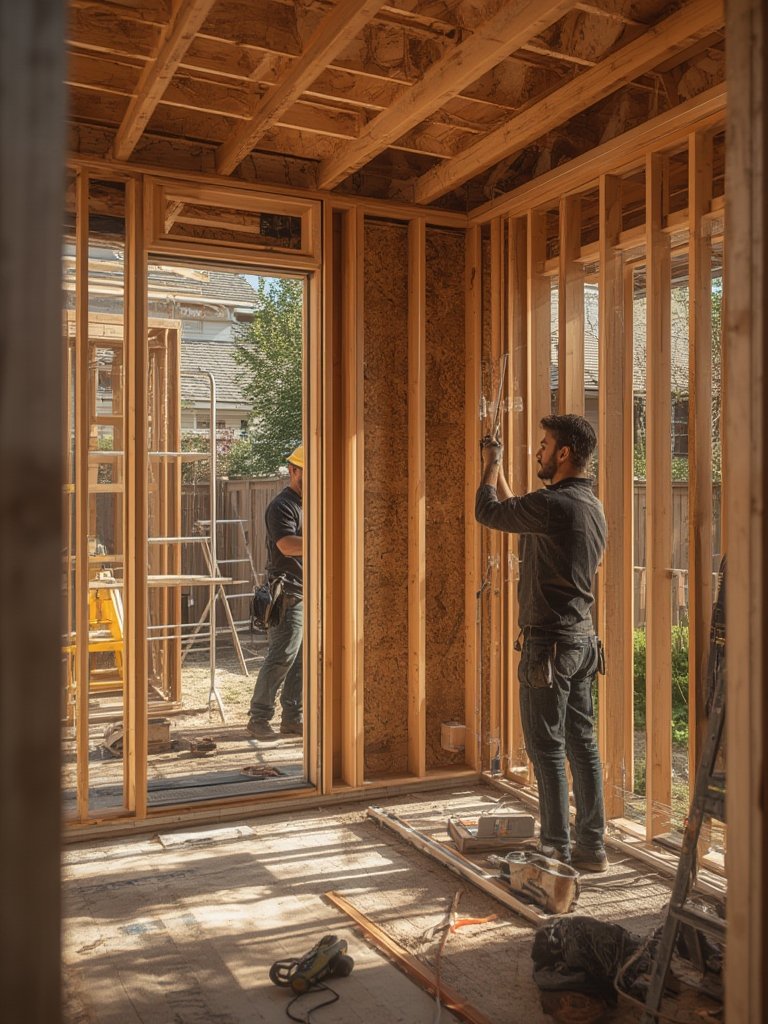
- Break ground after permit approval: Site prep, foundation, and utility hookups are major early cost drivers. Construction typically takes 6–12 months on detached units.
- Final inspections & occupancy: Passing the final city inspection is mandatory before moving in a tenant or relative.
For those seeking rental income, remember modern renters are drawn to energy-efficient features. Installing a heat pump water heater can increase appeal and help future-proof your property against rising energy costs.
Advanced Analysis and Common Pitfalls
Even with meticulous planning, ADU construction can present challenges that drain your budget or delay move-in. Here are realistic issues every homeowner needs to know:
- Hidden site costs: Sloped lots, poor soil, trees, or utility complications can add $10,000–$30,000, sometimes more.
- Permit and impact fees: These range from $3,000 to $11,000 in most markets, but complex urban areas may reach $20,000–$30,000. This is on top of design and planning costs of $8,000–$45,000.
- Foundation/foundation repairs: Budget $25,000–$60,000 for foundation work on detached ADUs, especially where site prep is extensive.
- General contractor markups: Expect 10–20% of your total cost as standard, or $50–$150/hour, which can balloon with poor project management.
- Timeline overruns: Delays of several months are common especially if your city requires multiple plan revisions or inspections.
ADUs intended for rental income or multigenerational living should prioritize sound insulation and easy-to-clean surfaces. Solutions like fluted panels can make small spaces significantly quieter and more comfortable.
| Cost Breakdown | Low End | High End |
|---|---|---|
| Design & Planning | $6,000 | $14,000 |
| City Fees | $3,000 | $11,000+ |
| Labor & Materials | $175/sq ft | $350/sq ft |
| Finishes | $50/sq ft | $100/sq ft |
| Site Work & Utilities | $10,000 | $60,000 |
To see broader market cost benchmarks, consult expert estimates from Angi, DYM Builders, and this 2024 ADU cost guide.
Choosing the right finishes—such as washable, low-maintenance surfaces—is essential, especially for ADUs used by tenants. Learn how a washable rug can protect floors and extend unit lifespan with minimal hassle.
Conclusion
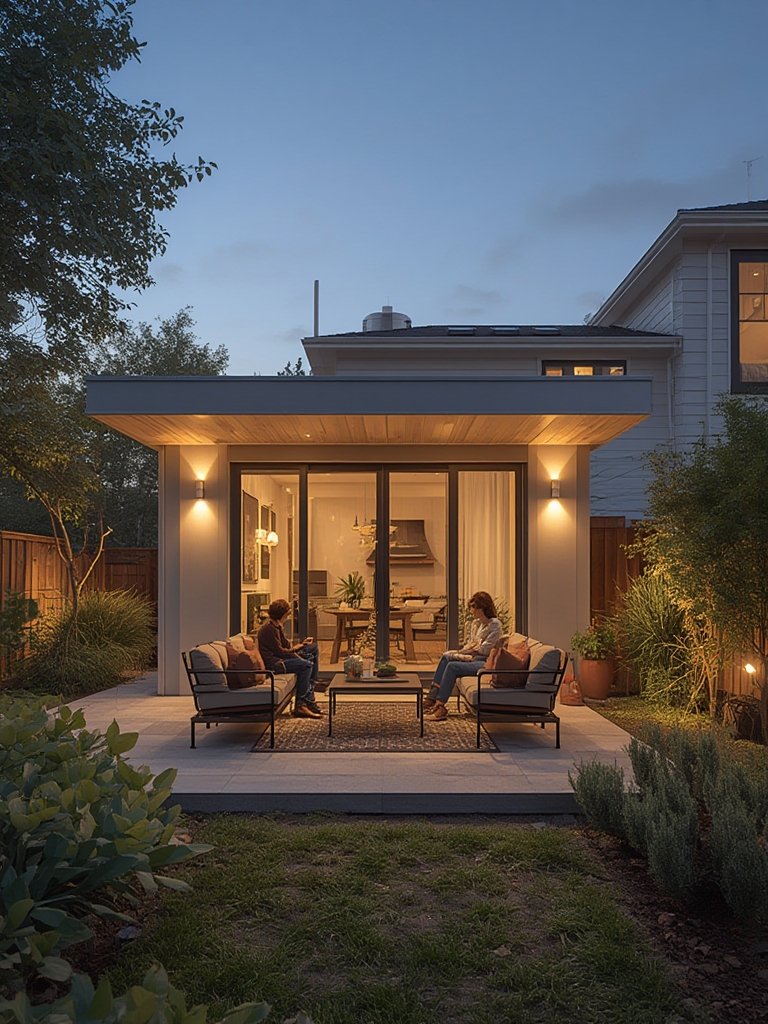
ADU construction offers immense benefits for property value, family flexibility, and passive rental income—but the process is demanding and packed with potential pitfalls. Careful upfront planning, budgeting for all fees, and choosing the right partners make a major difference. Consult multiple builders, compare realistic cost breakdowns, and don’t rush key steps like permitting and site prep. With a clear roadmap, even first-time homeowners can confidently navigate the complex world of ADU construction to unlock long-term value.
If you’re serious about adding an accessory dwelling unit, start gathering estimates, talk to your local building department, and sketch your must-have features now. Ready to explore energy efficiency for your ADU? See our complete HPWH guide or compare flooring durability in our SPC flooring breakdown to plan a smarter build.
FAQ
How much does it really cost to build an ADU in 2024?
Expect to pay $150–$300 per square foot. A typical 500 sq ft detached ADU ranges from $75,000–$150,000, but high-cost cities like Los Angeles and New York often exceed $300,000 due to higher labor and fees. Site work, permits, and custom finishes can increase costs further.
How long does ADU construction take from start to finish?
Most projects take 9–18 months including 3–6 months for design and permitting, and 6–12 months for actual construction. Delays are common if your city has complex zoning or if changes arise mid-build.
What are the most common hidden costs with ADU builds?
Hidden costs include site preparation, utility connections, unexpected city fees, foundation upgrades, and general contractor markups. Always add a 10–20% contingency to your total budget.
Can I use my ADU for a home office, rental, or family member?
Yes. Many homeowners use ADUs for multigenerational living, rental income, or a dedicated home office/studio. Design for sound privacy and energy efficiency based on your primary use.
Are there low-maintenance tips for ADU interiors?
Use washable rugs, easy-to-clean flooring, and consider sound-dampening wall panels. Invest in durable hardware and water-saving fixtures to minimize upkeep and appeal to modern tenants.