

Home battery storage system costs, installation steps, and incentives are top concerns for homeowners looking to add backup power in 2024. Real-world prices vary, and understanding key pitfalls, brand differences, and how to maximize value is critical before investing. This guide gives you clear, actionable steps based on the latest research.
Key Takeaways
- Installed costs in 2024 range from $200-400 per kWh (totaling $6,000-$23,000), but hardware, labor, and brand matter.
- Federal tax credits and local utility rebates can reduce upfront investment by 30% or more.
- Larger systems often offer a lower per-kWh price, but technical specs, warranty, and real-world backup performance should guide your final choice.
- What is a Home Battery Storage System and Why Install One?
- How to Add a Home Battery Storage System: Step-by-Step
- Advanced Analysis & Common Pitfalls
- Conclusion
- Frequently Asked Questions
What is a Home Battery Storage System and Why Install One?
A home battery storage system lets homeowners store excess energy—usually from rooftop solar panels or the grid—for use during outages, at night, or when utility rates spike. This helps reduce your reliance on the grid, guards against blackouts, and often lowers electricity bills by letting you shift your usage to cheaper or renewable power.
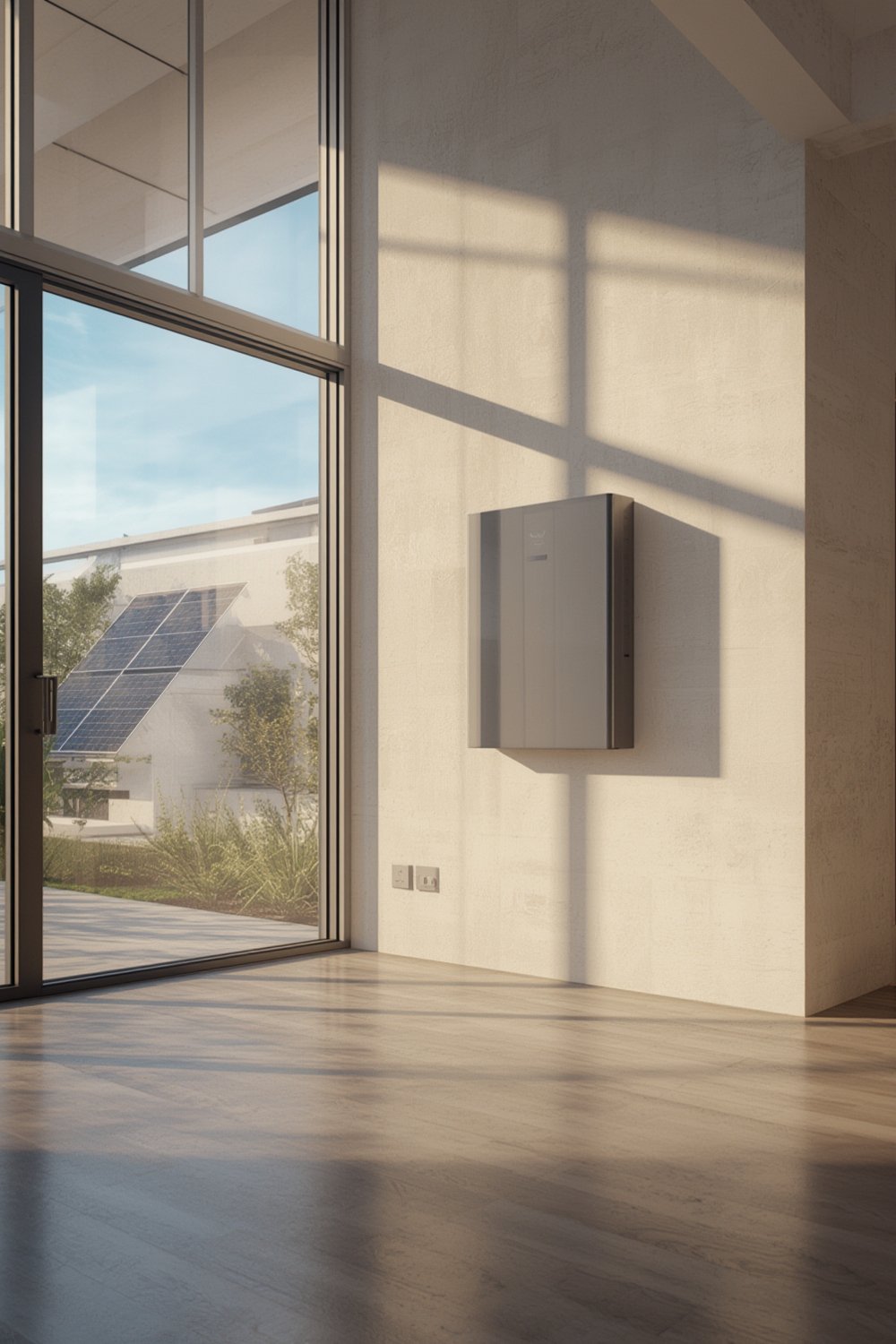
By acting as backup power, these systems not only increase home resilience but can also let you take advantage of incentives like the federal tax credit. Many owners also bundle batteries with high-efficiency appliances, such as a heat pump water heater, to further reduce household energy costs.
Most modern home battery solutions include smart monitoring, robust safety features, and warranties, but it’s important to match the system size and features to your specific backup, financial, and sustainability goals.
How to Add a Home Battery Storage System: Step-by-Step
Choosing, sizing, and installing a home battery storage system requires careful planning. Follow these steps to streamline the process and avoid common mistakes:
- Assess Your Energy Needs
- List essential appliances and devices you want to power during outages (e.g., refrigerator, washable rug vacuum, medical devices).
- Estimate daily kWh needs and peak wattage. Online calculators can help.
- Research Brands and Compare Installed Costs
- Premium: Tesla Powerwall ($500/kWh), LG Chem, Sonnen ($600-$700/kWh)
- Mid-range: Enphase, Generac PWRcell ($550-$650/kWh)
- Entry-level: Crown Battery, SimpliPhi ($400-$500/kWh)
- Larger systems (20 kWh): up to $22,000 before incentives. Details here.
- Remember, larger batteries often offer a better per-kWh price [source].
- Get Local Quotes and Site Assessment
- Schedule an on-site visit for wiring compatibility and load panel sizing.
- Check for any electrical upgrades needed before installation.
- Verify permit requirements and utility policies in your area.
- Apply for Incentives
- Claim the 30% federal tax credit. For a $9,000 to $18,000 system, this lowers your net cost to $6,000-$12,000.
- Check for state and utility rebates—most top installers will help file paperwork. See this guide for more incentive info.
- Pairing your system with solar panels often increases your eligible tax benefits.
- Schedule Installation
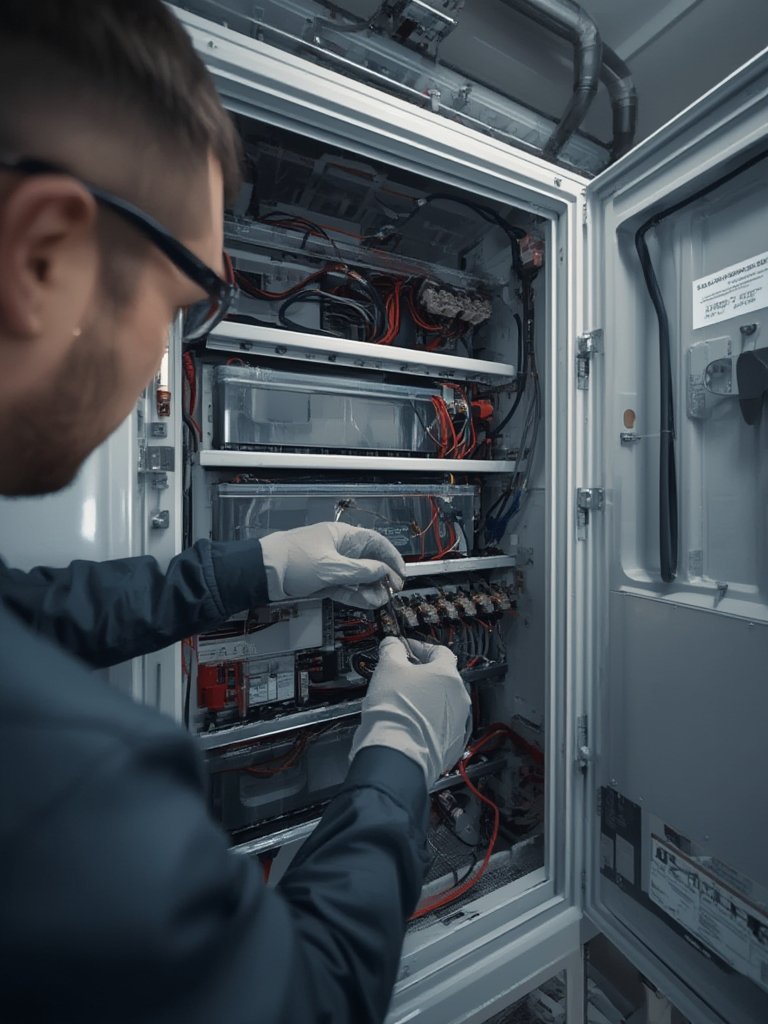
- Installation usually takes 1-3 days, including electrical work, mounting, and smart monitoring setup.
- Parts: hardware ($300-$500/kWh), labor/installation ($1,500-$3,500), permits ($200-$500), and smart monitoring ($300-$600). More details at this pricing report.
- Test and Monitor Your System
- After installation, test backup operation in a controlled outage scenario.
- Monitor battery performance and get familiar with your system’s app or dashboard.
- Plan safe operation and maintenance, especially if you have children or sensitive electronics.
If you’re upgrading other parts of your home simultaneously—like swapping to noise-dampening fluted panels or upgrading to energy-efficient SPC flooring—coordinate with your installer for bundled labor and smoother scheduling.
Advanced Analysis & Common Pitfalls
While interest in residential battery backup is surging, there are real obstacles and mistakes that can erode your system’s value. The most frequently reported issues in online reviews and forums have not been consistently documented, but industry experience and anecdotal accounts reveal several common pitfalls:
- Overestimating Backup Duration: Actual usable hours during an outage are often less than homeowners expect, especially with central A/C, electric water heaters, or washers/dryers. Smart load management is essential.
- Permitting and Inspection Delays: Some regions have slow approval processes—double your expected waiting time.
- Underestimating Total Cost: Quotes may not include all labor, upgrade, or software fees. Request a fully itemized proposal before signing.
- Poor Installer Communication: Documentation, user training, and follow-up should be specified in your contract.
- Unrealistic Payback Expectations: Current ROI and payback periods for stand-alone batteries (without aggressive utility rates or full solar pairing) are often longer than 10 years—and sometimes unquantified. Carefully assess if backup peace-of-mind is your main objective.
- Lack of Technical Transparency: Due to limited published data, getting clear cycle life, warranty, and chemistry details for each brand is challenging. Insist on written specs before purchase.
| Brand | Price per kWh (Installed) | Typical System Cost | Capacity Range (kWh) | Comments |
|---|---|---|---|---|
| Tesla Powerwall | $500 | $8,400-$9,300 | 13.5 | Premium, strong ecosystem |
| LG Chem, Sonnen | $600-$700 | $13,700-$15,000 | 10-16 | Premium, widely used |
| Crown Battery, SimpliPhi | $400-$500 | $6,500-$8,000 | 5-10 | Entry-level, flexible sizing |
| Enphase, Generac PWRcell | $550-$650 | $9,041-$22,000 | 11.4-20 | Mid-range, modular |
| Panasonic EverVolt | $800 (est) | $16,000-$22,000 | 20 | Large capacity, high cost |
To prolong your investment, consider pairing your battery with energy-efficient laundry appliances like a ventless washer dryer or other low-load tech. This reduces the chance of accidental overloads during outages and maximizes backup runtime.

Conclusion
A home battery storage system offers backup, bill savings potential, and peace-of-mind, but successful installation means getting honest about cost breakdowns, realistic incentives, and the technical details for each brand. Make sure to combine professional installation with good planning, and pair your battery with efficient appliances and home improvements. Ready to take charge of your energy? Compare local quotes and see how much you can save.
Frequently Asked Questions
How much does a home battery storage system typically cost in 2024?
Installed costs generally range from $6,000 for a 5 kWh entry-level system up to $22,000 for 20 kWh high-capacity units. Per kWh, expect $200-$400, but prices vary by brand and features. Larger systems usually offer better per-kWh value.
What incentives or rebates are available for home battery backup in 2024?
The main incentive is a 30% federal tax credit, which can reduce a $9,000-$18,000 system to $6,000-$12,000. Some states and utilities also offer rebates. Always check current local programs before purchasing.
How much backup time will a system provide during an outage?
It depends on system size and your usage. A 10 kWh system may power critical loads for 8-12 hours; larger units can last longer, especially if paired with load management or solar panels. High-powered devices drain batteries faster.
Does pairing a battery with solar panels improve ROI?
Yes, pairing greatly improves eligibility for incentives and allows you to store and use your solar generation at night. However, ROI and payback period depend on local rate structures, sunshine, and installation costs.
Are home battery systems noisy or high maintenance?
No, most lithium-ion based batteries are quiet and require minimal maintenance. Occasional checks on hardware, firmware updates, and periodic cleaning around ventilation openings are recommended.
—