

Wet room bathroom designs are transforming the way homeowners think about accessible, open-concept showers and sleek modern interiors. Whether you’re renovating a compact ensuite or future-proofing your family home, wet rooms offer style, safety, and functionality—if you approach them with the right know-how.
Key Takeaways
- Wet rooms are a top bathroom trend for 2024 in Europe, with rising demand for minimalist layouts, fluted finishes, and luxury fixtures.
- Proper waterproofing, drainage design, and safety adaptations are critical for long-term performance and accessibility.
- Common pitfalls include insufficient waterproofing, lack of accessibility features, and underestimating installation complexity—planning and expert input are vital.
- What Is a Wet Room Bathroom and Why Are They Trending?
- How to Create a Wet Room Bathroom: Practical Steps
- Advanced Analysis & Common Pitfalls
- Conclusion
- FAQ
What Is a Wet Room Bathroom and Why Are They Trending?
A wet room bathroom is a fully waterproofed bathroom with an open, step-free (curbless) shower area. Instead of a traditional shower tray, the floor is gently sloped to channel water toward a discreet drain. The entire room can safely get wet, offering a sleek aesthetic and, crucially, maximum accessibility for users of all ages and mobility levels.
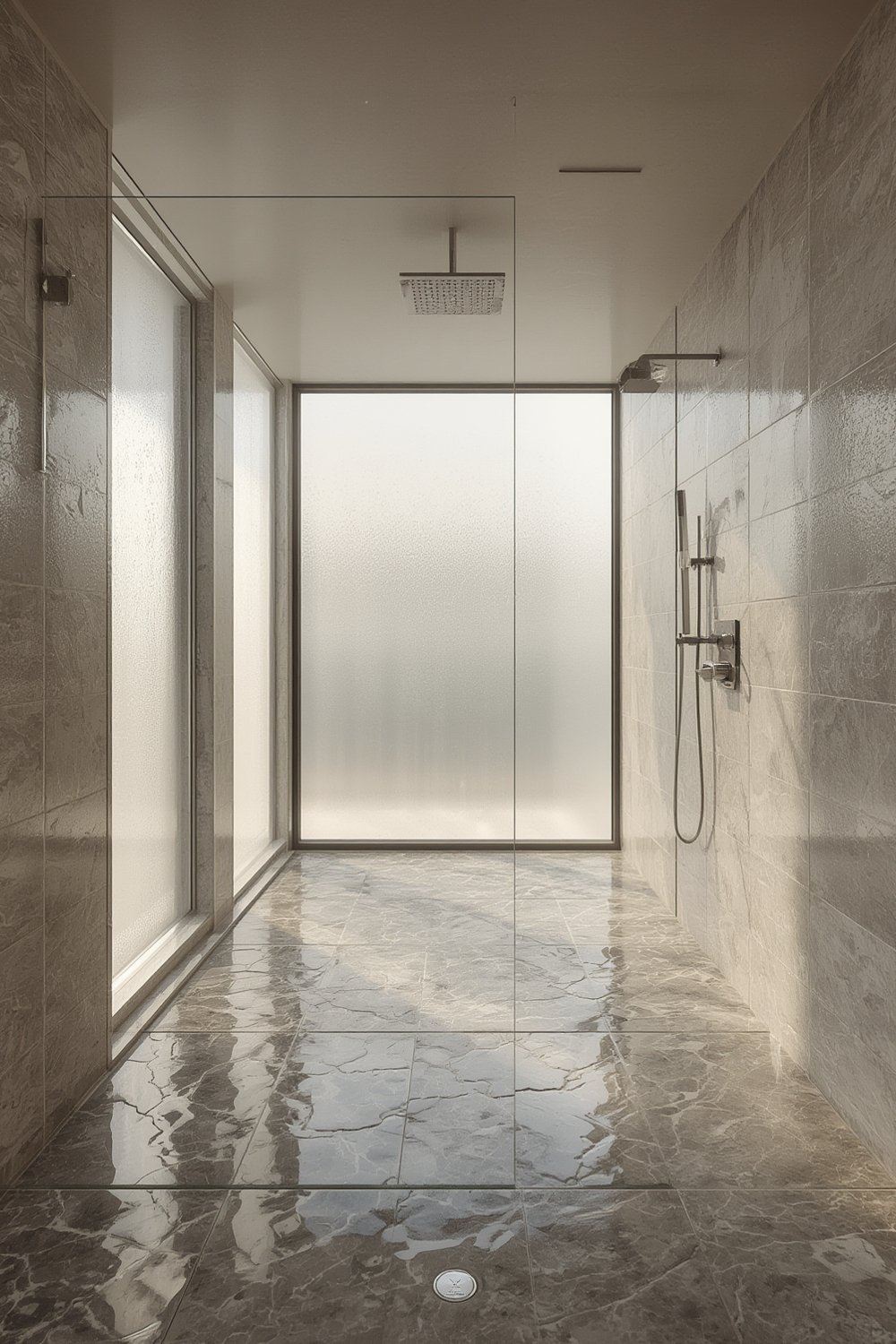
In 2024, wet room bathrooms are a fast-growing trend in Western Europe and gaining popularity elsewhere for three reasons:
- Accessibility: No steps or thresholds, making them ideal for anyone with mobility challenges.
- Luxury and Space: Wet rooms give even small bathrooms a spa-like, open feel—especially when paired with fluted wall finishes and statement basins.
- Modern Aesthetics: Current design trends include brutalist greys, natural wood tones, and freestanding fixtures that create a serene sanctuary.
In Western Europe, city dwellers are opting for walk-in showers and modular layouts to maximize space during urban remodels, with smart fixtures driving modernization.
(View full market report.)
How to Create a Wet Room Bathroom: Practical Steps
Building a reliable wet room bathroom goes well beyond replacing your old shower tray with a tile floor. Follow these steps for a bathroom you’ll love—and that stands the test of time.
- Plan the Layout and Accessibility Features
Balance aesthetics and safety with a clear layout. Allow at least a 1.2 x 1.2-meter open shower space. For improved accessibility, include reinforced walls for grab bars, and plan for a bench or folding shower seat at correct height for ADA or local guidelines. - Subfloor Preparation and Waterproofing
Strip the room back to the subfloor and apply a tanking membrane, lapping at least 12 inches up the wall. Use flexible, waterproof backer boards for extra protection. Don’t forget to waterproof pipe penetrations and corners. - Drainage and Floor Slope
Wet room bathrooms require precise gradients (typically 2% slope toward the drain) to prevent pooling. Install a linear drain slightly offset from high-traffic areas. This design is easier to clean and compatible with large tiles. - Choose Fixtures and Surfaces
Select non-slip tiles (R11 or higher), fluted wall panels, and waterproof grout. For eco-conscious homes, try recycled tile options. - Finish with Lighting and Smart Controls
Install IP-rated (waterproof) LED lighting and sensor-activated taps or a heat pump water heater to increase efficiency. Use smart thermostats or voice controls compatible with steamy environments. - Test Before Use
Flood test the wet room before final completion to catch leaks early. Even the best membranes fail if not installed correctly.
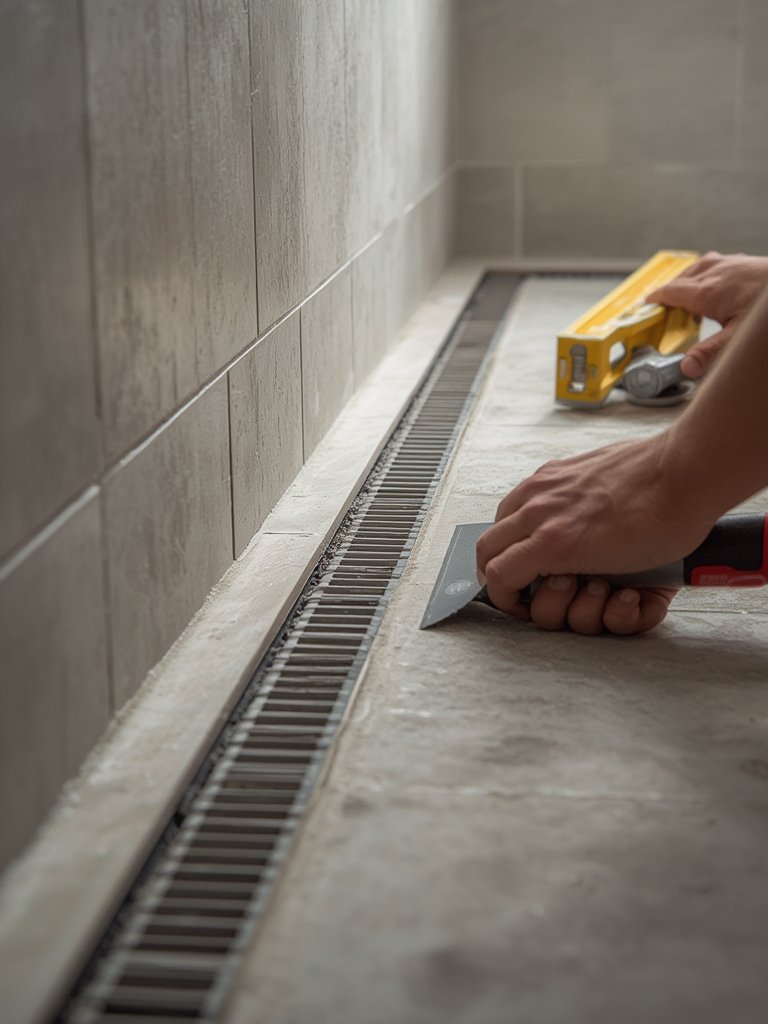
For truly compact homes or apartments, maximize usable space by integrating a ventless washer dryer into your wet room design—no need for external venting, and you avoid cluttering up other rooms.
Advanced Analysis & Common Pitfalls
Wet room bathrooms are not as simple as they look in glossy magazine photos. Understand the real-world challenges before investing:
| Pitfall or Issue | Common Cause | How to Avoid or Fix |
|---|---|---|
| Water leaks and mold | Insufficient membrane, failed seams, or skipped tanking step | Always have waterproofing work checked; insist on official flood test before tiling. |
| Slippery floors | Incorrect tiles or forgetting anti-slip rating | Use R11/12 slip-resistance tiles, and consider textured tiles for floor and benches. |
| Pooled water after showering | Improper or uneven slope (less than 2%) | Check with laser level before tiling; correct slope to 2% minimum toward drain. |
| Unpleasant odors or slow drainage | Incorrect drain selection or missing trap | Choose a quality linear drain with accessible trap for easy cleaning. |
| Poor accessibility | No grab bars, narrow entry, or wrong bench height | Add support in walls before tiling, and follow referenced standards for elderly/disabled users. |
| Cost overruns | Underestimating labor or price of waterproofing materials | Get fixed bids for labor, and budget for premium materials upfront. |
Most user complaints during installation stem from rushing waterproofing or hiring non-specialists. Daily use issues—like floors staying wet or cleaning hassles—can be partly solved by adding a washable rug with waterproof backing in drier zones. For busy homes, an easy-to-replace SPC flooring in adjoining rooms (learn why here) keeps moisture from spreading.
Other advanced points often missing from popular guides:
- No detailed accessibility specs—adaptations like correct grab bar placement, transfer benches, or non-slip coatings are underrepresented. See this design trends resource for ideas, but demand more detail from professionals.
- Eco-friendly materials and water conservation stats are lacking. If sustainability is a priority, request products with recycled content and compare water usage with traditional showers—saving water boosts your green credentials and lowers bills.
- Smart home systems integration in moist, humid settings is still maturing. Use only smart products rated for wet environments, and wire for voice or sensor controls at installation time. For hot water efficiency, explore the benefits of an energy-saving heat pump water heater.
Conclusion
Wet room bathrooms deliver modern design, accessibility, and a true spa feel when planned and built with care. Evaluate your budget, waterproofing needs, drainage, and accessibility up front—don’t let trends alone drive your decision.
Ready to modernize your home? Prioritize safety and style by working with a specialist on your next wet room bathroom project. Start planning today to enjoy a beautiful, future-proof space for years to come.
FAQ
What is the difference between a wet room bathroom and a walk-in shower?
A wet room is fully waterproofed (tanked) with a stepless shower area and sloped floor, while a walk-in shower usually has a low-profile tray or curb. Wet rooms provide seamless, accessible, open spaces.
Are wet room bathrooms easy to clean?
With wall-mounted fixtures and large-format tiles, wet rooms are typically easier to clean. However, water can splash more widely, so daily squeegeeing and maintaining grout lines is important.
How much does a wet room conversion cost?
Costs vary by region and complexity. However, expect higher labor and waterproofing material costs than a standard renovation. While some sources suggest a 5% property value boost, get quotes to avoid surprises and budget for premium drainage solutions.
Will a wet room bathroom reduce slips and falls?
When designed with anti-slip floors and accessibility in mind, wet rooms can reduce trip hazards. Still, water spread means it’s vital to use slip-resistant tiles and add non-slip mats or rugs where needed.
Do wet rooms increase property value?
Professional remodels and high-end finishes typically add value—some reports cite a 5% uplift for wet rooms or luxury bathrooms. Appeal is highest for accessibility-focused and modern homes.
—