

cold plunge tub installations are rapidly becoming the centerpiece of modern home wellness routines. With surging market growth, advanced features, and a realistic set of challenges, knowing the real story on cold plunge tubs is essential before investing for your home.
Key Takeaways
- The cold plunge tub market is growing steadily, with residential installations leading new trends in home wellness for 2024.
- Homeowners face real issues like upfront costs, maintenance, and technical challenges—these need honest planning.
- Emerging tubs feature smart controls and portability, but careful research is crucial to avoid common pitfalls.
- Understanding the Cold Plunge Tub Trend
- How to Install a Cold Plunge Tub at Home: Step-by-Step
- Advanced Analysis & Common Pitfalls
- Conclusion
- FAQ
Understanding the Cold Plunge Tub Trend
Cold plunge tubs offer rapid cooling and hydrotherapy for recovery, stress relief, and overall wellness in your own home. The concept goes beyond traditional bathtubs—a cold plunge tub can hold water at 39 to 55 degrees Fahrenheit for effective contrast therapy or post-exercise cooldown. Their explosion in popularity is driven by a wider embrace of home-based wellness and the proven benefits of cold-water therapy for body and mind.
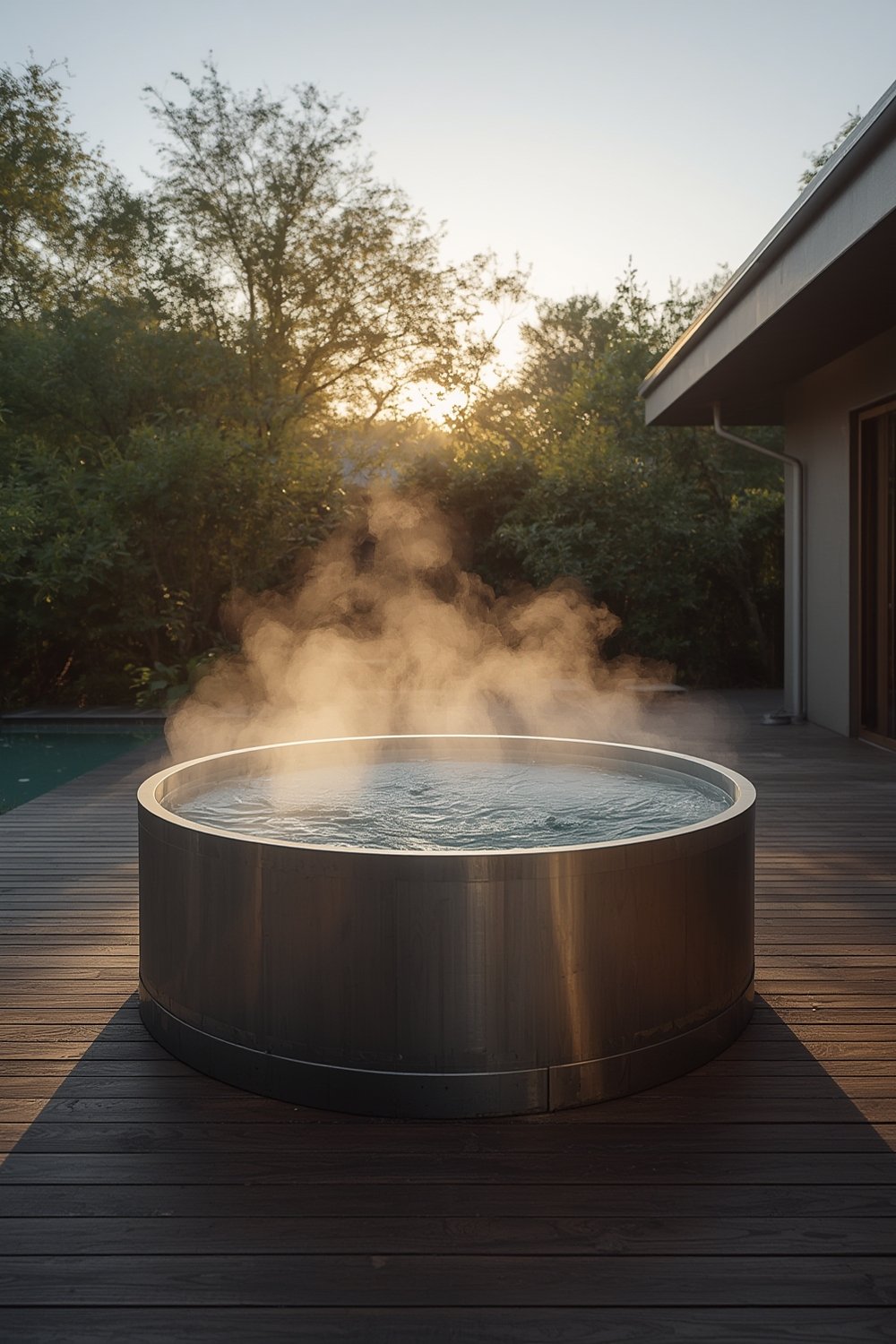
Why are homeowners considering cold plunge tubs now? According to multiple market research sources, the global cold plunge tub market climbed to USD 320.81 million in 2024, and is projected to reach USD 415.86 million by 2030 at over 4% compound annual growth. The residential segment is accelerating fastest, spurred by a rise in at-home recovery, wellness tech, and above-ground, easy-install designs that now account for over 60% of new purchases (source).
This rapid growth is also part of a much larger global shift: home wellness hardware—including cold plunge tubs, advanced water heaters, and spa-like bathroom features—has seen double-digit expansion as more people prioritize physical and mental self-care at home.
If you’re also rethinking home upgrades, you may want to compare the energy savings of a heat pump water heater or soundproofing with fluted panels for an even more integrated wellness environment.
How to Install a Cold Plunge Tub at Home: Step-by-Step
Installing a cold plunge tub in your home requires more than just buying the equipment—real planning, site assessment, and technical execution are essential to get safe, efficient performance. Here’s how to approach the process:
1. Planning and Site Prep
Evaluate possible locations: a ground-level bathroom, home gym, basement, or even outdoors. Ensure easy access to a water source, drainage, and adequate electrical supply for powered tubs.
2. Choose Your Tub Type
Options include above-ground prefabricated units (most popular for home use), in-ground spa-style installations, or DIY solutions. Above-ground versions dominate for their easy setup—explained in this
2025 market projection. Key features to weigh:
- Size and weight limits (consider small vs. large units)
- Integrated cooling/heating or ice only
- Portability and design footprint
- Smart features (see Section 3)
3. Installation & Plumbing
Simple above-ground tubs typically require only a hose for fill and a nearby floor drain. Luxury or large models may need dedicated plumbing lines and a GFCI-protected 120V or 240V outlet. Always follow local building codes—if in doubt, hire a licensed plumber or electrician.
4. Water Treatment & Maintenance
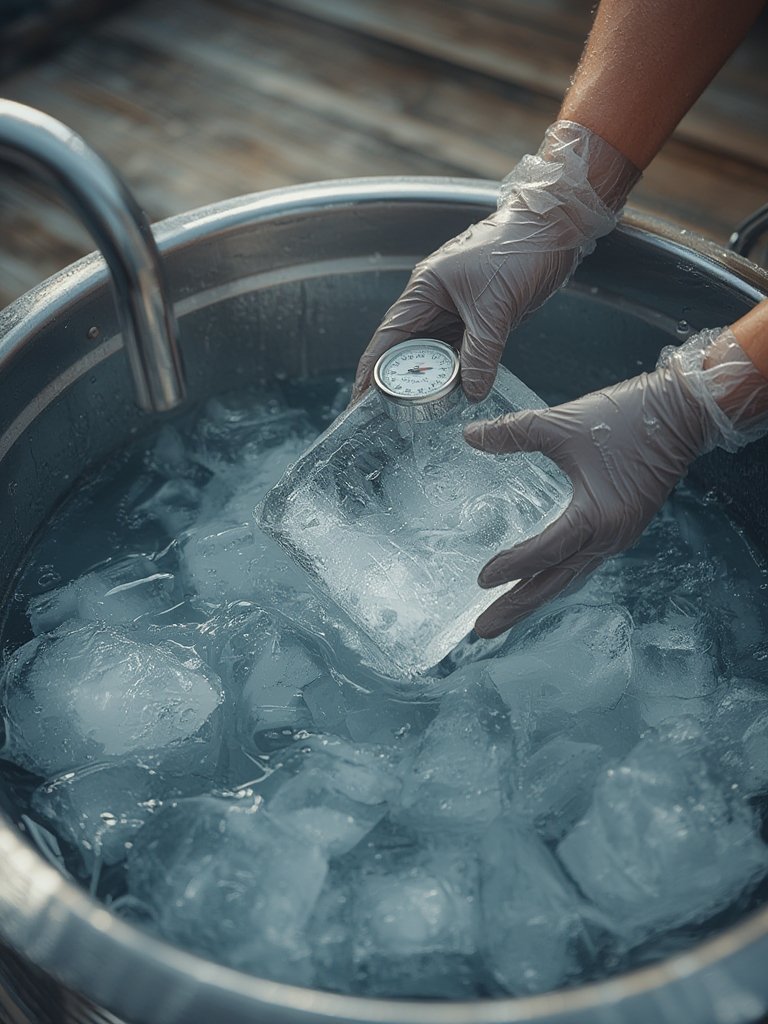
Most plunge tubs require filtration and routine sanitizing—think of it like a mini pool. Invest in an easy-to-access filter and consider automated ozone or UV sanitizing if the manufacturer offers them. Budget 10 to 20 minutes per week to test water, clean filters, and check temperature consistency.
5. Safety & Final Checks
Install non-slip flooring, grab bars, and ensure the electrical circuit is safely grounded. Make sure user access/egress is easy for all family members. Test temperature regulation before first real use.
For space constraints, consider multi-purpose laundry/bath areas with compact features like a ventless washer dryer for max efficiency, or protect damp-prone floors under your plunge with a washable rug.
Advanced Analysis & Common Pitfalls
No installation is perfect. In 2024, even as technology advances, real-world concerns continue dogging cold plunge tub owners—often overlooked by surface-level how-to guides. These include cost, maintenance, and not always achieving desired recovery outcomes.
| Issue | What to Know | Real-World Impact |
|---|---|---|
| Upfront Cost | Most reported pain point—high initial outlay with limited real rewards for casual users. | $1500 to $10,000+ for equipment alone; advanced models even higher. No proven ROI unless consistently used. |
| Maintenance Burden | Water quality, filter cleaning, and sanitization require discipline. | Neglect can cause odors, poor hygiene, or algae. Automated sanitizing tech helps, but adds cost. |
| Temperature Control | Budget and DIY setups often lack precise controls; pro models may have smart controls. | Risk of too-warm or too-cold sessions, limiting benefits—factor into your buying choice. |
| Permits/Code | Local regulation often unclear; unpermitted work can cause insurance or legal headaches. | Always check city codes on drains, grounding and GFCI electrical. |
| Energy Use | Running an active-cooling tub is similar to a mini refrigerator or AC unit. | Expect $20–$40/month in energy during heavy use. Efficient units or HPWH upgrades can offset this (learn more). |
| Lack of Clinical Data | No clear studies comparing in-home tubs to commercial cryotherapy results. | Results can vary. Don’t expect guaranteed outcomes for athletic recovery compared to pro clinics. |
| Space & Flooring | Heavy water loads stress old joists; water spills risk damaging unsupported floors. | Consider waterproof vinyl like SPC flooring for durability. |
New Technologies in 2024
Cutting-edge cold plunge tubs now offer:
- Smart temperature regulation with smartphone integration (source)
- Automated ozone or UV sanitizing (low effort maintenance)
- Portable, compact, or modular designs optimized for apartments and condos
- Energy-efficient compressors and rapid-fill/rapid-drain systems
More home gym and bath design plans pair tubs next to energy-saving laundry appliances, maximizing small spaces and supporting recovery-focused lifestyles.

Conclusion
Cold plunge tubs are transforming the way homeowners approach at-home wellness, but they do require careful planning, ongoing maintenance, and financial investment. Weigh the practical realities, including upfront and hidden costs, before making a move. The right setup can offer daily stress relief and faster recovery—but only if you make informed choices and plan ahead. Start by deciding if a cold plunge tub is the best match for your lifestyle and space, then budget, research, and consult with local pros as needed.
Ready to go deeper? Compare other advanced home wellness upgrades and shop for the best features that fit your space and recovery goals.
FAQ
Do I need a permit to install a cold plunge tub at home?
In many areas, a permit is not needed for plug-and-play tubs, but check your local building codes if you need plumbing or electrical work. Always use a licensed contractor for major installations to avoid legal and insurance issues.
How much does a typical residential cold plunge tub cost?
Basic models with full setup run $1500–$4000. Premium units with built-in chillers, automation, and filtration can exceed $10,000. DIY conversions are possible but can compromise safety and durability.
Are home cold plunge tubs energy efficient?
New models feature energy-efficient compressors, but most tubs add $20–$40/month to your electric bill with daily use. Investing in smart controls and insulation helps reduce operating costs.
Do all cold plunge tubs require plumbing and special electrical?
Portable above-ground tubs often need only a water hose and grounded electrical outlet. Larger or built-in tubs may need professional plumbing and a dedicated electrical circuit with GFCI protection.
What maintenance do home cold plunge tubs require?
Expect weekly filter cleaning, regular water testing, and sanitizing cycles. Automated ozone or UV sanitizing helps reduce effort, but routine care still matters for safety and performance.