

Spa bathroom features are rapidly becoming a top trend in home upgrades, giving homeowners a luxurious, calming sanctuary without leaving the house. But are these upgrades worth the cost, and what does it really take to create a practical, low-maintenance spa retreat in your own bathroom?
Key Takeaways
- Over one third of renovated bathrooms in 2024 include spa bathroom features, but high-end upgrades can be expensive and complex to maintain.
- Smart planning around lighting, soaking tubs, and water features maximizes both wellness and ROI, but clinical evidence for health benefits remains limited.
- Most homeowners hire professionals due to technical challenges of installation, and few top guides discuss long-term maintenance, regrets, or post-upgrade satisfaction in depth.
- What Are Spa Bathroom Features and Why Are They Trending?
- Step-by-Step Guide: How to Plan and Build Your Own Spa Bathroom
- Advanced Analysis & Common Pitfalls
- Conclusion
- FAQ
What Are Spa Bathroom Features and Why Are They Trending?
Spa bathroom features transform a basic bathroom into a wellness retreat using elements like enhanced lighting, soaking tubs, rainfall showers, and calming water accents. In 2024, roughly 36% of renovated bathrooms included wellness features, while 18% specifically added soaking tubs or spa baths [Houzz 2025 Study].
These elements appeal because they deliver a daily sense of peace, relaxation, and even luxury without recurring spa visits. Upgraded lighting can set the mood or energize routines, while water features or deep soaker tubs help melt away stress after a long day. Homeowners also report a “joy score” of 9.6 out of 10 after bathroom renovations with these enhancements[AAA].
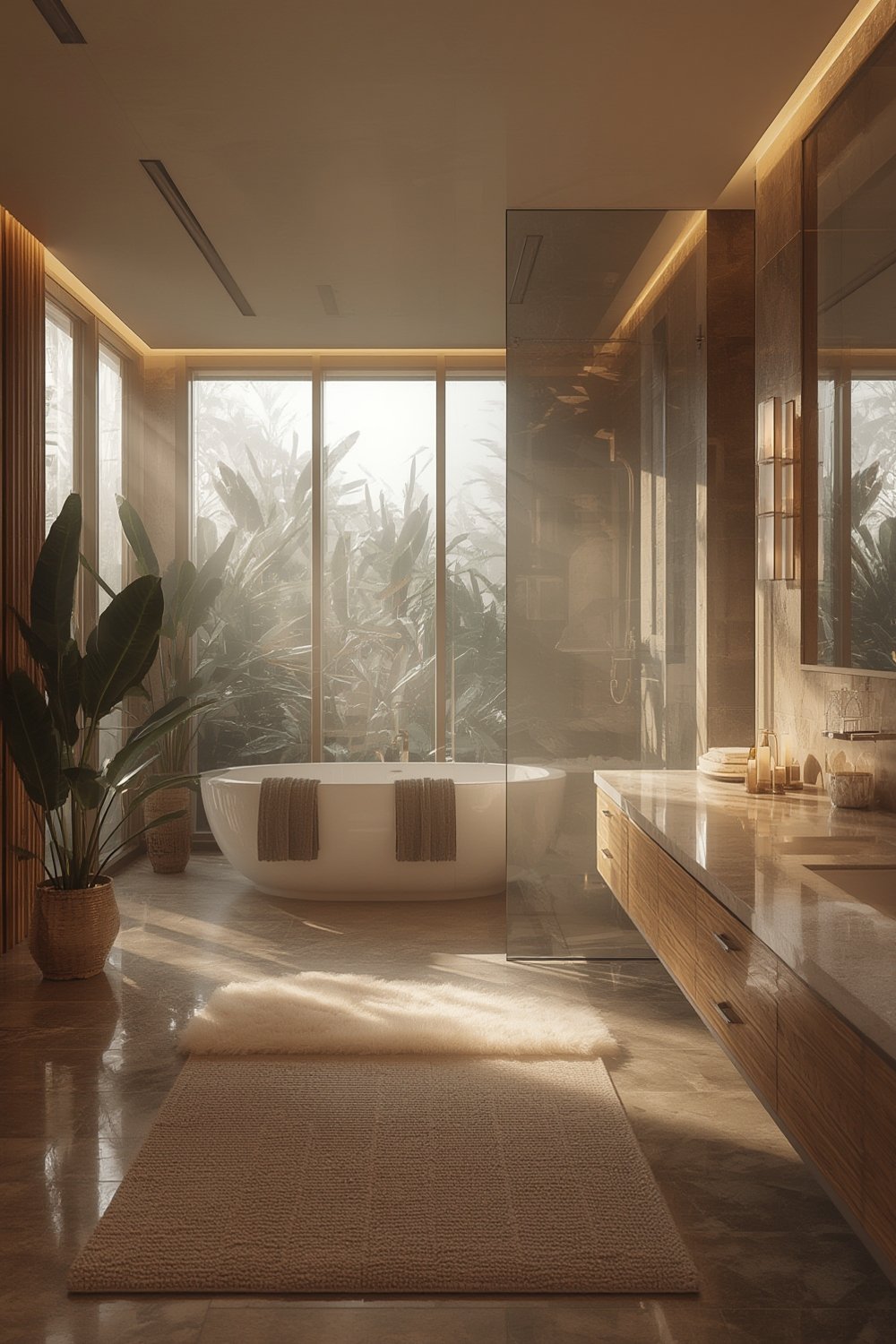
However, the cost can be significant. The median spend for a 2024 bathroom remodel is $13,000, with upscale spa-focused remodels averaging up to $78,000[Tropic Renovations]. Features like oversized showers with multiple heads or stone benches, and digital touch controls often require professional design and installation expertise for both function and durability.
A well-executed spa bathroom not only improves relaxation and beauty routines but can also boost your property’s value and appeal to buyers looking for at-home sanctuaries.
Step-by-Step Guide: How to Plan and Build Your Own Spa Bathroom
- Define Your Main Wellness Goals
Determine your personal priorities: Do you value deep relaxation, beauty rituals, hydrotherapy, or mood lighting most? Keep these goals top of mind throughout the process. - Outline Your Budget & Scope
Start with a realistic budget. Entry-level spa upgrades like soaking tubs or upgraded lighting might start at $2,000-$8,000, while full luxury builds often exceed $30,000. Major remodels average ~$22,000, with upscale options at $78,000.- Consider your bathroom’s size: Large layouts (100+ sq ft) cost more and require more materials and labor. Consult cost benchmarks from reputable sources like Tropic Renovations.
- Choose Key Spa Bathroom Features
Focus on the top wellness additions per 2024 trends:- Upgraded lighting for ambiance, task, and color therapy
- Soaking tubs or deep spa-style baths
- Rainfall or steam showers with multiple heads
- Water features such as fountains or wall cascades
- Heated floors and towel warmers for ongoing comfort
- Natural materials: stone, bamboo, or fluted wood wall treatments (explore fluted panels for spa acoustics)
- Integrated aroma diffusers or air purifiers
- Smart controls for lighting, music, humidity, and temperature
- Address Plumbing, Electrical, & Ventilation Upgrades
Many spa bathroom features demand significant behind-the-walls updates:- Larger tubs, steam showers, and multi-head showers will increase hot water needs. Installing a heat pump water heater can ensure energy savings while delivering comfort.
- Smart toilets and showers may require new or dedicated electrical circuits.
- Water features need careful waterproofing and possibly floor reinforcement.
- Upgrading ventilation (high-capacity, quiet fans) is critical to fight humidity and mold.
- Layout, Materials, and Sensory Experience
Incorporate acoustic dampening with materials like fluted wall panels to soften echoes. Use washable, slip-resistant rugs to keep surfaces safe and comfortable (washable rug guide). Consider waterproof, durable flooring such as SPC flooring for longevity. - Consult Pros for Design and Installation
Given the complexity of most spa bathroom upgrades (and the fact that 84% of homeowners hire professionals [Houzz]), work with designers, plumbers, and electricians with bathroom spa experience for best results and code compliance. - Plan for Ongoing Maintenance
Schedule periodic checks for waterproofing, deep cleaning of water features, filter replacement for aroma diffusers, and white vinegar runs for steam/shower heads. Make sure warranties and parts are accessible for any smart or luxury equipment.
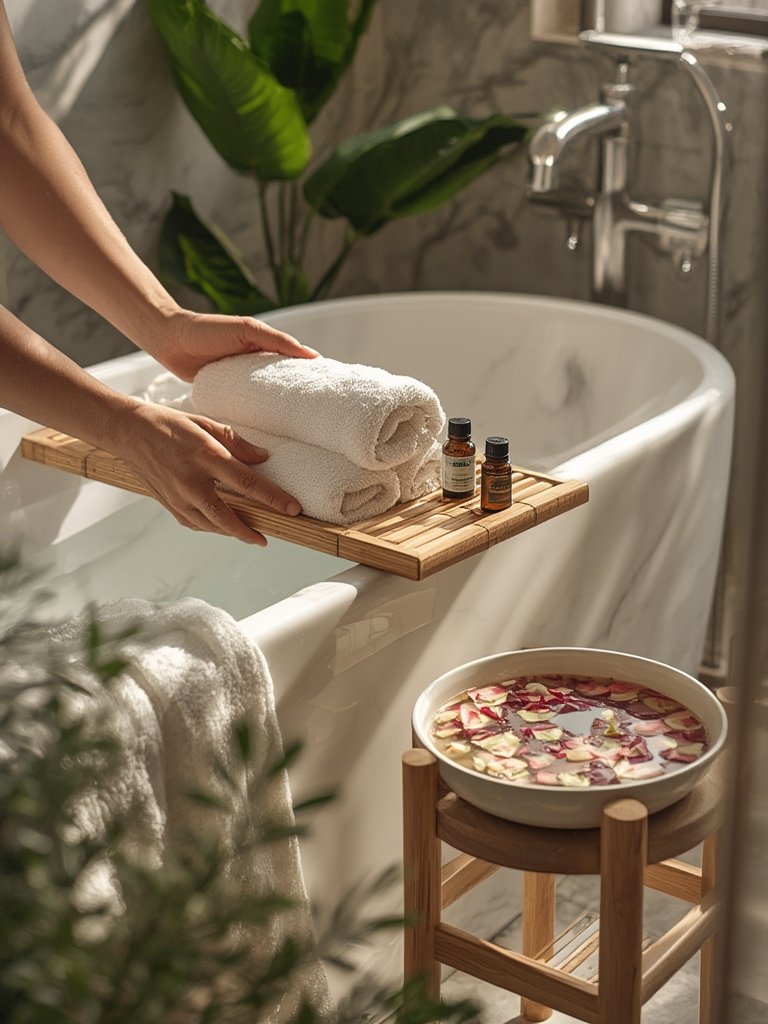
Don’t overlook other practical spa hacks: add a ventless washer dryer to save space for plush towels, or leverage energy-saving laundry to shrink utility bills while keeping everything fresh and soft.
Advanced Analysis & Common Pitfalls
Most guides gloss over the drawbacks and common pitfalls in creating spa bathroom features. Here are the main issues, backed by market research:
| Issue | Potential Problems | How to Avoid or Fix |
|---|---|---|
| Budget Overruns | Hidden costs from rerouting plumbing, custom tilework, smart equipment, or waterproofing surprises. Upscale remodels average $78,000, but quotes can rise mid-build. | Get multiple quotes with line-item breakdowns. Ask about lifetime maintenance and repair costs before committing. Build a 15% contingency into your budget. |
| Maintenance Burden | Luxury tubs and water features need constant maintenance (filter changes, descaling, cleaning jets). Some smart or steam systems require annual servicing. | Choose simple, robust brands and request written maintenance plans. Ask for long warranty terms and review real owner reviews of product reliability. |
| Lack of Post-Renovation Satisfaction Data | No published research on homeowner regrets or common disappointments. Homeowners often wish they had spent more on soundproofing, better ventilation, or easier-clean finishes. | Discuss fully with your designer and request referrals or references who have lived with similar upgrades for at least 1-2 years. |
| Technical Installation Complexity | Certain features (chromotherapy tubs, digital steam showers, integrated controls) need expert installation; basic DIY is not recommended. 84% of projects require professionals [Houzz]. | Always consult experienced, licensed trades. Ask for documentation, and don’t skip permits or inspections. |
| ROI and Resale Value | ROI can drop as remodels become more upscale: only 56% ROI on high-end jobs compared to 70%+ for minor upgrades [Together Design Build]. | Prioritize features that appeal to most future buyers (lighting, large showers, neutral design), and avoid overpersonalizing with costly options unless you intend to stay long-term. |
It’s also important to consider the less glamorous side: there’s little guidance on ongoing cleaning (especially for grout, jets, and mosaic tiles), what to do when your custom spa tub’s electronics stop working, or which upgrades actually reduce cleaning time.
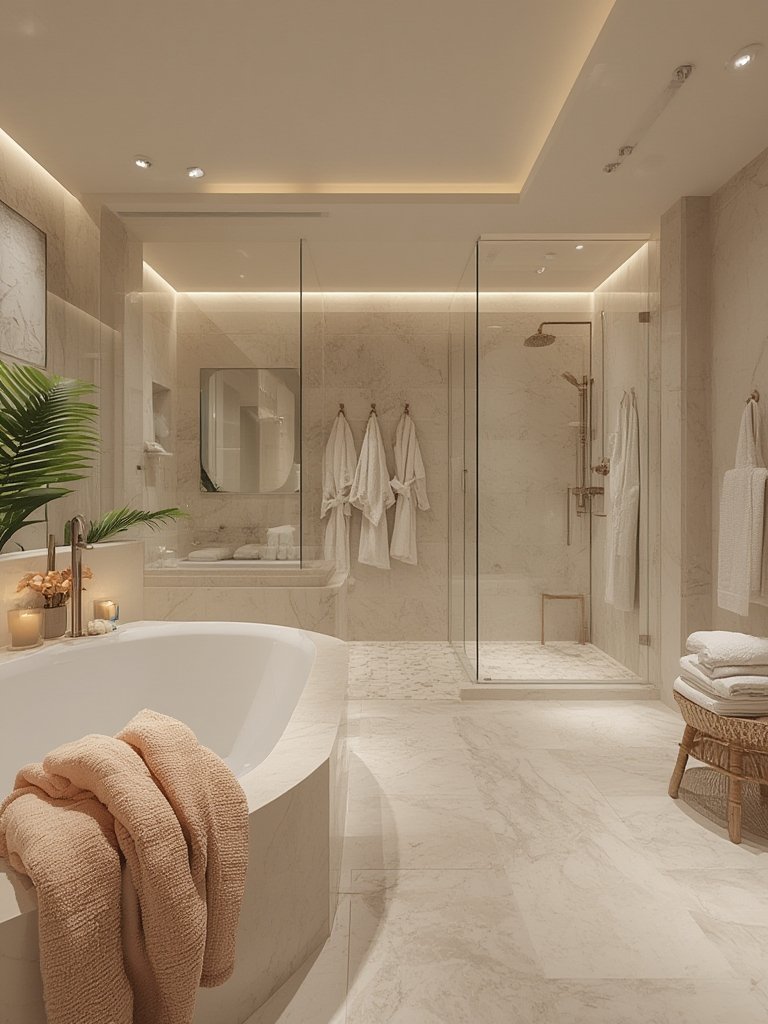
Finally, noise control is often overlooked. Echoey stone bathrooms might sap relaxation unless you use acoustic wall panels and soft surfaces to dampen sound. You can protect floors and boost comfort by adding non-slip, washable rugs.
Conclusion
Adding spa bathroom features can elevate your home routine, boost daily wellness, and impress future buyers. Plan budgets carefully, prioritize features that will genuinely improve your lifestyle, and always factor in maintenance and expert installation needs. There’s no “one size fits all”—so tailor your project based on personal preferences and realistic costs. Ready to upgrade? Use this guide to achieve a practical, relaxing upgrade with real value. For more insights, explore the rest of our guides for related upgrades and cost-saving tips.
To get started or ask questions about your next project, reach out today—and don’t forget to reference this guide for proven spa bathroom features that really work.
FAQ
How much does it cost to add spa bathroom features in 2024?
The national median spend for a bathroom remodel featuring wellness upgrades is about $13,000, with typical major spa-style renovations running from $22,000 to $78,000 depending on size, finishes, and tech. Premium features like walk-in showers or smart controls add to both the price and complexity.
Which spa bathroom features give the highest return on investment (ROI)?
Upgraded lighting, large showers, and soaking tubs are most popular with homeowners and prospective buyers. Minor to mid-range updates offer higher ROI (67%-72%), while ultra-luxury spas see returns drop below 60% on resale value.
How do I reduce maintenance for spa bathroom features?
Choose simple, high-quality brands; avoid fixtures with difficult-to-clean tiny jets or touchscreens. Schedule regular care for any water or aroma features, and use easy-to-clean materials. Request written maintenance plans from your installer and review all product warranties before purchase.
Can I build a spa bathroom myself or do I need professionals?
Most spa bathroom projects require at least some professional installation due to plumbing, waterproofing, and electrical needs. According to Houzz, 84% of homeowners hire pros for bathroom remodels. DIY is possible for basic upgrades, but not for high-end features like steam showers or smart toilets.
What wellness improvements can I make in a small bathroom?
Space-saving spa upgrades include wall-mounted soaking tubs, layered lighting, high-efficiency ventless washer dryers, shower panels, large-format tile for clean lines, and natural-scent diffusers. Stick to neutral palettes and maximize floor and wall storage to keep the spa feel uncluttered and serene.