

Solar panel installation is one of the most reliable ways homeowners can cut monthly energy bills and boost property value, while reducing their carbon footprint. But with costs, incentives, and financing options all over the map, making smart decisions takes more than just a quick quote. This guide cuts through the noise—explaining what to expect, real costs to watch for, and smart steps to install residential solar the right way.
Key Takeaways
- Solar panel installation costs and payback periods vary dramatically by region, financing choice, and incentives—always compare local quotes.
- Federal tax credits and state incentives can drop your upfront price by 30 percent or more, but don’t expect all programs to be simple or automatic.
- Zero-down financing options like leases and PPAs offer low entry barriers, yet reviewing loan terms and potential savings prevents costly pitfalls.
- What Is Solar Panel Installation and Why Does It Matter?
- How to Plan and Complete Your Solar Panel Installation: Step-by-Step
- Expert Analysis: Pitfalls, Financing, and Overlooked Details
- Conclusion: Is Solar Panel Installation Right for You?
- Frequently Asked Questions
What Is Solar Panel Installation and Why Does It Matter?
Solar panel installation refers to the design, mounting, and connection of photovoltaic (PV) panels that convert sunlight into electricity for your home. Why does it matter to so many U.S. homeowners? Installing solar panels lets you generate your own power, shrink long-term utility bills, and tap into valuable tax credits that can offset a big chunk of your investment. In 2024, rising utility rates and expanded incentives mean more homeowners are exploring residential solar for cost stability, energy independence, and environmental benefits.
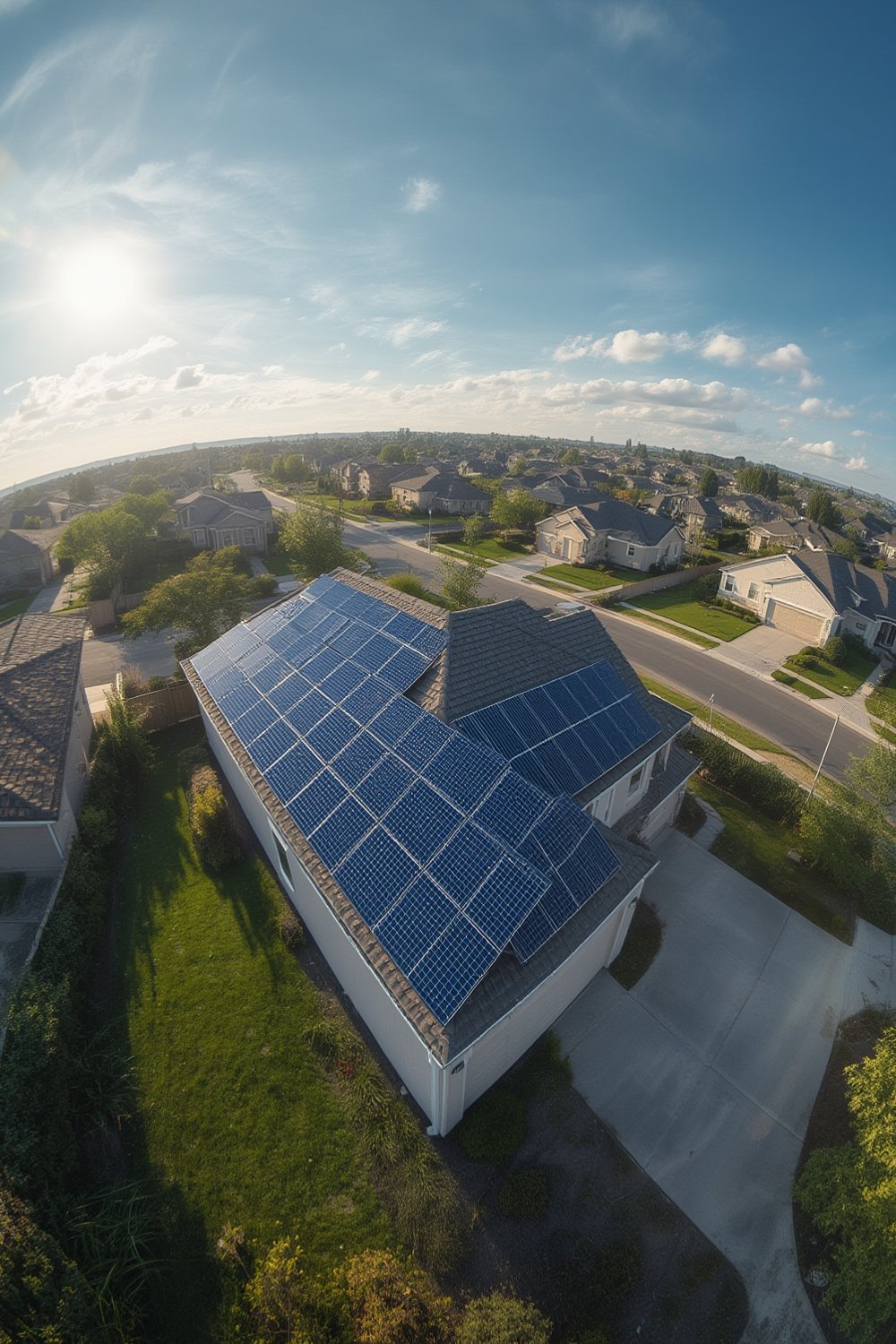
The process usually involves an initial rooftop or property assessment, system design, permitting, actual installation, and final grid interconnection. Each step influences the total cost and payback timeline. Understanding this upfront protects you from hidden fees, missed incentive windows, or delays caused by paperwork or utility policies.
Well-executed solar panel installation delivers more than clean energy. It often increases home value, locks in lower energy rates, and gives you options to monetize surplus power via net metering programs—where available. Missteps, though, can leave you with expensive contracts or a system that under-delivers. That’s why knowing the core concept is your first defense against frustration or regret.
How to Plan and Complete Your Solar Panel Installation: Step-by-Step
With the right preparation, you can maximize your solar ROI, avoid financing headaches, and ensure your system delivers as promised. Here’s how to do it, step-by-step.
- Check site suitability: Inspect roof orientation, shading, and structural health. South- and west-facing roofs get more sun, while heavy shading or old roofing may require added work or a ground-mounted array.
- Research local incentives: Beyond the federal 30% tax credit, search your local DSIRE database or utility company for state and municipal rebates. Some programs even cover battery storage or high-efficiency heat pump water heater add-ons.
- Get multiple installer quotes: Compare at least three reputable, certified contractors. Scrutinize warranty terms, system specs, and whether they help with permitting and grid interconnection paperwork.
- Choose and apply for financing: Decide between purchasing outright, a solar loan, lease, or power purchase agreement (PPA). Weigh the long-term total cost, not just the monthly payment. For an in-depth comparison of zero-down options and loan rates, review the run-down on zero-down solar financing.
- Review technical requirements: Ensure your installation meets local code for wind, fire, and building load. Many areas also require HOA or historic district approval—skip this, and you risk fines or forced removal. If your property isn’t ideal (flat roof, metal, heavy tree cover), you might find more resilient results using specialty panels, advanced racking, or by considering SPC flooring for other renovations that boost energy efficiency.
- Permit, schedule, and install: Your installer should handle all paperwork, inspections, and utility interconnection requests. Confirm the permit timeline and expected install date. Keep records of all inspection approvals for tax credit and resale documentation.
- Commission and monitor: Once installed, track your system’s output using manufacturer or installer-provided monitoring apps. Catching performance issues early ensures speedy warranty service if needed.
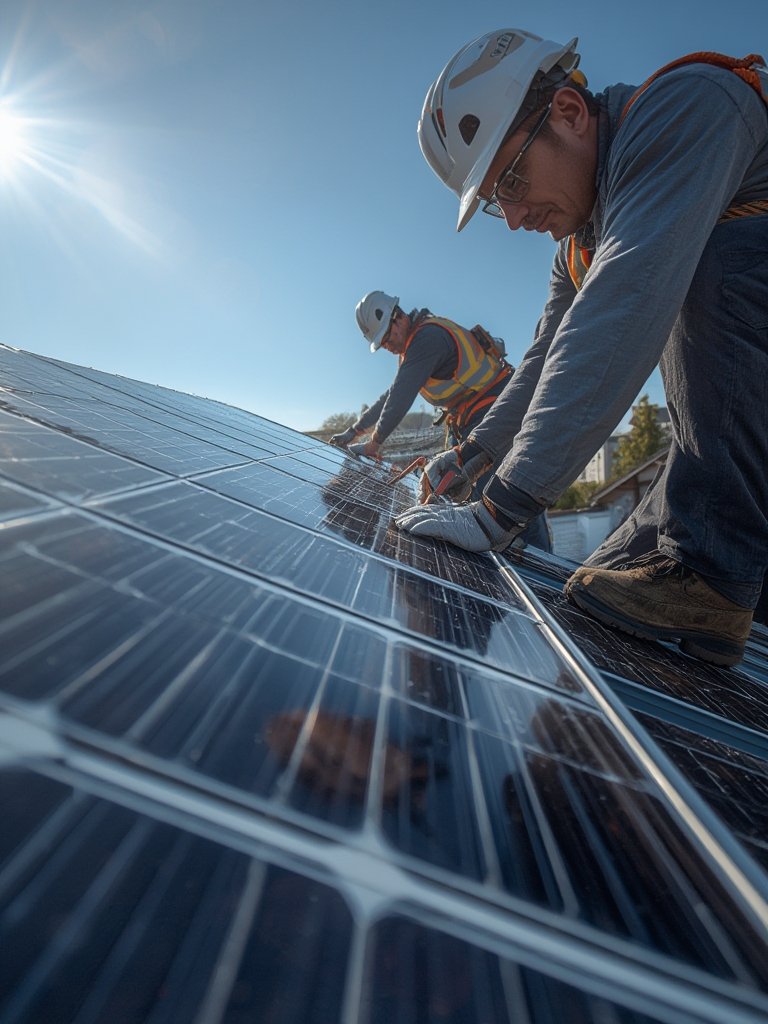
Remember: The cheapest bid isn’t always the best. Look for contractors who document their work, explain all contracts upfront, and proactively assist with incentives. Checking their reviews for after-sales support (not just first impressions) can make all the difference later.
And if you want even more ways to increase energy savings at home, check out our Heat Pump Water Heater guide—you can stack solar with other improvements for maximum returns.
Expert Analysis: Pitfalls, Financing, and Overlooked Details
Let’s drill down into real-world challenges homeowners face with solar panel installation, plus a hard look at financing numbers you must understand before signing anything.
Common Pitfalls
- Shaky Installation Costs: There’s no single price. Factors like system size, roof type, and local labor rates lead to widespread variation. As noted by SolarReviews, one major installer quoted $4.50 per watt, but averages run lower in some states. Always ask for a firm, written estimate—including all add-ons and permitting fees.
- Long Paybacks in High-Rate Regions: In areas with low electricity rates or poor net metering, “payback periods” (the time it takes to break even) can stretch to 10 years or more. Make sure your projected savings match your local rates and net metering policies, and don’t trust generic payback tables.
- Unrealistic Performance Promises: Not all homes get consistent sun year-round. Ineligible roof angles, heavy shading, or outdated wiring can lower output more than advertised.
- Post-Installation Surprises: While specific complaints are underreported, the biggest risk cited is tied to solar-specific loans. Payment increases, balloon payments after incentives, or confusion over service agreements catch many off guard.
- Missing Incentives Due to Bad Timing: State and utility rebates often expire quickly or get reduced—submit paperwork as soon as possible after contract signing.
Financing Breakdown: Which Option Saves Most?
Choosing how to pay shapes your solar ROI more than any other variable. Here’s what leading 2024 data shows for typical residential systems over 20 years:
| Financing Option | Monthly Payment | 20-Year Total Cost | After Tax Credits | Electricity Savings | Net Savings |
|---|---|---|---|---|---|
| Solar Loan (8.99% APR) | $198 | $47,520 | $39,960 | $52,500 | $12,540 |
| Solar Lease (3% escalator) | $110-150 | $30,800 | $30,800 | $52,500 | $21,700 |
| PPA ($0.11/kWh, escalates 2%) | $96-125 | $26,400 | $26,400 | $52,500 | $26,100 |
| Utility Electricity (baseline) | $175-280 | $52,500 | $52,500 | $0 | $0 |
Data adapted from solar financing comparison guide.
- Solar loans offer ownership and access to tax credits, but interest and higher monthly payments add up fast—especially with rates often over 6% in 2024 (EnergySage notes 60% of loan quotes now at 6% APR or higher).
- Leases and PPAs offer the biggest upfront savings—zero down, predictable payments—but you lose out on long-term equity value. Read escalation clauses to avoid steep price jumps over time, and note some buyers prefer to avoid homes with third-party-owned solar.
- Check if your installer offers creative options, like SunGage’s “30s Split” that lets you defer federal tax credit portions with no interest for the first year (SunGage details).
Looking for other home solution investments that won’t break the bank? Check out proven energy-saving alternatives:
Incentive Details and Common Missteps
Don’t leave money on the table: The federal tax credit covers 30% of qualified costs, but filing errors or timing issues can delay your refund or lower your eligible amount. Most state programs require pre-approval and run out early in the funding cycle.
FHA solar loans can make solar possible for homes with limited equity or imperfect credit, but have property value restrictions and exclude leased systems (more info here).
Missing paperwork deadlines or misreading complicated agreements—even from reputable installers—is one of the fastest ways to lose out on savings. Always confirm, in writing, who handles incentive paperwork and check that you receive digital or hard copies for tax time.
Conclusion: Is Solar Panel Installation Right for You?
Solar panel installation can cut energy bills, increase home value, and help you stay ahead of rising utility rates. Your total costs—and savings—depend on region, incentives, and how you finance the system. Shop carefully, double-check loan terms, and stay on top of state and federal incentives. With careful planning and attention to detail, solar panel installation can be the smartest upgrade for your home—delivering returns for decades.
Ready to explore options or get quotes? Reach out to local installers today, and start your savings journey before incentive deadlines change.
Frequently Asked Questions
How much does solar panel installation cost in 2024?
Costs depend on region, system size, and mounting style, but typical residential projects run $2.50 to $4.50 per watt before incentives. Always compare local installer quotes, ask for breakdowns, and factor in any state or utility rebates.
How long does a solar panel system take to pay for itself?
Most homeowners see payback between 7 and 12 years, depending on electricity rates, sunlight exposure, and incentive levels. In high-utility cost regions with generous rebates, payback can be faster. Always confirm ROI projections with your installer.
Are zero-down leases or PPAs better than buying solar outright?
They make solar more accessible with no upfront payment, but long-term savings may be lower compared to buying. Leases and PPAs usually come with annual payment escalators and some restrictions if you plan to sell your home. Review all contract terms before committing.
What incentives are available for residential solar in 2024?
The main incentive is a 30% federal tax credit. Many states and utilities offer additional rebates or property tax reductions—check the DSIRE database for local programs. Ask your installer for paperwork assistance.
Can I install solar panels if my roof is old or faces north?
An old roof may need repairs or replacement before solar mounting. North-facing panels usually produce less energy, but solutions exist—like ground-mounted arrays or tilt racking. Have a professional assess your property to find the best fit before proceeding.