

Ventless washer dryer units are transforming laundry rooms in apartments and homes that lack traditional dryer venting options. If you want to save space and boost efficiency, knowing the true pros, cons, and latest tech trends is essential before you buy. This guide breaks down everything you need to know—without fluff.
Key Takeaways
- Ventless washer dryer units offer energy savings and flexible installation unmatched by vented models.
- Cycle times now rival traditional sets, but users should know about space, energy, and maintenance considerations.
- Urban demand is growing fast, with smart features making these combos more attractive—but not all pitfalls are solved.
- The Core Concept: What Is a Ventless Washer Dryer and Why Choose One?
- Step-by-Step Guide: Choosing and Installing the Right Unit
- Advanced Analysis & Common Pitfalls
- Conclusion
- FAQ
The Core Concept: What Is a Ventless Washer Dryer and Why Choose One?
A ventless washer dryer is a two-in-one laundry appliance that washes and dries clothing in a single drum—no external ductwork required. Instead of pushing hot, moist air outside, it either condenses or absorbs moisture, making it perfect for apartments, condos, or any space without a dryer vent.
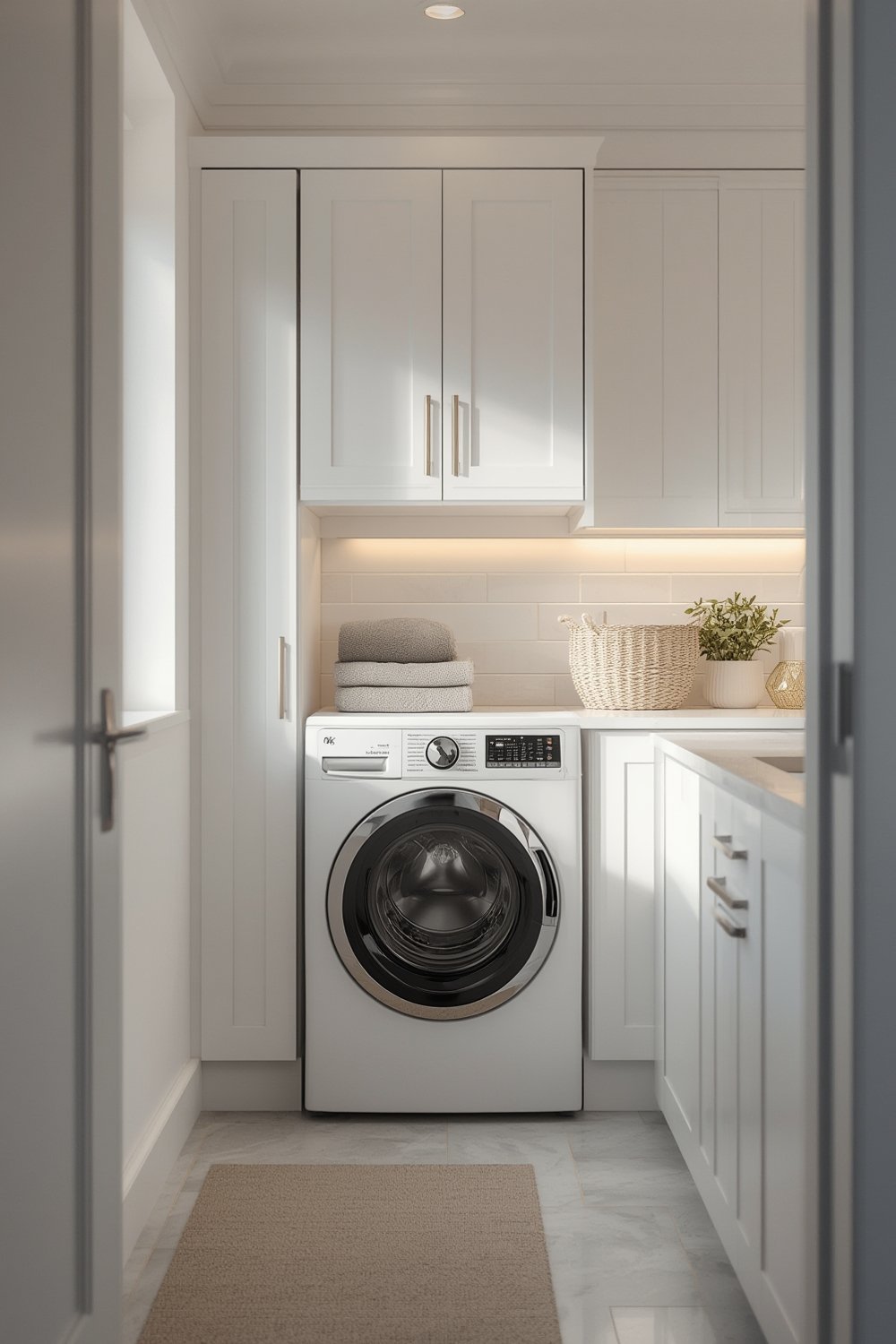
Why choose ventless? The growing demand is clear. The combined washer-dryer market in the U.S. is expanding at a rapid 9.72% CAGR—more than triple the overall laundry sector’s rate. This surge is tied to fast-paced urban development, where space is limited and California’s Title 20 energy standards encourage efficient appliances. See industry analysis.
Where do ventless washer dryers shine? Their flexibility stands out. They can be installed anywhere with a water line—bathrooms, kitchens, closets, even under counters—without the constraints of exterior venting. Upscale condos and city apartments are the prime market, but homeowners looking to add laundry to a secondary suite or basement can benefit too. For more on optimizing compact laundry setups, check out our guide on saving space with ventless washer dryer units.
With smart features now common and ventless heat pump tech rivaling traditional dryers for performance, these units deliver not just convenience but also real energy and water savings. Front-load ventless combos, for example, use less electricity and water than top-load washers, contributing to lower utility bills. Read more market data.
Step-by-Step Guide: Choosing and Installing the Right Unit
Getting the most from your new ventless washer dryer starts with making smart choices about selection, space, power, and setup. Here’s a streamlined checklist:
- Measure your available space. Account for door swing and extra room for air circulation. Most compact units fit a 24-inch wide closet or kitchen nook, but always confirm product specs.
- Check power and water access. Most ventless models run on a standard 120V or 240V electrical outlet and cold water line. It’s vital to confirm amperage requirements—refer to the manufacturer’s installation manual.
- Choose the right capacity. Typical sizes range from 2.3 to 4.5 cubic feet. Singles or couples may be fine with 2.3-2.8 cu. ft., while families or frequent launderers benefit from 4.0+ cu. ft. combos.
- Decide on technology: condenser vs. heat pump. Condenser dryers are reliable and affordable; heat pump dryers cost more but slash energy use by up to 40%. For an in-depth breakdown, read our energy savings guide for ventless units.
- Pick smart features you’ll use. Options include Wi-Fi control, automatic cycle transitions, and fabric sensors. Households looking to future-proof should prioritize ENERGY STAR ratings and DOE-compliant models.
- Confirm physical setup and drainage. Some units require that the drain hose is at a certain height. Others may need a small drip pan or platform in case of leaks.
- Follow maintenance basics. Clean the lint filter and check water inlets regularly. A quick coil cleaning every year helps keep performance high. See our maintenance and efficiency tips for more details.

Want to maximize acoustic comfort in your laundry area or bathroom? See our guide on using fluted panels to improve sound dampening—an easy upgrade for small spaces.
Finally, if water heating is a concern, learn how pairing with a heat pump water heater can cut overall water heating costs by up to 70%.
Advanced Analysis & Common Pitfalls
Ventless washer dryers are rising in popularity, but they aren’t perfect. Here’s a realistic look at their strengths, common drawbacks, and how they compare to vented machines—based on real market data and product studies:
| Category | Ventless Washer Dryer | Vented Washer/Dryer |
|---|---|---|
| Energy Efficiency | High (heat pump & condenser models use up to 40% less energy). Market data | Lower efficiency, higher heat loss and energy use. |
| Cycle Time | Now rivals vented units (historically slower, but top models match separate machines). Industry report | Traditionally fastest, especially for large, dense loads. |
| Installation | Flexible—no exterior duct, suits closet/kitchen/bathroom. Needs water drain and standard outlet. | Needs vent to exterior wall, limiting placement. |
| Price Range (2024) | $600-$2,400+ (many energy-saving units $900-$1,500). | $800-$2,000 per set. |
| Maintenance | Must clean filters and occasionally condenser coils to prevent mold and lint buildup. | Clean dryer lint filter; vent line cleaning required yearly. |
| User Complaints | Limited third-party review data; anecdotal issues include moisture buildup if not vented well, water drain errors, and longer dry times in entry-level combos. | Requires vent cleaning; can be noisy and creates negative indoor air pressure. |
| Noise | Modern units are quieter, but all-in-one cycles take longer in some cases. | Dry phase is often louder; quick but vent noise can disrupt quiet spaces. |
| Space Needs | Ideal for apartments and secondary laundry zones; fits small spaces or utility closets. | Needs laundry room with vent access. |
Common pitfalls and how to avoid them:
- Overloading reduces performance. These units are highly sensitive to load size. Small or medium batches dry best.
- Poor drain setup can cause leaks or error codes. Always test before regular use.
- Placement next to living spaces may amplify noise. Consider sound dampening enhancements—learn more about protecting floors and reducing vibrations in our washable rug guide.
- Skipping routine filter cleaning leads to odors and slow drying.
- Entry-level models may lack robust smart features or suffer longer cycles.
- Higher upfront cost for premium heat pump models; weigh this against utility savings over five years.
It’s also worth noting that, as of 2028, new U.S. energy standards will require both ventless and vented dryers to meet higher Combined Energy Factor benchmarks, pushing manufacturers to further optimize efficiency. More on energy standards.
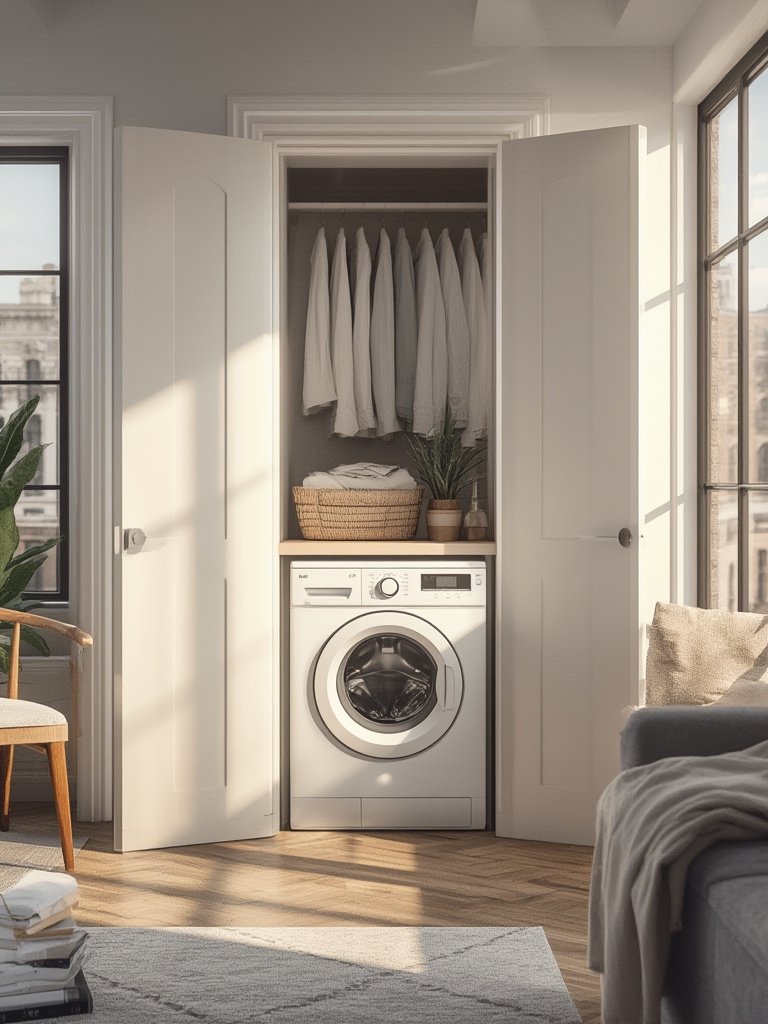
In the context of modern flooring, consider SPC flooring for waterproof, low-maintenance laundry areas—ideal for high-traffic spaces impacted by ventless unit placement.
Conclusion
Ventless washer dryer units are a practical solution for anyone seeking flexibility, efficiency, and space savings—especially in urban homes. While the technology and market are maturing, users must weigh installation, maintenance, and budget before making the leap.
Our best advice: stick with modern, ENERGY STAR-certified ventless models with smart features, and always optimize for your specific space and lifestyle. For a deeper dive into maximizing space and energy, review our proven guides on space saving with ventless washer dryers and energy efficient laundry solutions.
Ready to move forward? Explore top models and installation insights using the resources above, and see if a ventless washer dryer is truly right for your next home upgrade.
FAQ
How does a ventless washer dryer actually dry clothes?
Ventless washer dryers use a condenser or heat pump to remove moisture from air inside the drum. The moisture is either condensed and pumped out via a drain, or collected in a tank, rather than venting humid air outside.
Do ventless washer dryers take longer to dry clothes?
Earlier models often did, but modern heat pump combos can match or nearly match cycle times of regular vented dryers, especially for appropriately sized loads and lightweight fabrics.
What’s the biggest advantage of a ventless washer dryer?
The ability to install in locations without exterior ducts—closets, kitchens, and small apartments. This flexibility makes laundry feasible in spaces where it was previously impossible.
How much does a ventless washer dryer cost to run?
Most new units are highly efficient and can be 30-40% cheaper to operate than conventional vented dryers, especially if you choose a heat pump model. Actual energy cost depends on usage, load size, and utility rates.
What maintenance does a ventless washer dryer need?
Clean the lint filter regularly, check the drain for obstructions, and occasionally wipe down door seals. Annual cleaning of condenser coils and checking water inlets can also help extend your appliance’s life.