

Vertical garden wall systems are transforming homes and offices, offering air-purifying benefits, natural insulation, and a striking indoor statement—all on a space-saving footprint. Here’s a focused, clear-eyed guide on what you need to know, pitfalls to avoid, and how to build or specify a green wall that actually delivers real wellness and energy ROI.
Key Takeaways
- Vertical garden walls improve indoor air quality, support wellness, and can reduce cooling costs by up to 20%.
- Installation requires careful planning for structural load, irrigation, and ongoing maintenance, especially indoors.
- Most articles miss cost breakdowns, real-world challenges, and up-to-date US building code insights—get the facts here.
- What Is a Vertical Garden Wall and Why Choose One?
- Step-by-Step Guide to a Successful Vertical Garden Wall
- Advanced Analysis & Common Pitfalls
- Conclusion
- Frequently Asked Questions
What Is a Vertical Garden Wall and Why Choose One?
A vertical garden wall, sometimes called a living wall or green wall, is a modular system that grows plants upward—on the inside or outside of a building—rather than across the ground. Why does this matter? Unlike a few potted plants, these walls actively filter the air, absorb CO2, cool surrounding temperatures, and deliver a surprisingly strong wellness boost.
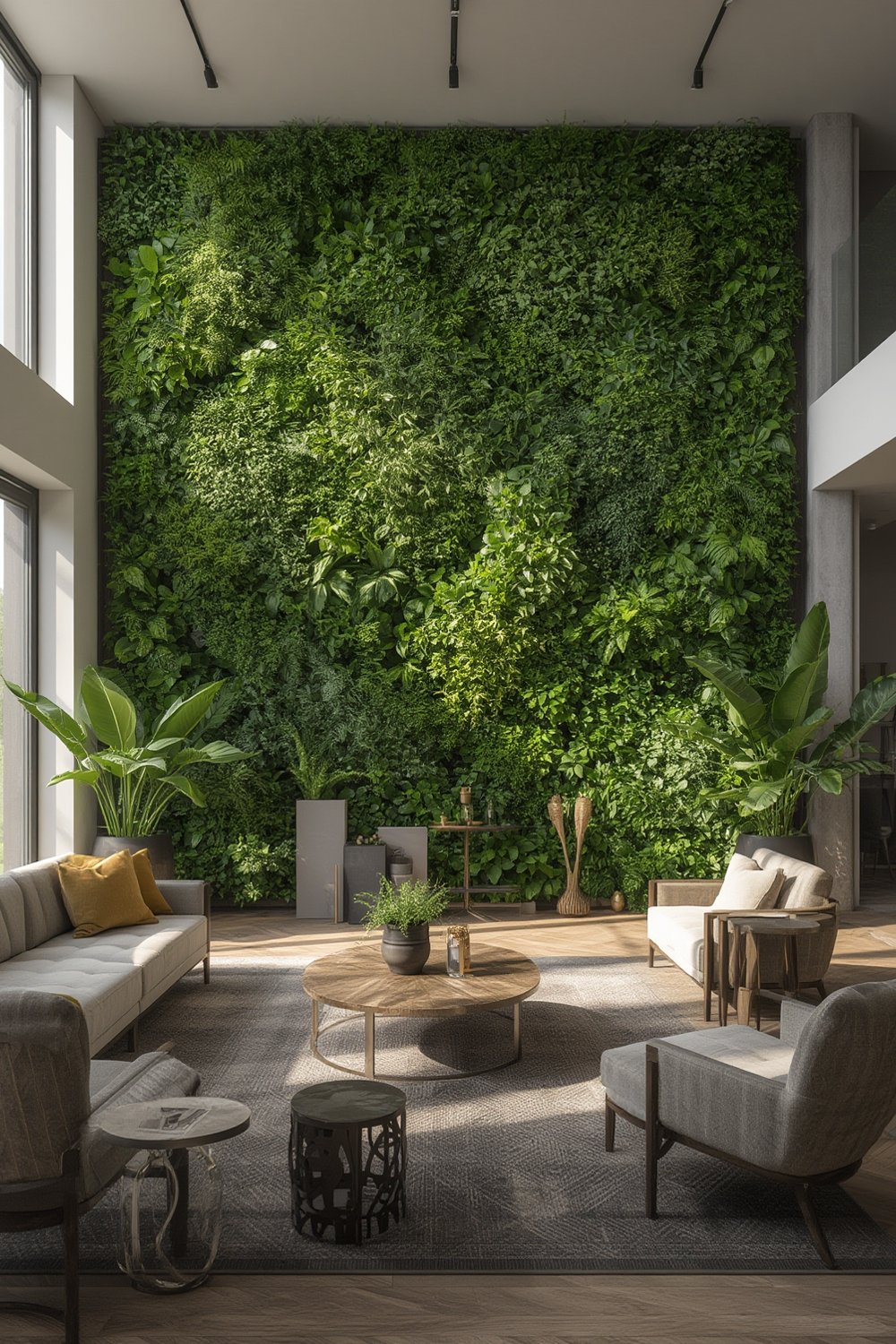
Recent studies confirm the impact. In a 2023 research project at Hebrew University, vertical green-living walls (VGWs) inside a controlled building dropped air circulation needs by 20% and cooled wall-adjacent temperatures by several degrees. Office studies have shown that, beyond air quality and humidity benefits, living walls can elevate mood (with 84% of employees feeling better), reduce stress, and boost productivity by up to 62% (see supporting data).
Besides these health and utility perks, vertical garden walls make a dramatic statement piece for your home or boardroom. But while the benefits are real, so are the design, upkeep, and cost challenges—especially indoors. Let’s look at how to approach a vertical green wall project that works long-term.
Step-by-Step Guide to a Successful Vertical Garden Wall
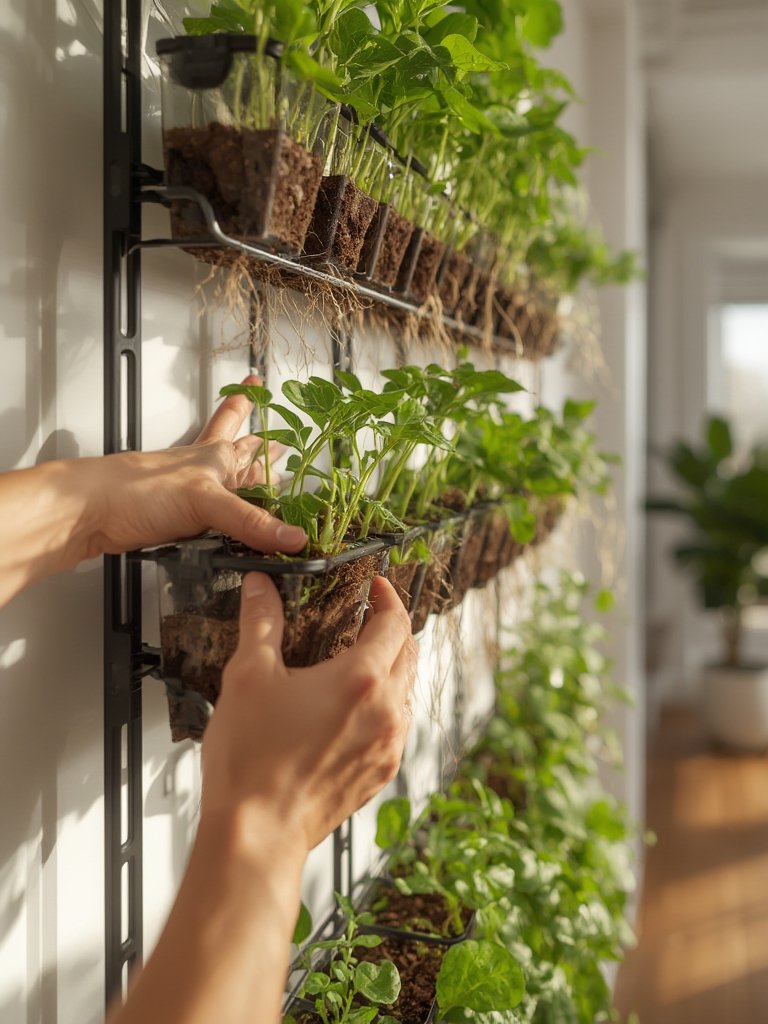
- Assess Structural Needs. Even modest green walls can weigh hundreds of pounds when irrigated. Confirm a studded or solid wall rated for added load. Consult a structural pro for exterior or multi-story installs.
- Select Your System. Modular panels, felt-based pockets, vertical planter grids, and preserved moss walls all offer pros and cons in durability and care (see comparison table below).
- Plan for Irrigation. Hydroponic and soil-based living walls usually need integrated drip or hydroponic watering with a containment tray to manage excess. Moss and some preserved systems are low to no-water.
- Pick Your Plants. Choose indoor-friendly, low-maintenance species for living systems (think pothos, philodendron, ferns, or air plants). For light-challenged spaces, consider preserved moss or artificial moss wall panels.
- Install and Test. Always secure the system, test water flow, drainage, and timers. Add a dedicated outlet for automated irrigation systems, and check for any signs of leaks.
- Establish a Maintenance Routine. Schedule checks for water quality, pH balance (especially hydroponic), dead or dying plants, and scheduled fertilizer or moss preserving treatments.
If you’re already upgrading your interior or exterior walls for insulation or acoustic performance, you might also consider pairing a green wall with fluted wall panels for extra sound dampening, or adding a heat pump water heater for overall home energy savings.
If you want to keep floors protected under your living wall, try a washable rug in the drip area. For smaller homes or apartments, ventless washer dryer units can maximize space and make wall space available for indoor greening.
Advanced Analysis & Common Pitfalls
Vertical garden wall installation is never completely “set and forget.” These are the most frequently reported pain points and challenges, along with a realistic comparison of system types:
- Irrigation Issues: Automatic watering can fail or overwater, especially if filters clog or timers break.
- Maintenance Demands: Living walls need periodic plant trim, plant replacement, and pH/water checks. Maintenance intensity is often underestimated.
- Structural Load: Water-soaked systems are heavy; walls and anchors may not be sufficient, especially on older structures or outdoors in high wind.
- Species Selection: Some plants out-compete others, leading to patchy walls. Choose mix carefully to avoid frequent replacements.
- Lack of Cost/Budget Transparency: Actual installation and maintenance costs by system type are often unclear—most sources offer only generalized market totals.
- Building Codes/Governance: Many US cities lack clear living wall codes. Always check for general building codes affecting drainage, water supply, and electrical connections.
| System Type | Durability | Upkeep | Impact on Indoor Space |
|---|---|---|---|
| Live Plant Wall (Hydroponic/Soil) | 5-10 years with care | High (watering, trimming, fertilizer) | Excellent air quality, insulation, cooling (3-5°C drop), energy savings |
| Moss Wall (Preserved) | 10+ years (indoors, dry) | Minimal (dusting, occasional re-preserving) | Visual/biophilic only; no real air filtration/cooling; low weight |
| Mixed System (Live & Moss) | Variable (depends on ratio) | Medium | Balanced wellness, lighter maintenance, moderate air quality benefit |
Early research suggests vertical green walls can cut up to 20% of air circulation demand, implying significant ROI if your HVAC is a heavy energy user (source). However, costs can accumulate—installation, waterproofing, structural reinforcement, and regular care all add up, and hard data by wall type is rarely published (see market trends).
There are few best-rated brands or “turnkey” solutions with independently verified reviews available for 2024. Choose systems with strong customer service, transparent maintenance programs, and proven technical support. For building code questions, contact your local authority or a knowledgeable contractor to verify requirements—and do not rely on outdated online guides.
Conclusion
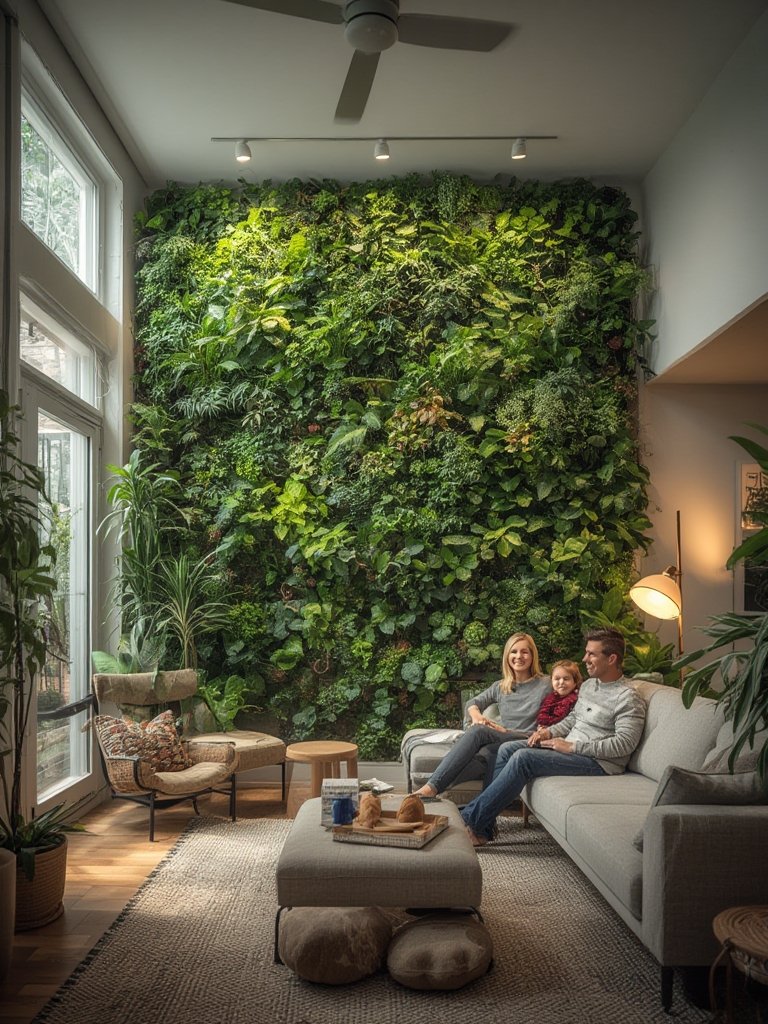
A vertical garden wall can deliver proven air quality and wellness gains, make a style statement, and even reduce your energy bills when planned and maintained correctly. But these benefits depend on smart system selection, careful installation, and honest assessment of ongoing demands. If you want a low-fuss experience, consider a moss wall or smaller modular setup. For maximum environmental payoff, invest in a full living wall system—with a recurring care plan and honest budget. Ready to transform your space? Carefully weigh the tradeoffs, get professional advice if needed, and join the indoor greening movement today.
Frequently Asked Questions
How much does a vertical garden wall cost in 2024?
There is no precise cost breakdown by system due to market variability. Expect ranges from $100 to $250 per square foot for live wall systems, including irrigation and plants. Moss and modular systems may run lower, but can still require strong backing and installation. Always ask for a detailed quote and factor in ongoing maintenance.
Are permits or codes required for indoor vertical garden walls?
Most US cities lack vertical garden–specific codes as of 2024. However, you must comply with general plumbing, structural, and electrical codes for water/electric integration. Always confirm with a building professional or code officer before beginning work.
What type of vertical garden wall system is lowest maintenance?
Preserved moss wall systems are lowest upkeep: no watering, limited cleaning, and highly durable indoors. Live plant walls require regular irrigation and plant care, but offer greater air-purification benefits.
What are the biggest pitfalls in living wall installation?
Common issues include leaks from faulty irrigation, rotting due to poor drainage, structural overloading, and pest infestations. Choose a system designed for your space and follow a maintenance plan from the outset.
Do vertical garden walls really help with energy savings?
Research indicates up to a 20% reduction in air circulation needs—translating to lower HVAC costs—when using live plant vertical walls. Results vary by system size, plant choice, and insulation quality.