

Deep soaking tub upgrades are reshaping bathroom renovations in 2024, combining luxury with advanced technology for a truly immersive soak. Whether you crave full-body relaxation or a spa-like escape at home, choosing the right soaking tub is a surprisingly strategic decision—and getting it wrong can mean wasted money, awkward installations, or high water bills.
Key Takeaways
- The global deep soaking tub market is booming, with smart features, sustainability, and customizable luxury leading 2024 trends.
- Most tubs require significant space and water usage—install with care, especially in compact bathrooms.
- High upfront costs for premium tubs can pay off in comfort and potential home value, but ROI data is limited and depends on execution.
- What Is a Deep Soaking Tub and Why Are They So Popular?
- How to Choose and Install a Deep Soaking Tub: Step-by-Step Guide
- Advanced Analysis: Pitfalls, Real Costs, and Smart Shortcuts
- Conclusion
- Frequently Asked Questions
What Is a Deep Soaking Tub and Why Are They So Popular?
Deep soaking tubs are engineered for one purpose—maximum submersion and relaxation. Unlike standard bathtubs that barely cover your legs, a deep soaking tub offers an intense, spa-like immersion. These tubs are typically 70–100 gallons in volume, providing full-body comfort, hydrotherapy, and ergonomic support. Popular variations include freestanding, alcove, and Japanese ofuro-style models.
Why are they trending in 2024? The global bathtub market is projected to reach up to US$21.06 billion by 2035, with soaking tubs fueling much of this growth. Key drivers:
- Desire for immersive, wellness-focused bathroom experiences
- Smart tech integrations: digital controls, temperature maintenance, and chromotherapy
- Sustainable, water-efficient features
- Luxe customization and premium materials
- Accessibility and aging-in-place considerations
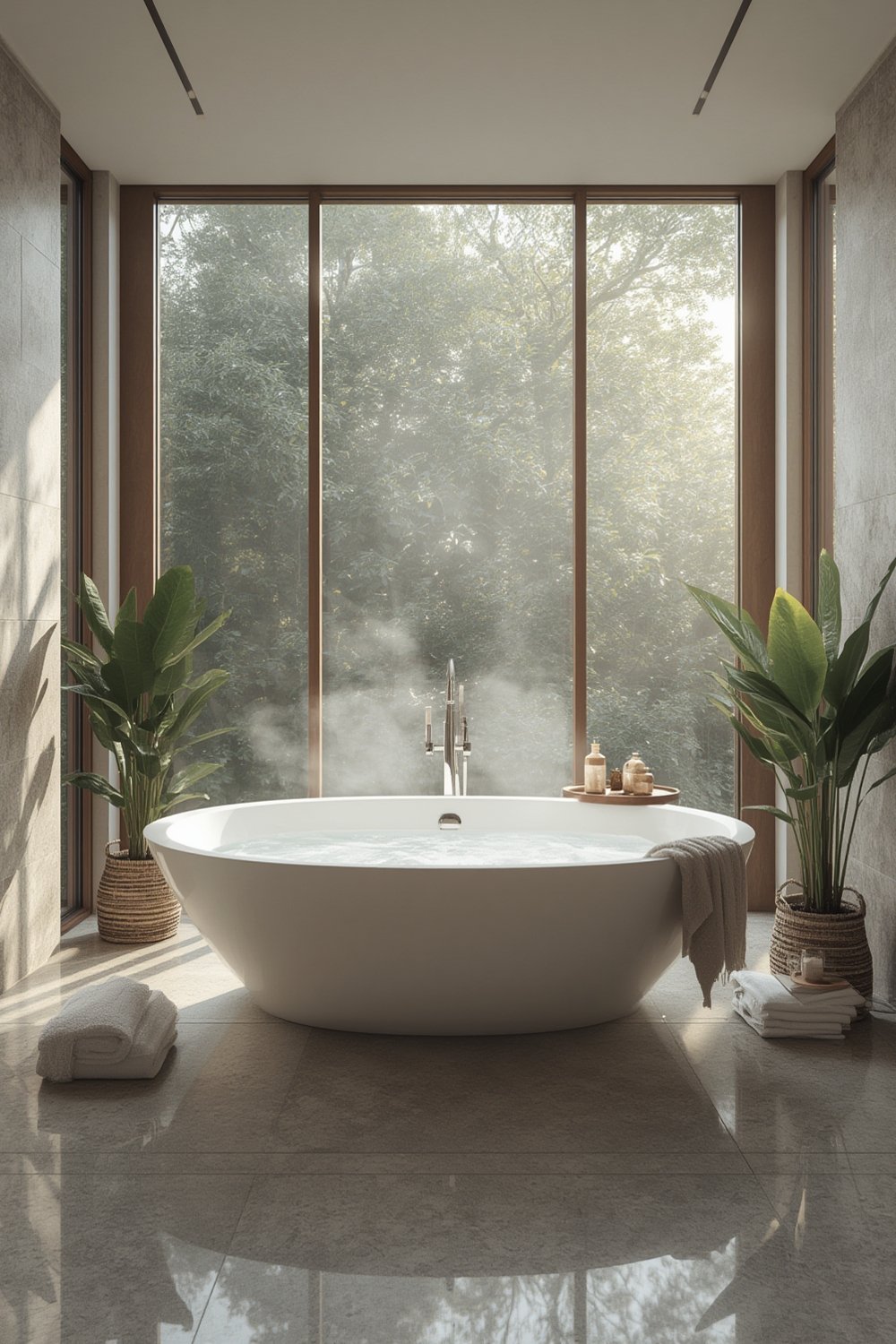
Brands like Kohler and TOTO drive innovation using acrylic, cast iron, and stone composites. Freestanding and rectangular models work well in both large and compact bathroom layouts, with alcove tubs favored for space efficiency.
How to Choose and Install a Deep Soaking Tub: Step-by-Step Guide
-
Decide on Size and Type: Measure your bathroom carefully.
- Deep soaking tubs: 70–100 gallons water capacity.
- Freestanding options: need more open floor space, typically 60–80 gallons.
- Alcove or rectangular tubs: maximize compact room efficiency and hold 45.7% of market share.
Consider awkward corners and doorways—some homes require partial wall removal or split-tub deliveries for large units.
- Check Structural Support: Filled deep soaking tubs can weigh over 700 pounds with water and a person inside. Consult a contractor to confirm your floor’s load limits, especially for upper stories.
-
Choose Material:
- Acrylic: Affordable and easy to clean, but may scratch.
- Cast iron: Durable and excellent at retaining heat. Heavy—install requires beefed-up support.
- Stone/composite: Ultimate luxury and heat retention, but considerably higher cost (upwards of $5,000).
- Select Smart and Sustainable Features: Digital temperature controls, water-efficient fill, or even aromatherapy/lighting can boost everyday enjoyment and adapt to aging-in-place needs.
-
Professional Installation:
- Plumbing adaptation (large drain/water supply), structural work, and finishing can affect your budget and bathroom downtime. Factor two to five days for standard projects, longer for complex retrofits.
- Plan for Water Heating Efficiency: High-capacity tubs demand robust hot water systems. Modern heat pump water heater units can boost energy savings while meeting high fill requirements.
- Maintenance Routine: Commit to a simple cleaning regimen, checking for mineral buildup, surface scratches, and checking digital systems if equipped.
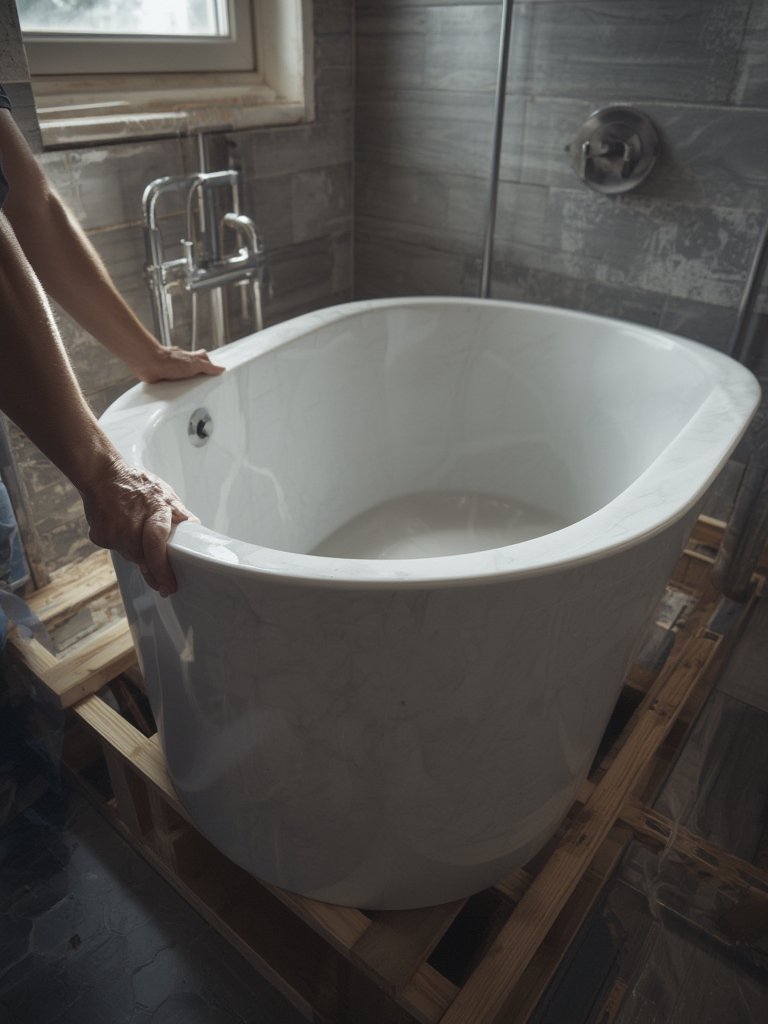
Seeking additional ways to save space or boost utility in your renovation? Consider a ventless washer dryer or even fluted panels for acoustics in small bathrooms. Practical upgrades like these can increase functionality without enlarging your footprint.
Advanced Analysis: Pitfalls, Real Costs, and Smart Shortcuts
Despite their appeal, deep soaking tubs are not a one-size-fits-all solution. Here’s a realistic breakdown of common pitfalls:
- Water Usage and Energy Bills: Full soaks can use up to 100 gallons—twice your typical bath. If you’re on a metered supply or concerned about eco-friendliness, factor in usage and heating impact. See tips on water efficiency here.
- Installation Surprises: Freestanding tubs look stunning in photos, but can be tough to install in small spaces. Plumbing may require rerouting, and improper subfloor support can lead to cracks or leaks. Alcove models are more forgiving in compact layouts.
- Maintenance Complexity: Stone and composite tubs require specialty cleaners. Smart tubs demand regular software/firmware checks. Skipping scheduled care leads to water stains or malfunctioning tech.
- Limited Market ROI Data: While bathrooms drive property value, there’s no concrete resale premium tied to deep soaking tubs. The value is mostly experiential unless your market expects luxury features.
- Common Sizing and Access Errors: Tubs larger than 60 inches sometimes won’t fit through doorways or up staircases. Delivery can involve extra labor costs for partial disassembly or temporary wall removal.
| Tub Type | Average Water Capacity | Best For | Challenges |
|---|---|---|---|
| Deep Soaking (standard/freestanding) | 70–100 gallons | Immersive, spa-like relaxation | High water use, floor support, lengthy fill times |
| Japanese (Ofuro-style) | Variable (usually compact, extra-deep) | Small spaces, upright soaking | Limited in the U.S., pricey imports |
| Alcove Deep Tub | 55–75 gallons | Space savings, renovations | Limited design options |
Want longer baths without energy guilt? Investigate energy-saving appliances and try a heat pump water heater for efficient, plentiful hot water supply.
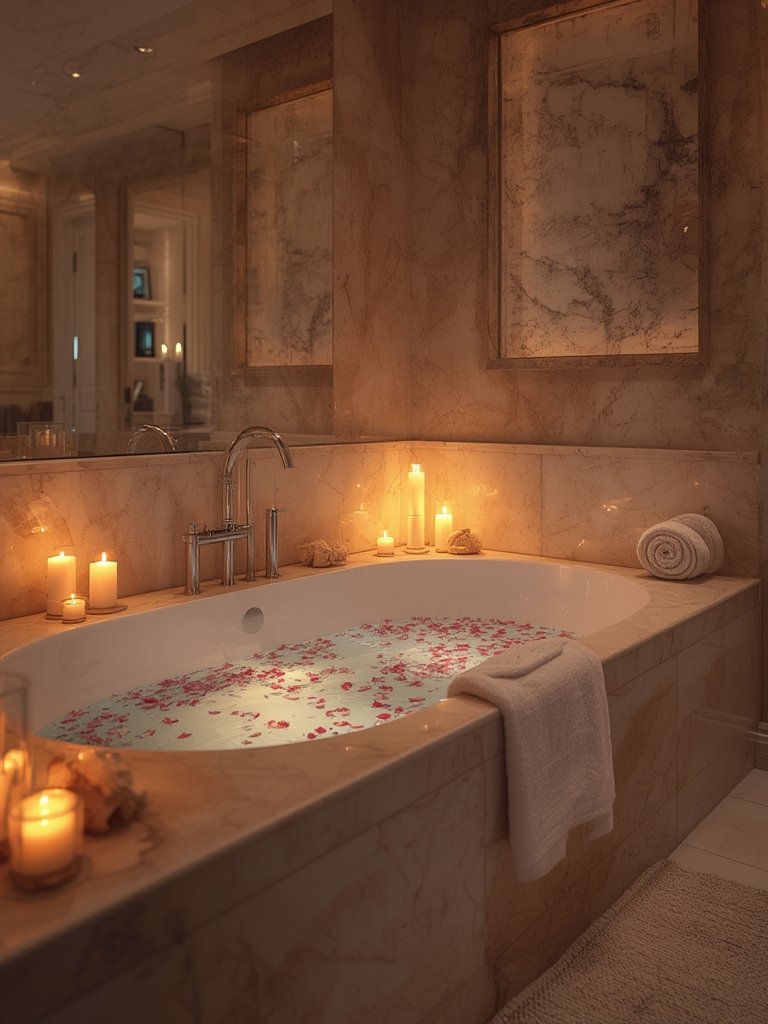
For floor and splash protection, pairing a washable rug is a smart move under and around any soaking tub. Multi-layered flooring like SPC flooring offers extra durability and moisture resistance.
Conclusion
Deep soaking tubs offer unmatched luxurious comfort, advanced home spa technology, and a potential edge in future resale appeal. But the ideal deep soaking tub is about careful planning, budget realism, and maintenance habits. If you prioritize wellness and want a strong value-add for your home, a quality deep soaking tub can be a sound investment. Ready to transform your bathroom into your own wellness retreat? Explore your options, measure twice, and let the perfect soak begin.
Frequently Asked Questions
How much space do I need for a deep soaking tub?
Most deep soaking tubs require at least 60 by 30 inches of floor space, but always check the manufacturer’s specifications. For freestanding models, allow extra room around the tub for comfortable access and cleaning.
Are deep soaking tubs hard to maintain?
Maintenance depends on the material. Acrylic and cast iron tubs are generally easy to clean with non-abrasive products. Stone and composite tubs need specialty cleaners. Digital/smart features may require occasional software updates.
Will a deep soaking tub increase my home’s value?
Many renovators report improved comfort and perceived home value, but there’s no guaranteed ROI. Value is highest in luxury-focused markets or where buyers prioritize spa-like bathrooms.
Can I install a deep soaking tub in a small bathroom?
Yes, but choose an alcove or compact Japanese-style tub for best results. Use wall-mounted faucets and consider door/frame clearances before ordering large models.
What are the best eco-friendly options for soaking tubs?
Look for tubs marketed as water-efficient or constructed from recycled materials. Integrate a modern, efficient water heater to cut overall energy use. Smart tubs with fill-limit settings can help reduce waste.