

Outdoor wellness space design is transforming how homeowners use their backyards, turning them into functional retreats that support relaxation, fitness, and mental clarity. From zen gardens to outdoor yoga studios and spa-inspired features, the movement isn’t just about aesthetics—it’s about creating a sanctuary just outside your door.
Key Takeaways
- Outdoor wellness spaces are a leading trend in 2024 for health-focused backyard transformation, with growing attention to plant life, multi-use layouts, and spa amenities.
- Challenges—including privacy, weatherproofing, maintenance, and accessibility—require realistic planning and can affect long-term enjoyment and value.
- Incorporating eco-friendly materials and future-ready features, like weatherproof tech and accessible designs, boosts both sustainability and property appeal.
- What Is An Outdoor Wellness Space And Why It Matters
- How To Create Your Own Outdoor Wellness Space: Step-by-Step
- Advanced Analysis & Common Pitfalls
- Conclusion
- FAQ
What Is An Outdoor Wellness Space And Why It Matters
An outdoor wellness space is a dedicated area in your backyard designed to support physical, mental, and emotional wellbeing. This can include fitness zones, meditation gardens, spaces for outdoor yoga, water features, comfortable seating, saunas, or hot tubs, or cold tubs. In 2024, many homeowners are prioritizing these backyard sanctuaries as a response to increased stress and a desire to reconnect with nature.
Recent trends show a big surge in residential interest for features typically found in high-end spas—think string lights for atmosphere, lush greenery for privacy, sound systems, and nature-inspired design themes. Homeowners are reshaping their outdoor areas to be peaceful escapes, influenced by the global wellness industry’s $651 billion market value (Global Wellness Institute).
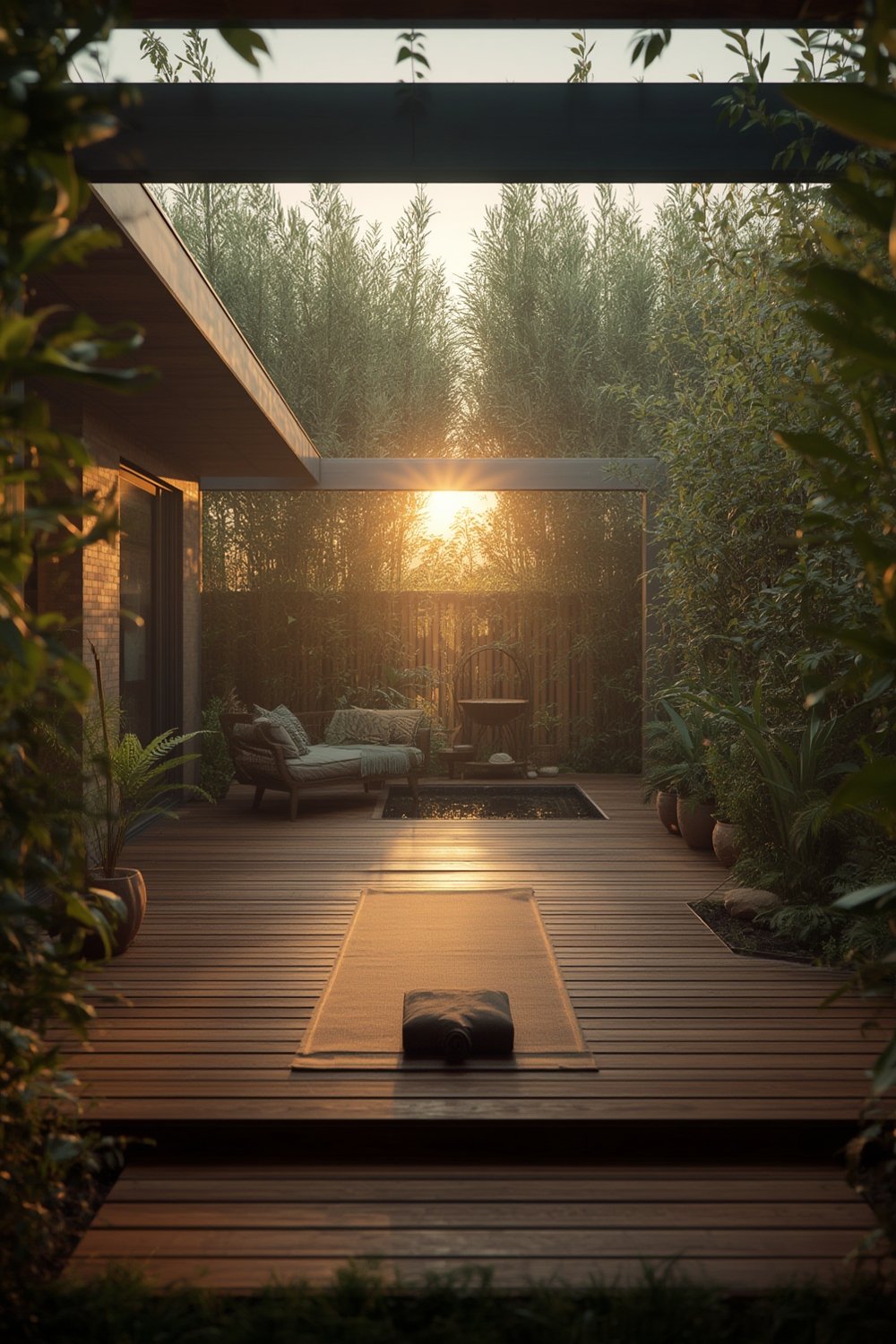
The core concept goes beyond beauty—it’s about making health and relaxation part of daily living. A thoughtfully planned outdoor wellness zone fosters self-care habits, offers a retreat from digital overload, and increases your home’s intrinsic value. This shift is especially pronounced as people seek ways to improve both their lifestyles and their properties (Michael Phelps Swim Spa).
How To Create Your Own Outdoor Wellness Space: Step-by-Step
Building an outdoor wellness space might seem overwhelming, but a clear process makes it manageable—even for small yards or tight budgets. Here’s a detailed roadmap:
-
Clarify Purpose and Priorities
- Decide the main function: yoga, meditation, outdoor spa, exercise, or a combination.
- Think about potential users: Are you planning for solo use, group settings, children, or guests?
-
Assess Your Backyard Conditions
- Measure available space—use a tape measure and sketch your yard to identify potential zones.
- Check sun/shade patterns to optimize location for your wellness activities.
- Review privacy—does your yard need screening or fencing?
-
Choose Core Features
- Wellness garden with native plants and water features.
- Outdoor yoga/meditation deck, barely raised or ground-level for accessibility.
- Hot tub, cold plunge tub, sauna (as space and rules allow).
- Weatherproof audio speakers for ambient sound. [Tip: You can improve audio privacy with fluted panels in adjacent walls.]
-
Select Materials With Care
- Opt for eco-friendly materials like sustainably sourced wood, permeable pavers, recycled composites, or solar lighting.
- Prioritize slip-resistant surfaces and durable seating to reduce maintenance and extend lifespan. Area rugs help protect decks (washable rugs recommended outdoors).
-
Plan Technical Integration
- Evaluate needs for water access (spas, irrigation), drainage (especially for fitness or yoga decks), and electricity (lighting, sound, saunas).
- Consider adding weatherproof covers or pergolas for all-season use—with the right material you’ll also extend durability (SPC flooring resists water and wear).
-
Incorporate Comfort and Accessibility
- Non-slip walkways and gentle ramps for users with mobility issues.
- Shaded zones for sun protection, heaters for cool nights.
-
Design For Flexibility
- Plan spaces to adapt to different functions—moveable seating, rolling planters, or retractable shade coverings allow quick changes for meditation, group fitness, or social gatherings.
-
Prepare for Maintenance and Upkeep
- Opt for drought-tolerant landscaping or low-upkeep native plants.
- Choose materials that are easy to clean and resist outdoor wear and tear.
- Install quality drainage to prevent pooling or mud in fitness/meditation spaces.
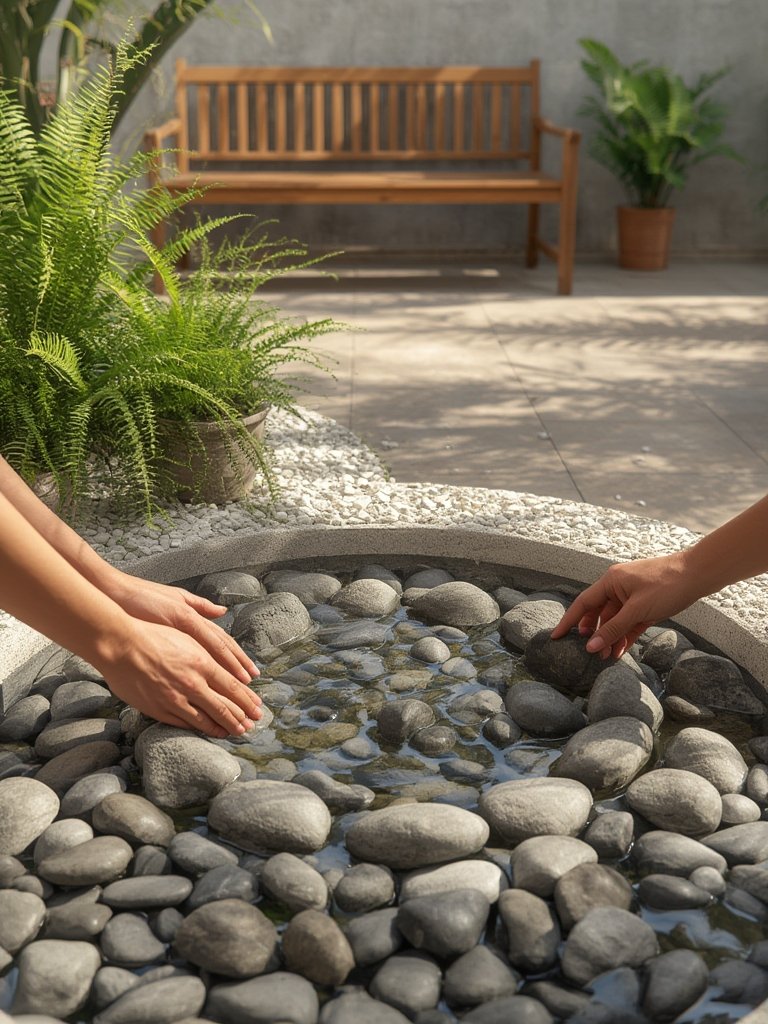
Remember, you don’t need a large yard or high-end budget. Focus on a single element—like a meditation bench with a green screen, or an outdoor shower—then grow the space organically as your needs change. Top up your comfort by adding washable outdoor rugs (protect your deck), all-weather furniture, and eco-friendly lighting.
For multi-season use, explore ventless washer dryer units for easy cleanup after outdoor workouts, even in compact garden sheds (space-saving laundry tips).
Advanced Analysis & Common Pitfalls
No project is foolproof—let’s break down common mistakes and overlooked details that can undermine the benefits of an outdoor wellness space.
1. Underestimating Maintenance
Natural wood decks, dense planting, or water features create extra maintenance needs—plan for seasonal cleaning, pest prevention, and slip hazards after rain.
2. Skipping Privacy Solutions
Open yards might feel exposed if you overlook privacy screening. Fast-growing greenery offers natural screening, while modular partitions or even acoustic panels (sound dampening options) boost tranquility.
3. Ignoring Weatherproofing and Durability
Some furnishings deteriorate quickly outdoors. Use UV-resistant, waterproof, or washable options. Protect electronics and lighting with outdoor-rated coverings.
4. Overlooking Proper Drainage and Surface Design
Poor drainage can create muddy patches or even structural damage under heavy planters, saunas, or decks. Always slope surfaces slightly away from home foundations and verify water flow patterns before installation.
| Feature | Common Mistake | Potential Solution |
|---|---|---|
| Sauna/Cabin Installation | No check for zoning or setbacks | Confirm with local permits office and use prefabricated models designed for outdoor codes |
| Meditation/Yoga Deck | Hard, uneven, or slippery surfaces | Install slip-resistant decks, add washable outdoor rugs, and use SPC flooring for maximum durability |
| Planting | Selecting high-maintenance or invasive species | Prioritize native, drought-resistant plants for low upkeep |
| Multi-Use Layout | Poor adaptability for varied activities | Include moveable seating, flexible fixtures, and easy-access storage |
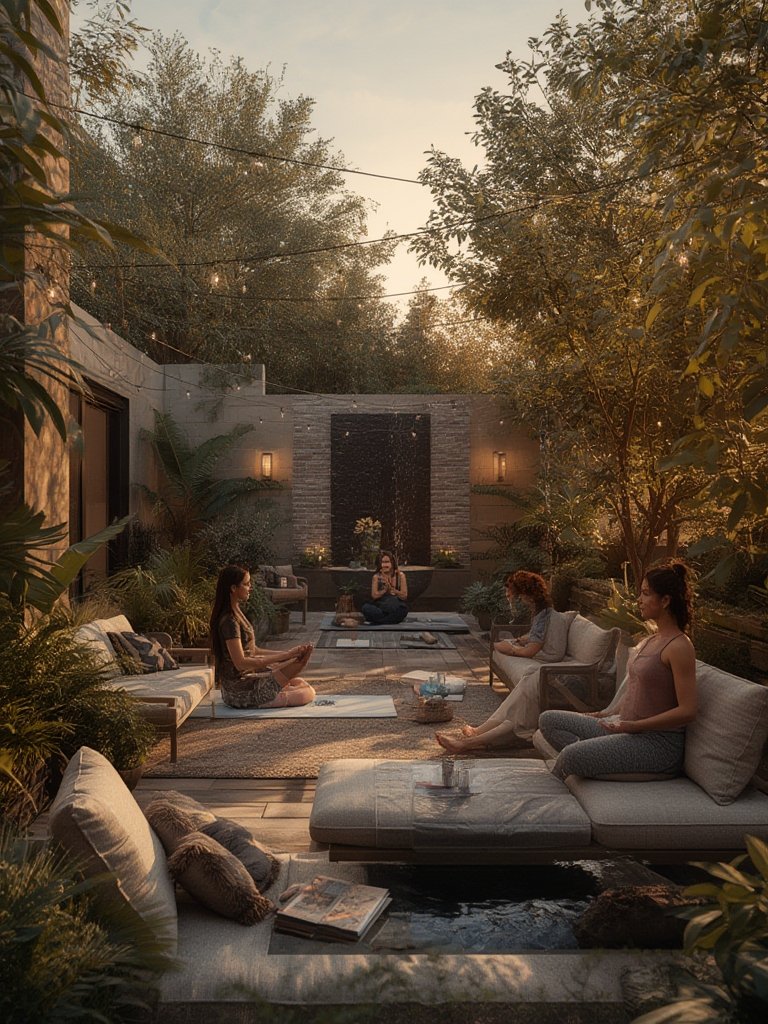
5. Neglecting Accessibility
Steps, uneven paths, or narrow entryways limit use by people with mobility challenges. Integrated ramps, wider pathways, and handrails enhance inclusion (read more on accessibility trends).
6. Missing Out on Eco-Friendly Advantages
Focusing only on looks can waste an opportunity to use recycled composites, solar panels, or water-wise plants. Green choices lower energy bills and support long-term sustainability. Consider high-efficiency water heating options (HPWH installation guide).
Conclusion
Outdoor wellness space design is reshaping modern backyards into daily retreats that support health, fitness, and peace of mind. When you plan with realistic goals—prioritizing privacy, durability, accessibility, and future flexibility—you maximize benefits and avoid the most common pitfalls.
Start with a single feature, gradually expand, and use sustainable materials at every stage. By treating your outdoor wellness space as an evolving project, you create a sanctuary you’ll enjoy for years. Take the first step—design your zone for calm and see how your lifestyle changes.
Ready to create your own outdoor wellness haven? Review our step-by-step guide above, and check out these resources for durability, energy savings, and maintenance hacks.
FAQ
What is the most important first step in designing an outdoor wellness space?
Clarify your primary goals—decide whether your space will focus on fitness, meditation, relaxation, or a mix of uses. Knowing your purpose guides the rest of the project and helps avoid wasted investment.
How do I make an outdoor wellness area accessible for everyone?
Use gentle ramps, wide pathways, slip-resistant surfaces, and barrier-free entry points to allow safe and comfortable access for people of all abilities.
What materials are best for durable, eco-friendly outdoor wellness features?
Choose sustainably sourced wood, recycled plastic composites, permeable pavers, and solar-powered lighting. SPC flooring is excellent for all-weather durability, while washable rugs simplify cleaning.
Do I need a permit to install an outdoor sauna or cabana?
Permit requirements vary by city and state. Always check local zoning codes and HOA rules before installing permanent structures like saunas, sheds, or large decks.
How can I protect sound privacy in my backyard wellness area?
Use dense plantings, privacy screens, and acoustic dampening panels (like fluted wall panels) to reduce noise and create a peaceful atmosphere.