

ADU construction is reshaping how homeowners maximize property value, earn steady rental income, and build for multigenerational or flexible living—all with practical investment returns and real-world challenges you need to know about.
Key Takeaways
- ADU construction can increase property value by 20–35% and deliver 8–12% annual rental ROI, but costs and timelines vary greatly by type and city.
- Homeowners commonly face permitting delays, cost overruns, and builder selection confusion—even as many guides skip these topics.
- Careful planning, realistic budgeting, and the right builder are crucial for maximizing returns while avoiding technical or legal pitfalls.
- What Is ADU Construction and Why Does It Matter?
- Step-by-Step Guide to ADU Construction (2024 Edition)
- Advanced Analysis & Common Pitfalls in ADU Construction
- Conclusion
- FAQ
What Is ADU Construction and Why Does It Matter?
ADU construction means building an Accessory Dwelling Unit on your property—whether that’s a detached backyard cottage, attached granny flat, converting a garage, or internal apartment. These units give homeowners flexible space for rental income, family, or even a home office. As of 2024, adding an ADU can boost your property’s appraised value by 20–35%—in California, that often means a $300,000+ increase compared to nearby homes without an ADU.
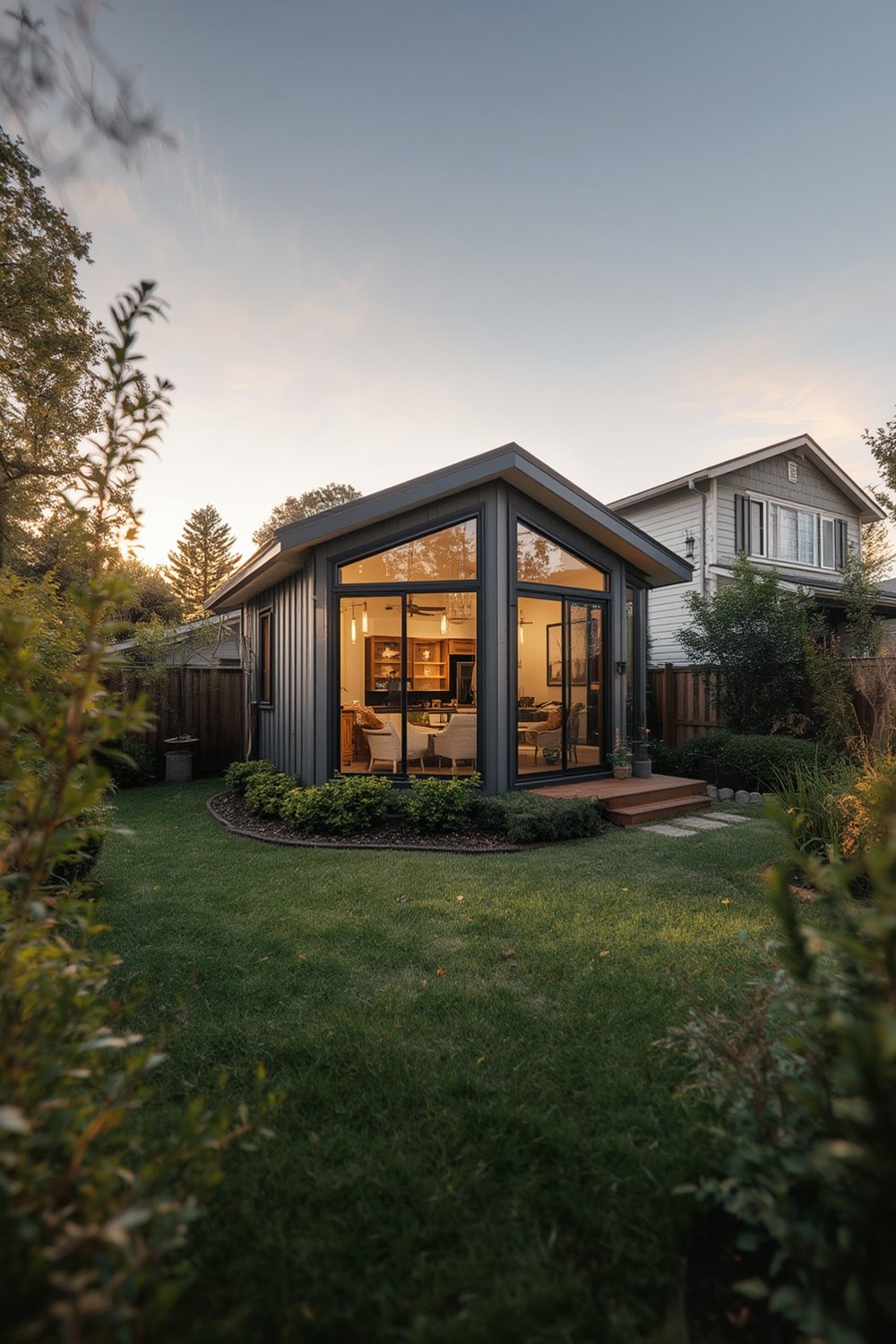
Beyond home value, ADU construction can add $1,200–$4,000 per month in rental income depending on location and type. Even modest investments (like converting a garage) typically see a 35–55% ROI, while more ambitious builds (like detached cottages) can reach up to 55%. The growing demand for rentals, backyard offices, and in-law units makes ADUs a realistic way to improve both immediate cash flow and long-term value.
Step-by-Step Guide to ADU Construction (2024 Edition)
If you want results from your ADU project, skip the hype and use this straightforward process. Each step applies whether you’re building a granny flat in Los Angeles, converting a garage in Sacramento, or adding a backyard office in Orange County.
-
Assess Your Property and ADU Goals
Define what you need—a rental, a family suite, or a home office. Check setbacks, lot size, and utilities. Gather info from local ordinance websites or your city’s planning office. -
Research and Select an ADU Builder
Interview at least three licensed contractors. Ask about in-house permitting, city experience, timeline guarantees, and examples of similar projects. Be wary if they cannot quote recent projects or break down costs for design, permits, and utilities. -
Finalize Financing and Apply for Permits
Financing can include cash-out refinance, home equity loans, renovation loans, or green energy incentives (e.g., 30% solar tax credit for ADUs in Florida[source]). Some areas offer reduced or exempted permitting fees for certain projects. Save time by having your builder manage applications. -
Design and Optimize for Space & Function
Work with an architect or designer familiar with ADU code and best fit for your property. Popular options include detached cottages (highest rent/investment), internal conversions, or space-saving laundry solutions. -
Construct, Hook Up Utilities, and Pass Inspections
Expect construction to take 4–12 months. Plan for infrastructure: water, sewer, electrical, possibly solar. Internal conversions or garage upgrades are usually less disruptive and cheapest ($80K–$200K), while detached units climb to $450K+ in premium markets. -
Furnish, List, or Move In
Once done, choose your strategy: rent for monthly income, set up a home office studio, or provide housing for family members.
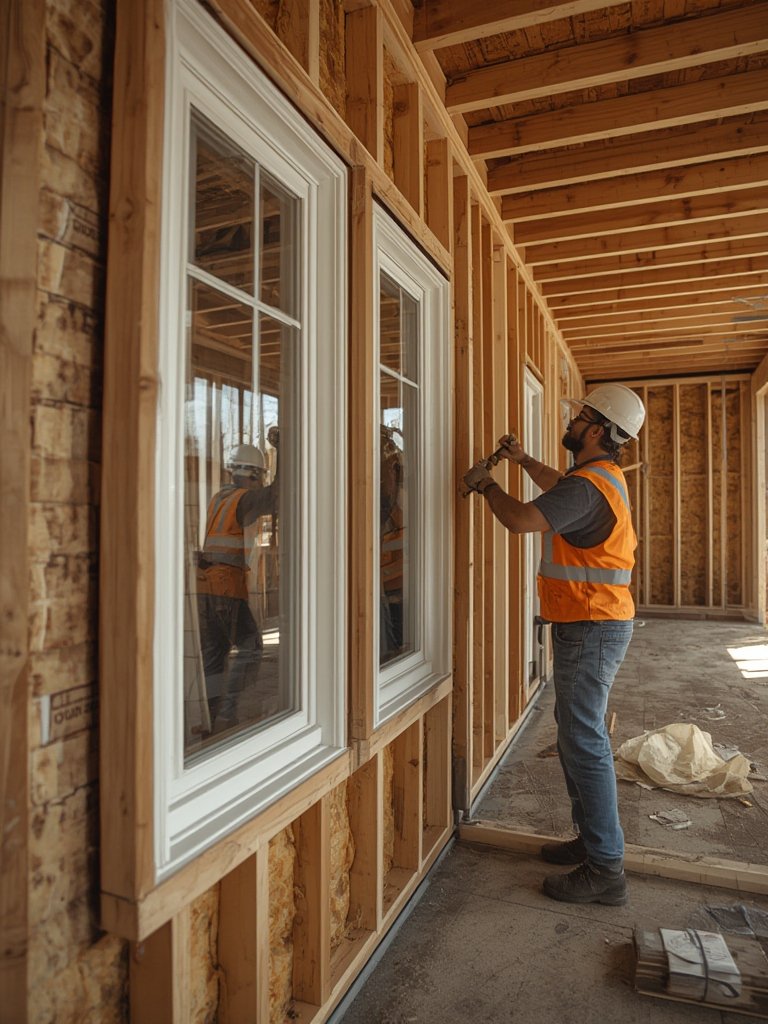
Key tip: Budget realistically for hidden costs—site prep, utility connection fees, and finish work can add $20K–$50K quickly. Modular ADUs may cut timeframe but can face their own permitting bottlenecks.
For more on keeping costs down with durable finishes, explore strategies like SPC flooring over traditional carpet or laminate. Maintenance matters for long-term saving.
Advanced Analysis & Common Pitfalls in ADU Construction
Even with rising popularity, ADU construction brings real challenges:
- Permitting and Zoning Delays: Homeowners frequently encounter permitting slowdowns. Requirements and wait times vary by city—Los Angeles and Bay Area projects can wait months for approval unless your builder handles it in-house.
Source - Cost Overruns: Few contractors quote total costs up front. Design, utilities, site prep, permits, and city fees add up—see typical ranges below.
- Financing Gaps: Lenders may require detailed drawings, city approval, or a high credit score. Not all banks are up-to-date on ADU-friendly products.
- Technical Setbacks: Connecting an ADU to main utilities often proves costlier than projected, especially for detached units in older neighborhoods.
- Maintenance Realities: Non-rental ADUs (like backyard offices or studios) get little attention in cost breakdowns, meaning no clear guidance on ongoing upkeep, HOA issues, or insurance.
Here’s a quick comparison table breaking out core differences by ADU type, based on latest data:
| ADU Type | Build Complexity / Cost | Usability (Rental Income) | Long-Term Value (ROI / Payback) |
|---|---|---|---|
| Detached (Backyard Cottage) | High ($300K–$450K+) | High ($2,500–$4,000/mo) | 40–55% ROI, 6–10 years |
| Attached (Granny Flat) | Medium ($150K–$300K) | Medium to High ($1,800–$2,800/mo) | 35–45% ROI, 5–8 years |
| Internal / Conversion | Low ($100K–$200K) | Medium ($1,500–$2,500/mo) | 40–60% ROI, 4–7 years |
| Garage Conversion | Low ($80K–$200K) | Medium ($1,500–$2,500/mo) | 35–55% ROI, 3–6 years |
| JADU | Lowest ($60K–$150K) | Low ($1,200–$2,000/mo) | 30–50% ROI, 2–5 years (up to 80% ROI possible) |
| Backyard Office Studio | Not specified (assumed low, no rental data) | Non-rental use | Limited data |
Source: See updated cost and comparison data here.
If your goal is floor protection during interior conversions, investigate options like washable rugs or sound dampening using fluted panels—these practical upgrades can increase comfort and reduce future maintenance.
Cost and timeline breakdowns by city:
- Los Angeles: $130K–$400K for most units, garage conversions at the low end
- Orange County: $188K–$563K overall range
- Sacramento: $150K–$450K
- Central Valley: $128K–$383K
Internal conversions: 3–7 years for ROI payback; detached units: 6–10 years. Design and permitting breakouts often missing from quotes, so budget conservatively.
Conclusion
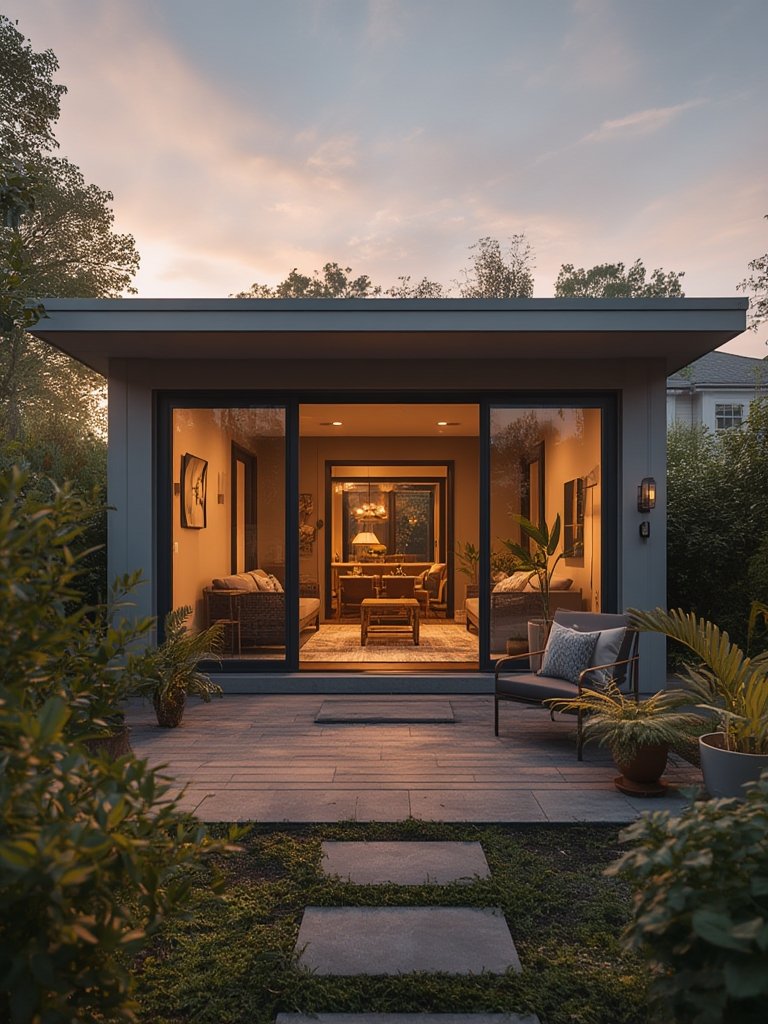
Building an ADU can be one of the most rewarding moves for property owners in 2024—if it’s done right. The value boost, rental cash flow, and flexibility are real. Yet the process is often more complex than online guides suggest. Focus on the steps that matter: builder selection, realistic budgeting, and understanding local regulations and hidden costs. If you’re serious about ADU construction, start with research and bring in qualified pros early to maximize your outcome—and avoid the classic pitfalls.
Ready to take the next step? Connect with an expert ADU builder in your area and begin planning your optimal unit today.
FAQ
How much value does an ADU add to my home?
In markets like California, a well-built ADU can add 20–35% to your total property value. This often translates to a $300,000 or more increase in median appraised value compared to similar homes without an ADU. See source.
What are the most common delays or problems with ADU construction?
Permitting slowdowns and unclear local zoning rules top the list, followed by underbudgeting for utility hookups and changing city fees. Choosing a builder with solid in-house permitting experience can help avoid major headaches.
How much does it cost to build an ADU in 2024?
Costs range from $60K–$150K for internal or JADU conversions, up to $450K+ for high-end detached units. Local factors, site prep, finish quality, and utility upgrades can push numbers higher.
Which ADU type delivers the fastest payback?
JADUs and garage conversions generally offer the quickest ROI—often repaying themselves in 2–5 years due to lower costs and stable rental demand.
Are there energy or tax incentives for ADU projects?
In states like Florida, you can access a 30% federal solar tax credit on ADUs through 2032, plus property tax exemptions and 0% sales tax for modular builds. Energy upgrades like heat pump water heaters may qualify for additional credits. More details here.