

### Blog Post:
Steam shower installation is rapidly gaining popularity among homeowners looking to bring spa-like wellness and luxury into their daily routines. With the global market for steam showers and home steam rooms booming, many are asking: what does it actually take to add one to your home? This guide cuts through the hype and gives you real-world, actionable advice.
Key Takeaways
- The global steam shower market is projected to double by 2034, showing massive growth in residential installations, especially in North America.
- Successful installation requires careful planning—space, electrical, plumbing, waterproofing, and ventilation are non-negotiable factors.
- Recurring issues include leaks, mold, and high maintenance if best practices are overlooked early in the installation process.
- The Core Concept: What Is Steam Shower Installation?
- Step-by-Step Guide: How to Install a Residential Steam Shower
- Advanced Analysis & Common Pitfalls
- Conclusion
- FAQ
The Core Concept: What Is Steam Shower Installation?
Steam shower installation means converting your bathroom—new or existing—into a sealed, waterproof enclosure powered by a steam generator. This creates a therapeutic, spa-quality atmosphere in your home. Why do it? Homeowners choose steam showers for everyday indulgence, energy efficiency, increased home value, and the convenience of total wellness at home. As the market soars past USD 1.2 billion in 2024, with North America leading at 38% of global share, demand is driven by smart controls, efficient designs, and an increased focus on self-care.
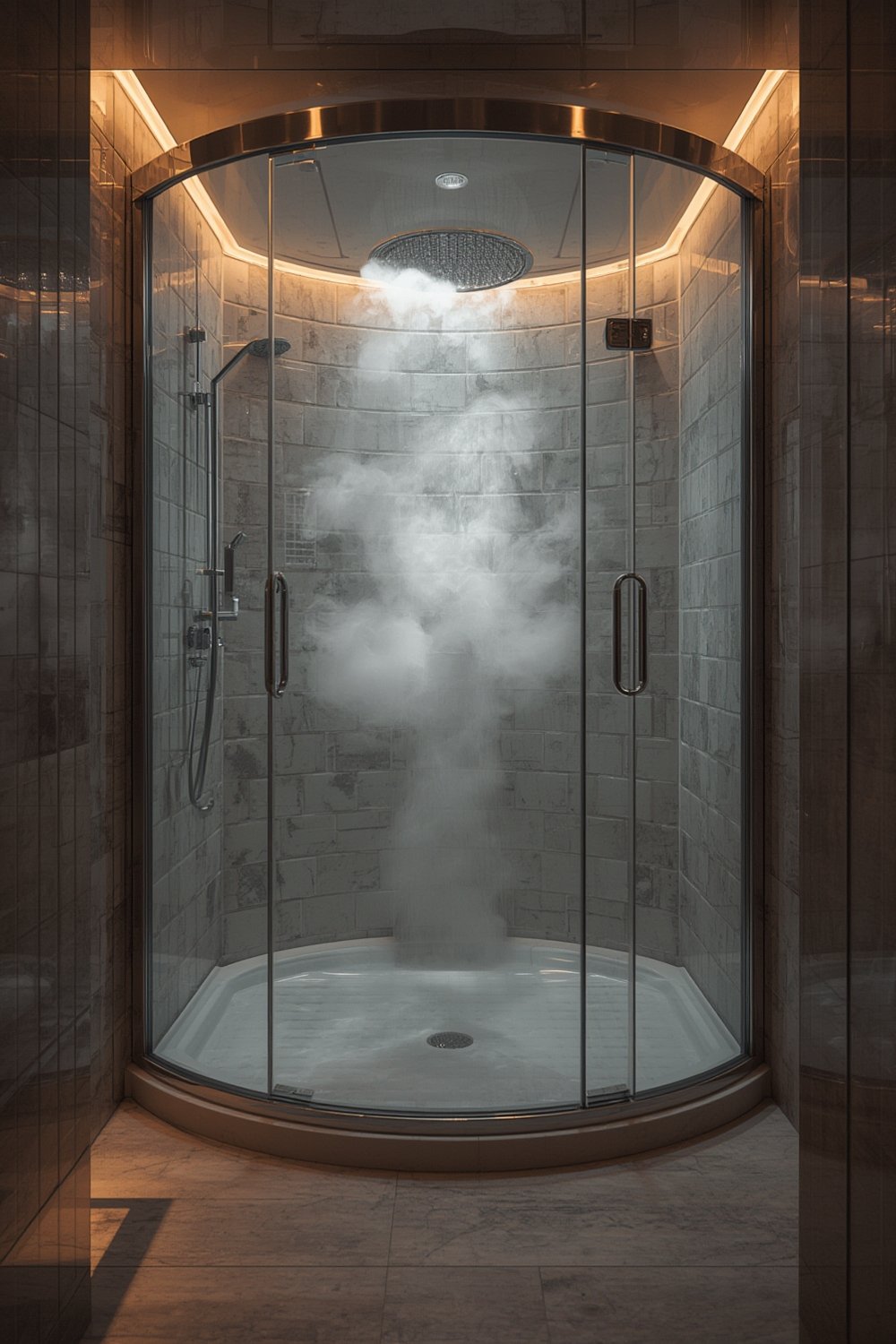
Integrating a steam shower is more involved than replacing a tile or swapping fixtures. It requires specific design space, reliable plumbing, upgraded electrical circuits, strategic ventilation, and flawless waterproofing. Done right, it transforms daily routines with a burst of luxury—but the upfront planning and precise execution are critical to avoid headaches later.
If you’re already renovating your bathroom, a steam shower can also increase resale value and make your property stand out in a competitive market. Just keep in mind: luxury features demand precise attention to detail.
Step-by-Step Guide: How to Install a Residential Steam Shower
- Assess Your Space: Steam showers need a fully enclosed area—either a dedicated shower stall or a retrofitted space. Measure height, width, and depth. Most manufacturers recommend a height under 8 feet for the best steam build-up.
- Pick a Steam Generator: Base generator size on your enclosure’s cubic footage. Oversizing wastes energy, undersizing fails to deliver enough steam. For complex bathrooms with glass walls, consult the manufacturer.
- Upgrade Electrical Service: Steam generators require a dedicated 220V electrical line. Hire a licensed electrician. Never attempt to DIY electrical for safety and code compliance.
- Waterproof the Entire Enclosure: Use vapor barriers, cement backer board, waterproof membranes, and 100% silicone sealant. Overlook this step and you risk leaks and mold growth.
- Install Proper Plumbing: The generator connects to the main water supply, and often needs a drain nearby. Follow both local plumbing codes and the manufacturer’s instructions. Add a pressure relief valve if not included.
- Ventilation Strategy: While the shower must be sealed, good bathroom ventilation is essential to prevent moisture build-up in the rest of the room. Consider a high-output exhaust fan on a timer, but never vent directly from inside the steam enclosure.
- Control Panel & Safety: Place control pads inside and outside the enclosure at convenient heights. Remote controls or smart integration are increasingly common.
- steam-rated glass doors: Use steam-rated glass doors with tight seals and high-temperature gaskets. A slight sweep at the bottom helps retain steam but allows condensation to run off.
- Test Everything: Once assembled, run water, inspect for leaks, and test the generator. Check GFCI circuits and all controls.
- Maintenance Plan: Schedule regular cleaning and generator descaling to avoid scale and prolong lifespan.
- For homes with limited space, look for steam generator models compatible with compact shower stalls. Ventless appliances can also help you reclaim space in compact bathrooms.
- Lighting upgrades, like LED chromotherapy, can transform the mood further—just be sure all electrical fixtures are steam-rated.
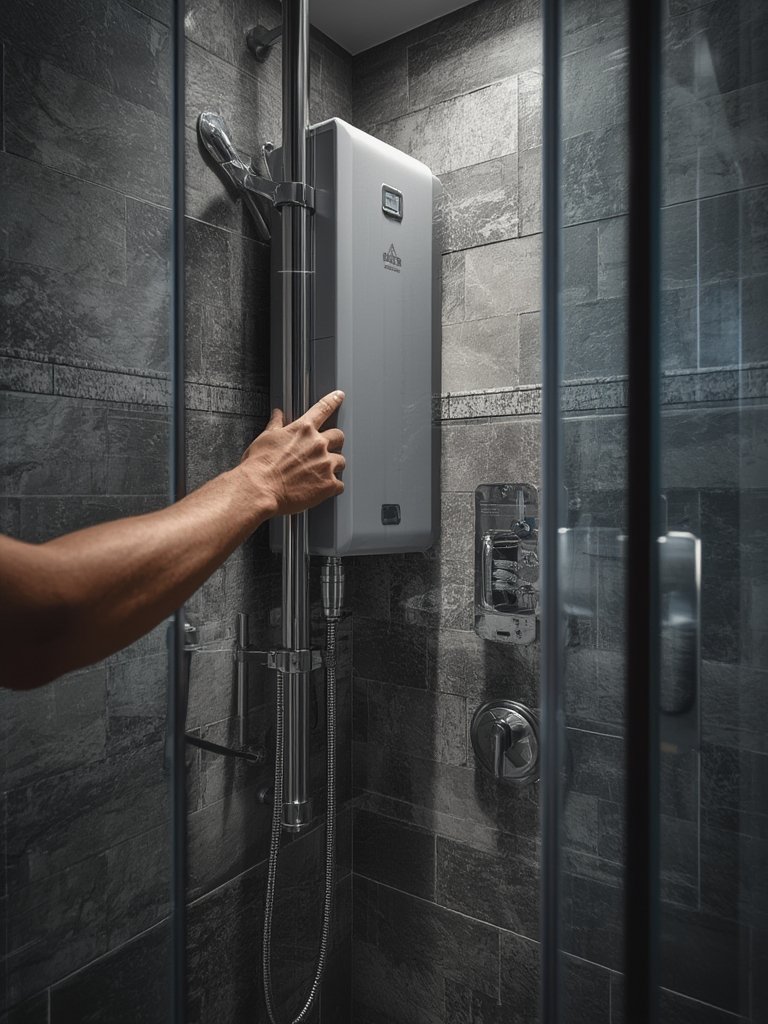
Don’t skip waterproof floor protection. Pair your enclosure with a washable rug outside to prevent slips and keep maintenance simple. Finally, sound in bathrooms can echo—consider fluted wall panels outside the enclosure to reduce noise and boost tranquility.
Advanced Analysis & Common Pitfalls
Most homeowners focus on features, but real-world steam shower installation is riddled with mistakes. Here are the most common and costly:
- Leaks & Poor Waterproofing: Using improper materials (like greenboard instead of cement board) or skipping vapor barriers leads to leaks, mold, rot, and structural damage.
- Improper Sizing: An undersized generator means weak, inconsistent steam. Oversized units waste energy and spike your power bills.
- Ventilation Blindspots: Sealing the shower completely but having poor bathroom ventilation outside leads to excessive humidity and mold elsewhere. The steam shower must be sealed, but the room needs robust airflow.
- Electrical Non-Compliance: Attempting DIY wiring is a leading cause of project delays and unsafe installations. Steam generators often trip breakers if wired incorrectly.
- Skipping Permits: Unpermitted work can cause insurance issues and complicate home resale.
| Potential Issue | Risk | Prevention |
|---|---|---|
| Leaks & Water Damage | Mold, rot, expensive repairs | Use vapor barriers & sealants; professional installation |
| Insufficient Steam | Poor user experience | Accurate generator sizing; consider enclosure volume |
| Electrical Issues | Shock, fire, code fines | Licensed electrician; GFCI circuits |
| High Humidity Outside Shower | Bathroom mold, stuffiness | High-output bath exhaust fan; timer control |
| DIY Permitting Lapses | Insurance void, resale reduction | Always pull permits; document work |
Costs are rarely one-size-fits-all. The enclosure, generator, additional electrical, waterproofing, and labor can quickly add up. While no complete itemized cost breakdown is available in market research, expect to budget several thousand dollars for a high-quality installation—plus extra for premium features like aromatherapy and chromotherapy. Not sure what brand to buy? Installation timeframes and warranties vary, so investigate each manufacturer carefully and don’t expect “plug and play” simplicity.
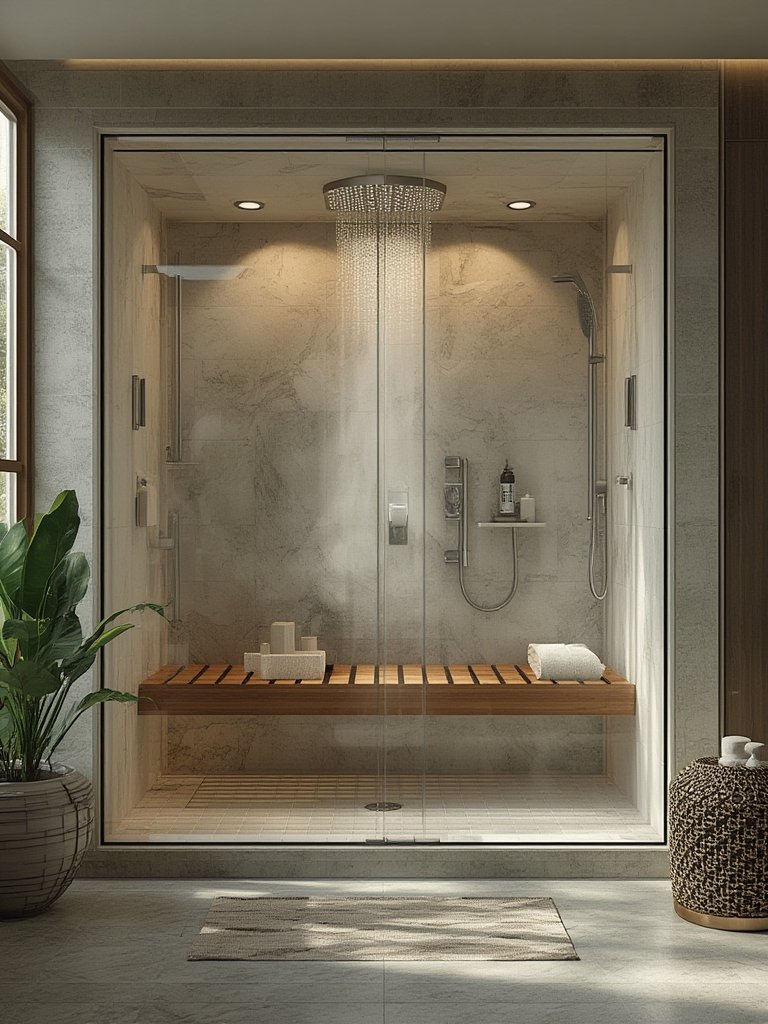
Conclusion
Done right, steam shower installation delivers a luxury spa atmosphere right at home. With market growth expected to remain strong for years, now is an excellent time to consider this upgrade—if you take care to plan, use best practices, and avoid common pitfalls. Remember: waterproofing, permits, and electrical work are not places to cut corners. Ready to experience the benefits of a steam shower? Don’t wait—turn your next bathroom remodel into a five-star retreat. For more ways to make your home efficient and comfortable, check our tips on durable waterproof flooring and energy-saving appliances. Start planning your steam shower installation today for lasting value and daily indulgence.
FAQ
How much space do I need for a steam shower?
Most manufacturers recommend a shower stall between 3′ x 3′ and 5′ x 5′, with ceilings under 8 feet for optimal steam. Custom builds can be larger, but require precise generator sizing and extra waterproofing.
Do steam showers cause mold problems?
Not if installed correctly. Proper use of vapor barriers, sealed doors, and adequate bathroom ventilation prevents mold and mildew. Regular cleaning is also essential to prevent buildup.
Can I install a steam shower myself?
Some advanced DIYers can manage the project, but hiring licensed professionals for electrical and plumbing is strongly recommended due to code requirements and safety risks.
What ongoing maintenance does a steam shower need?
Periodic cleaning, regular generator descaling, and monthly inspection of seals and gaskets are crucial. Hard water may require more frequent maintenance to avoid mineral buildup.
Are there energy-saving options for steam showers?
Yes. Choose a right-sized generator and pair with a heat pump water heater to reduce energy use. App-based control panels can also optimize cycle lengths and avoid unnecessary steam cycles.
—